
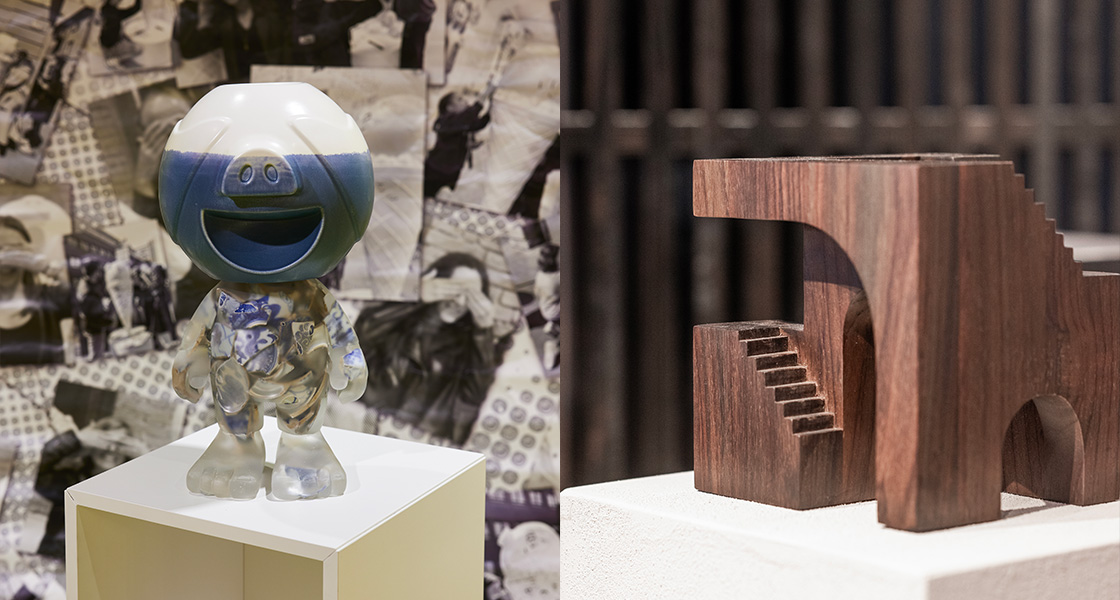
For decades, the worlds of art and design existed in separate spheres. Art was for contemplation, displayed in galleries and collected for its cultural significance. Design was for use, displayed in showrooms and purchased for its function. That boundary has dissolved. In its place stands a new category: collectible design, unique or limited-edition functional objects sold, valued, and collected like art.
This is not a niche trend. It is a rapidly maturing asset class with dedicated fairs, gallery representation, and auction results that rival contemporary art. For designers, it represents new creative and commercial territory. For collectors, it offers a tangible entry point into the art market with the added intimacy of daily use.
What Is Collectible Design?
Collectible design refers to functional works (furniture, lighting, decorative objects) produced as unique pieces or in very limited editions. Unlike mass-produced design, these objects are created through intensive craftsmanship, often by the designer’s own hand or in close collaboration with master artisans .
The distinction matters:
| Mass-Market Design | Collectible Design |
|---|---|
| Produced in unlimited quantities | Unique or limited editions (often 3–25 pieces) |
| Sold through retail channels | Sold through galleries and auction houses |
| Value tied to utility and brand | Value tied to authorship, rarity, and provenance |
| Designed for replication | Designed for expression |
As Gemma Riberti, director of interiors at trend forecaster WGSN, puts it: “Designers are going into more art-led opportunities; it’s about collecting something that feels more special, more unique” .
Market Signals: The Numbers Tell the Story
The financial case for collectible design is no longer speculative. Auction results and market data confirm its arrival as a serious investment category.
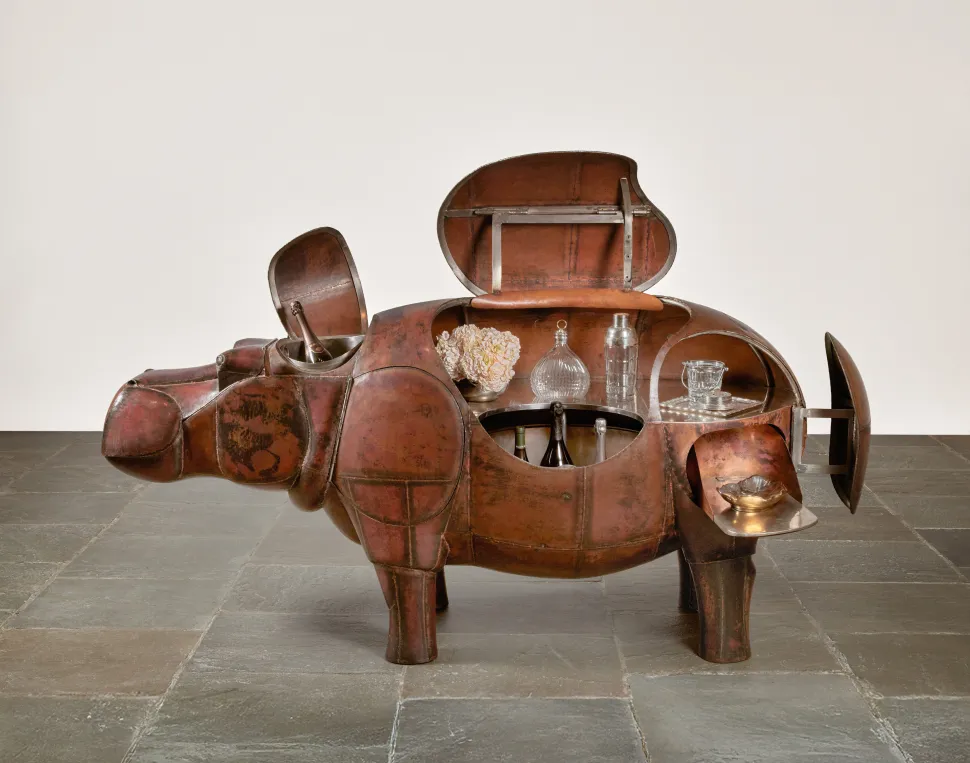
In December 2025, a one-of-a-kind François-Xavier Lalanne Hippopotame Bar sold for $31.4 million at Sotheby’s after competitive bidding, a result that would have been unthinkable for a functional object just a decade ago . This is not an isolated outlier. According to ArtTactic, the design and decorative arts category grew by 20.4% year-over-year in the first half of 2025, outpacing several traditional fine art segments .
Sotheby’s reported that sales of 20th-century design surpassed $75 million in a single season, signaling institutional confidence in the category .
Who Is Driving the Market?
The profile of the collectible design buyer is shifting. According to the Art Basel and UBS Survey of Global Collecting, growth in this sector is being led by younger collectors and women . Their approach is distinctly different from previous generations:
- Values-driven: Emphasis on education, sustainability, and cultural resonance
- Experiential: Collecting tied to discovery, fairs, and community
- Stewardship-oriented: Focus on preservation and long-term legacy
This aligns with broader cultural shifts. Dentsu Creative’s 2026 trends report found that 70% of respondents believe modern life is so stressful they need to escape, and 63% find joy in cute products and packaging . Collectible design offers a form of tactile, meaningful engagement in an increasingly digital world.
The Institutional Validation: Salone Raritas
The most significant validation of collectible design as a market category comes from Milan. For its 64th edition (April 2026), Salone del Mobile is launching Salone Raritas, a dedicated platform for collectible design within the world’s most important furniture fair .
Curated by Annalisa Rosso with scenography by the acclaimed design duo Formafantasma, Salone Raritas will occupy Pavilions 9-11 at Fiera Milano Rho. Its mission is to bridge “highly-skilled creative production and the contemporary design market” .
Maria Porro, President of Salone del Mobile, explains: “Salone Raritas was born of an awareness that is also a responsibility, which is to read the evolution of the international market and provide a response consistent with the identity of the Salone del Mobile.Milano” .
Formafantasma’s exhibition design, conceived as a “large architectural lantern”, will provide a contemplative setting where limited editions, unique pieces, antiques, and fine craftsmanship coexist . The message is clear: collectible design has moved from the periphery to the center.
The Gallery Ecosystem: Where Discovery Happens
Beyond the fairs, a new wave of galleries is nurturing the category. In East London alone, three galleries have emerged as leaders:
Béton Brut, founded by Sophie Pearce, moved from sourcing vintage furniture into contemporary collectible design in 2022. Pearce believes smaller galleries offer something larger institutions cannot: “There is definitely an excitement around discovery and discovering the next talent. As a smaller gallery, there is a sort of dynamism where you can work together with the designer quite quickly” .
Spazio Leone, founded by Gennaro Leone, combines vintage furniture with specially commissioned one-off pieces. Leone sees galleries as alternatives to brand collaborations, which he believes have become less experimental over time .
Max Radford Gallery often marks the first physical shows for emerging designers. Radford observes a generational shift: “With the sort of generation of people who are now in their early 30s and below, it’s more of a DIY and sharing culture across design” .
Why Collectors Buy: Beyond Investment
The appeal of collectible design extends beyond financial return. Several factors drive demand:
The Narrative Factor
Design galleries excel at storytelling, the material origins, the collaboration, the maker’s hand. “I think people care about the stories,” says Riberti. “With a lot of brands it’s just product, product, product, but beyond the aesthetic, what do you have?” .
The Usability Factor
Designer Grace Prince, whose work has been shown at Béton Brut, points to a unique advantage over fine art: “Collectible design touches closer to the art world than product design, and I think it excites people that there is the possibility to be able to live with an art object that can be used, and that is more affordable and accessible than owning art” .
The Personalization Factor
In an era of social media saturation, uniqueness has become a luxury. “You see everything on social media so much that you feel like everyone is already doing it, everyone has already seen it,” Riberti observes. Collectible design offers an antidote, pieces that cannot be replicated or mass-consumed .
Emerging Markets: China’s Growing Appetite
The category is gaining traction globally, with China representing a significant frontier. At Shanghai’s design /delight 2025, a hybrid platform between design exhibition and art market, the central question was explicit: Can collectible design become a real market in China? .
Most works at the fair were priced between 10,000 and 100,000 yuan (US$1,400–14,000), with large one-offs reaching up to 500,000 yuan, a range between luxury furniture and entry-level art .
Chinese designers see opportunity in the category’s unfamiliarity. Ellen Hu, founder of Haus of Hu, notes: “Our design culture is still evolving, still searching for a language that feels entirely our own. We have the freedom to redefine what Chinese design can be – to build a new narrative grounded in our philosophy, materiality, and sensibility” .
For collectors, the educational gap remains. As Shanghai-based collector Chen Damin explains: “Many people still think design should be usable. They often ask, ‘Why would I pay for a chair that is not usable?’ For collectible design, we’re still at the beginning” .
What Collectors Need to Know: Stewardship and Risk
As collectible design gains financial significance, so does the responsibility of ownership. Risk Strategies, a specialist insurance firm, offers guidance for collectors entering the category :
Authentication and Provenance
Buy through reputable galleries, auction houses, or established dealers. Verify documentation and understand how authenticity is verified, standards vary widely across object types. The Association of Professional Art Advisors (APAA) is a valuable resource .
Condition and Care
Materials such as wood, paper, and textiles respond differently to light, humidity, and handling. Identify high-value or custom pieces before installation. Confirm whether objects are unique, limited, or replaceable, most insurance claims are for restoration costs, not replacement .
Insurance Considerations
Standard homeowners’ policies often overlook the unique risks associated with collectible design. Consult a specialist broker. Consider specialized policies that cover physical loss, damage, restoration, and shipping. Review exclusions carefully, humidity, improper storage, and fading may not be covered .
Estate Planning
With nearly $1 trillion in art and collectibles expected to change hands over the next decade, planning matters . Document your collection clearly. Update appraisals to reflect current market realities. Decide disposition in advance, determine which objects to keep, sell, or transfer.
Trends to Watch in 2026
Several aesthetic currents are shaping the market:
Surrealist influences: After periods of restraint, collectors are seeking objects with unconventional forms, pieces that hint at faces, figures, or optical tricks .
Murano glass: Signed examples by makers like Venini, in simpler shapes and clear palettes, are highly sought .
1970s Scandinavian pine: Chunky, visibly grained furniture with scalloped edges and turned details, lighting and dining chairs lead demand .
Vintage textiles: Quilts, wall hangings, and tapestries valued for their history and irregularity .
The Bottom Line
Collectible design occupies a unique intersection. It offers the cultural cachet of art with the intimacy of daily use. It rewards process, patience, and material inquiry. And it provides designers with a platform for experimentation that mass production cannot accommodate.
For collectors, the category represents an opportunity to acquire works that are both personally meaningful and financially sound, objects that may appreciate in value while being lived with and loved.
As the market matures, with dedicated fairs, institutional validation, and growing collector education, collectible design is no longer a curiosity. It is a legitimate, dynamic asset class at the intersection of art and commerce.
For designers seeking to enter the category, the path is clear: build relationships with galleries, document your process, and create work that tells a story. For collectors, the advice is equally straightforward: buy what you love, from reputable sources, and care for it well.
About the Author

Peter Makeshoff
Peter Makeshoff is the founder and main author of Designer Daily.