
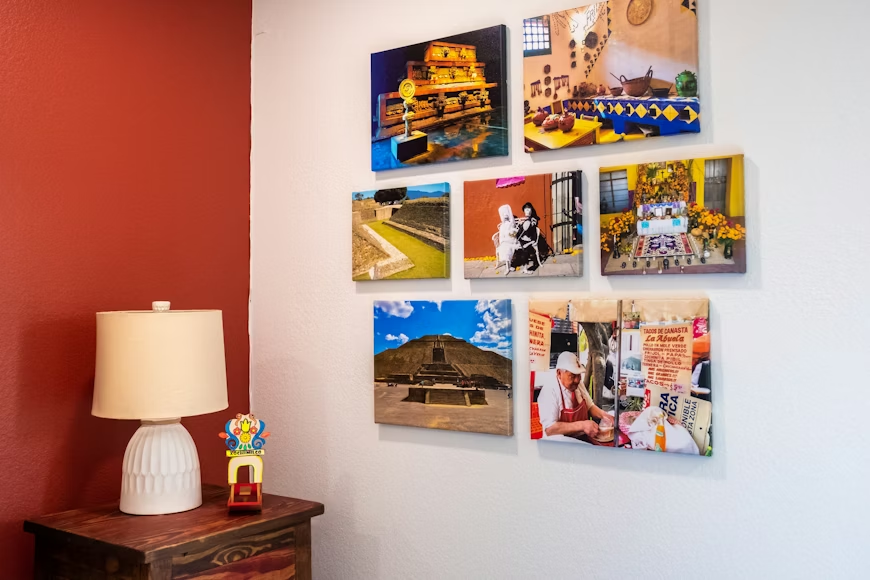
Home galleries rank among the most underused methods of collection displays. They make your home feel special and everyday life an insider tour at the museum.
And here’s the thing…
Many homeowners do it wrong. Pictures on a wall, collectables jammed onto a shelf and cross fingers.
Museum curators know better. They have mastered display techniques and follow the principles that make every exhibition unforgettable.
In This Blog Post, We Will Take a Close Look At:
- Why Museum Curation Principles Matter At Home
- The Advantages of the Display Case
- Lighting Techniques Used by Museum Curators
- Layout Principles that Work
Why Museum Curation Principles Matter at Home
In 2024, the global wall art market alone is expected to be worth $63.61 billion. More than ever, people are buying art and collectables to enhance their living spaces.
Buying stunning artworks or collectables is only half the equation.
Displaying them properly is the other.
Museum curators have studied for years how to present objects to attract attention, showcase beauty and preserve valuables. All these principles can be easily applied at home.
The first rule in curation is to contain.
Professional museums utilize museum vitrine display cases in order to protect and present their most valuable pieces. Acrylic display vitrines not only create a protective barrier between your treasures and the external environment, but still allow you to see full visibility of all their beauty.
Same strategy at home, different results.
Whether your collectables include vintage watches, sports memorabilia or family heirlooms… putting them behind the right case makes all the difference.
The Display Case Advantage
Most people don’t realise that display cases…
Protect but also elevate.
The same watch on the nightstand looks ordinary. Put that same watch inside a crystal-clear acrylic vitrine. Watch it turn into the centre of attention. It becomes art.
Acrylic display vitrines offer numerous advantages over traditional glass cases:
- Lightweight and easy to move around
- Shatter-resistant and safer for kids or pets at home
- Crystal clear and no distortion or green tinting
- UV protective with some options that filter the light
Museums have been taking advantage of this technology for decades. That is why acrylic display cases dominate galleries across the globe.
The same principles work at home. Fragile ceramics, signed memorabilia, rare coins, vintage toys and so much more – they all will benefit from this enclosure.
But first, you need to choose the right case.
Lighting Techniques Used by Museum Curators
Lighting can make or break any display.
Museum curators are experts at lighting. They know that it has a dual purpose. The light reveals but also destroys.
Too much light fades colours and causes damage to the materials. Too little light and objects are invisible. Sweet spot? Requires a bit of planning.
Standard recommendation for sensitive objects and pieces range from 50 to 100 lux. Enough for people to see clearly but not cause damage overtime.
Let’s see how to apply it at home…
- Use LED light. Modern LEDs emit minimal heat and no UV radiation. They are completely safe for prolonged use near art or collectables.
- Layer the light. Ambient room light should be combined with some accent points. This creates depth and brings focus without overpowering the display.
- Avoid direct sunlight. Place your cases away from windows or use UV protection film to preserve your collectables.
- Consider internal light. Many acrylic vitrines on the market come now with LED light strips built inside. This illuminates the content from the inside, just like in professional museum showcases.
Goal? Make all objects look their best but preserve them for generations.
Layout Principles that Work
Random placing of objects is not a thing professional museum curators would ever do.
Museums create stories.
Every single museum display follows visual hierarchy. The most important piece is in the middle, at eye level. The supporting ones are distributed around it, in the other areas. Negative space helps to bring in breathing room.
Apply the same strategy at home and the result will be totally different.
It is important to start with identifying the hero piece. This can be a painting, a sculpture, or simply a key element of the collection you would like to display. Everything else should serve it.
The Rule of Threes. Grouping of any number of three items is much more pleasing to the eye. It creates the visual balance while still avoiding the cluttered look.
Change the height. It is one of the easiest ways to make your gallery visually interesting. There are many options for this, from using risers, various stands, or shelves.
Don’t forget about the spacing. When in a hurry, many people make the mistake of overcrowding items in one place. This does not work. Negative space is not wasted space. The generous space between two objects will only create more impact.
Create sightlines. Think about the way your guests will approach the display. For best results, place the most important pieces where they will be seen first.
It has been proven that 71% of collectors buy art to decorate their homes. But the right layout is what will turn decoration into gallery-worthy interior design.
Bringing It All Together
To have a proper home gallery three elements need to work together:
- Protection – with quality display cases that shield your valuables from dust, damage and UV rays.
- Illumination – with considered lighting that enhances the visual experience without causing harm.
- Composition – with thoughtful layouts that guide the eye, telling the stories behind every item.
Museums across the globe spend millions on getting these three elements just right. Home collectors can achieve professional results with absolutely no budget.
The only thing needed is a bit of intention.
Throwing items on a wall or shelves is a recipe for a cluttered mess. A place for everything and everything in its place – that is a recipe for visual impact.
The Few Common Mistakes to Avoid
There are a few things that make many people do not get the most out of their display:
- Size matters. Ignore the size of the object vs the case and it will look lost. Match the case size to the object. The showcase should be in a perfect balance with the collectable.
- Maintenance is key. Dust is the worst enemy of acrylic displays. The lack of maintenance quickly diminishes the transparency over time. A piece of microfiber cloth and mild cleaning liquid will do the trick.
- Backgrounds matter. Avoid busy backgrounds. They distract from displayed objects. Neutral background colours work best and let your collection shine.
- Labels don’t have to be fancy. Everyone visits a museum and never sees labels? Not true. Labels help to understand the story behind pieces and add a professional look to any collection. Small cards with short description works best.
- Location, location, location. Avoid placing high-value displays in high traffic areas at home. This will not only shorten the life of the display but invite accidents.
Wrapping It Up
Designing a home gallery is no rocket science.
It only requires a bit of copying what works.
Protect your valuables with a quality display case. Light it in a way museum curators do. Arrange the objects with a purpose.
In the end, these three simple steps are principles that work in any size.
The return on this investment is much higher than in most home décor improvements. Protected collectables last longer. Proper lighting will preserve the colour. Thoughtful layouts will help you to impress guests.
As a bonus, let’s quickly recap what we learned today.
- Use acrylic display vitrines to protect and elevate the display
- Apply museum lighting techniques using LEDs
- Follow the layout principles that create visual stories
- Try to avoid common mistakes that hurt the visual effect
Line between home décor and home gallery is much thinner than you think.
With the right approach and few tips borrowed from the professionals, any collection becomes museum-worthy.
Start with just one display and one display area and apply these principles. When comfortable, just expand.
That private gallery has been waiting for you all along.
About the Author

Peter Makeshoff
Peter Makeshoff is the founder and main author of Designer Daily.