
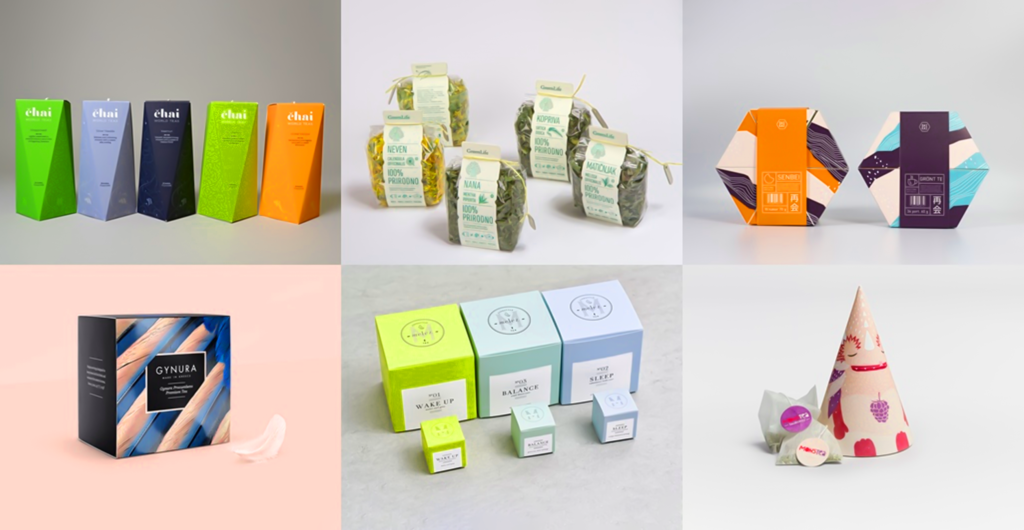
Your product’s packaging is the first physical touchpoint most customers will have with your brand. For e-commerce brands, the box is not just protection. It is a billboard, a thank-you note, and a social media moment all in one. A package that gets photographed and shared is free advertising. A package that gets thrown away without a second look is a missed opportunity.
Here is how to design e-commerce packaging that turns unboxing into marketing.
The Unboxing Experience as a Journey
Unboxing is not a single moment. It is a sequence. The customer receives a nondescript outer box. They open it. They encounter tissue paper, packing materials, inserts. Finally, they reach the product. Every step is a chance to build anticipation or deflate it.
Map this journey. What does the customer see first? What do they touch? What do they read? What do they feel? Design each layer intentionally, not as an afterthought.
The outer shipping box is often treated as purely functional. This is a mistake. A branded outer box signals that something special is inside, even before it is opened. A simple logo on the shipping box turns a brown cube into a branded artifact.
The Social Media Layer
A package that is not photographed might as well be invisible. Social media has changed packaging from a private experience to a public one. Customers photograph their orders and share them with thousands of followers. Each photo is an endorsement.
Design for the photo. A strong, graphic pattern on the inside of the box flap becomes a backdrop. A bold, colorful tissue paper contrasts with the product. A thank-you note in distinctive typography becomes a flat lay element.
The most shareable packaging has a moment of surprise. A hidden message revealed when the box is opened. A pattern that continues from the outer box to the inner tissue. A sticker that peels off and can be reapplied elsewhere. These small discoveries reward the customer for paying attention and give them something to show others.
Materials That Signal Quality
Customers cannot touch your product before buying. The packaging is the proxy for that tactile experience. Lightweight, flimsy materials suggest a lightweight, flimsy product. Sturdy, textured materials suggest quality and care.
Rigid boxes feel premium. Corrugated mailers with a clean finish feel professional. Poly mailers with custom printing feel modern but can feel cheap if the print quality is poor.
The weight of the paper matters. Thin tissue paper tears and frustrates. Thick, substantial tissue paper feels luxurious. The same logic applies to inserts, cards, and wrapping. Every material communicates something. Choose materials that communicate what you want to say.
Inserts That Add Value
Inserts are not junk. They are the final marketing touchpoint before the customer decides whether to keep or return the product. A well-designed insert can turn a one-time buyer into a repeat customer.
The best inserts are useful. A care card that explains how to maintain the product. A reorder card with a QR code that restocks the exact item. A sample of a complementary product. A sticker that the customer will actually use.
The worst inserts are purely self-congratulatory. A card that says “thank you for your purchase” with no additional value is wasted paper. Combine the thank-you with something useful. “Thank you for your purchase. Use code INSIDER10 for 10% off your next order.”
The Returns Consideration
E-commerce packaging must account for returns. A beautiful box that cannot be resealed becomes a frustration when the customer needs to send it back.
Design for two journeys. The outbound journey requires presentation and protection. The return journey requires resealability and durability. A box with a tear-away strip looks beautiful but cannot be reused. A box with a reusable adhesive strip is less elegant but more practical.
The return insert is often overlooked. A pre-printed return label included in the original package dramatically increases the likelihood that the customer will return through your channel rather than disputing the charge.
Sustainability as Marketing
Sustainability is no longer a differentiator. It is an expectation. Customers assume that e-commerce brands have considered their environmental impact. Packaging that ignores this assumption is not neutral. It is actively damaging.
Right-size the box. A small product in a large box with excessive padding signals wastefulness. Custom-sized mailers reduce material use and shipping costs while signaling attention to detail.
Choose recyclable materials over “compostable” materials unless you have verified that local facilities accept them. Many compostable mailers end up in landfills because consumers do not know how to process them.
Communicate your sustainability choices clearly. A small icon indicating that the box is recyclable is good. A sentence explaining that the tissue paper is made from recycled content is better. Customers want to feel good about their purchase. Help them.
Testing the Unboxing
Design the packaging. Then unbox it yourself. Record the experience. Where did you hesitate? What was confusing? What was delightful?
Have someone who has never seen the packaging unbox it. Watch their face. Do they smile? Do they look confused? Do they reach for their phone to take a photo? Their reactions are data.
Test the packaging under real shipping conditions. Order your own product and have it shipped to a friend. Ask them to document the unboxing. The box that arrives crushed has failed regardless of how beautiful it looked in the studio.
The Bottom Line
E-commerce packaging is marketing. Every element communicates something. The outer box says whether you care about first impressions. The tissue paper says whether you care about presentation. The inserts say whether you care about the customer after the sale. The return process says whether you care about the relationship.
Design each element with intention. Test the journey. Listen to the customer’s reaction. The box that gets photographed is the box that builds the brand. Make sure yours is worth sharing.
About the Author

Peter Makeshoff
Peter Makeshoff is the founder and main author of Designer Daily.