
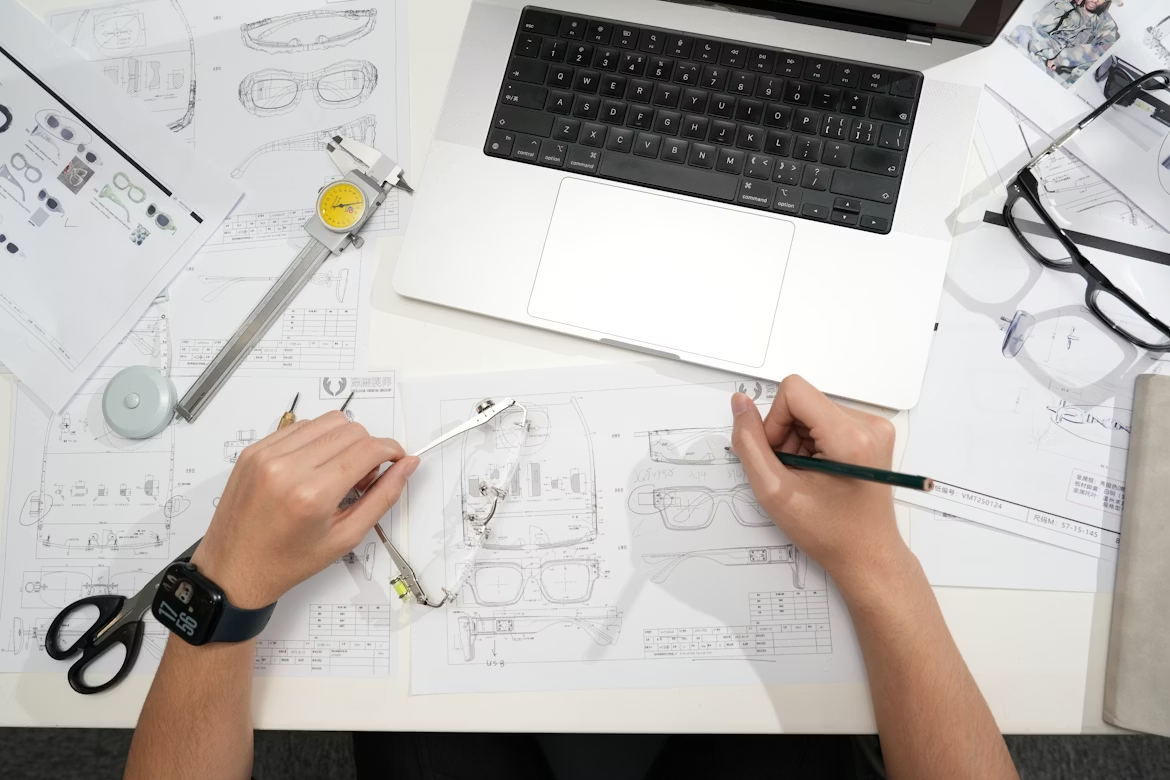
The MBO Partners’ State of Independence 2025 survey states that there are 72.9 million freelancing Americans to some capacity, representing 36-45% of the workforce.
Anyone can understand why freelancing is an attractive career. You get to pick your own hours (although it’s often more than a standard contract), you answer to yourself, and you can go to the gym at any time of day, missing the dreaded 5-7 pm rush.
The biggest issue with freelancing, however, is the lack of protection in every way. You don’t get a 401(k), you aren’t protected if you do something wrong, and the money is never really guaranteed. So, freelancers, you have to ask yourself, are you protected from the unexpected? Read on to find out.
How Freelance Designers Are Different From Salaried Employees
Employees have:
- Annual leave
- Sick pay
- Liability protection
- Pensions
Freelance designers work without any of it.
Freelancers manage:
- Their own client relationships
- Creative production
- Accounting and invoicing
- Contracts and disputes
- Equipment maintenance
- Marketing and brand positioning
Freelance designers handle everything at once. If one part collapses, their income slows down. A salaried designer can call IT to fix corrupted files. A freelancer loses two days of paid time and possibly a deadline. The biggest benefit is that businesses absorb risk for employees. But don’t let that put you off, the freedom of freelancing still outweighs the risk for most people.
What’s Unexpected for Freelance Designers?
The missed payments and late nights for freelance designers are one thing. The “unexpected” is what makes freelancing less attractive for designers who could go for salaried work.
Common issues include:
- A client refusing to pay after revisions
- A brand claiming your work infringes on licensed design rules
- A sudden equipment breakdown days before the handover
- A project cancelled midway with no compensation clause
- A design being reused or altered in a way that breaches your terms
- A defamation claim if visual branding is perceived as misleading
- A data breach where client files are leaked
And then there’s the most difficult: reputation damage. If a design launch fails publicly, the blame goes to you, not the company you work for.
How Freelance Designers Can Protect Themselves From Unexpected Issues
With all that said, freelance designers can protect themselves.
Three genuine non-negotiables are:
- Written contracts for every project
- Clear ownership and usage rights in writing
- Deposit or partial milestone payment upfront
As well as that, freelance designers can meet the following recommendations:
Suitable Insurance for Freelancers
Insurance isn’t just for agencies with 40 staff and a legal team. If anything, your freelance design business needs protection more than most. A simple professional liability policy, as Next Insurance offers, can cover claims if your design causes monetary loss, branding misalignment, or reputational damage.
Clients can easily:
- Dispute your work
- Claims breach of contract
- Insists your design misled their customers
Insurance is the fallback every freelancer needs.
Follow Copyright Laws
Freelance designers are always at risk of copyright laws. They’re either at risk because they’re breaching them or because someone has copyrighted their work. Copyright issues can cover intellectual property theft and:
- Third-party assets
- Stock imagery
- Font permissions
All it takes is one unlicensed typeface or image to create a nightmare.
Do not assume:
- Anything online is free to use.
- Creative Commons means unlimited distribution.
- A client has rights to assets they “sent over.”
You own the responsibility to verify usage rights, but clients rarely do.
Create Unique, Valuable Content
Template designs can speed up workflow, but nothing exposes freelancers to copyright claims faster than recycled visual assets. Unique work reduces legal vulnerability and increases professional value. It also helps control who owns what. When your work is original, authorship is clear. When it’s borrowed, it becomes questionable.
Clients hire freelancers to translate their brand into individuality, not familiarity. Original work solidifies that relationship and protects both sides of the contract.
Freelancing is freedom, but it is anything but protection. There are plenty of risks that mitigate the benefit of not having to get up and go into an office at 9 am. That said, there are plenty of ways freelancers can protect themselves.
About the Author
Peter Makeshoff
Peter Makeshoff is the founder and main author of Designer Daily.