
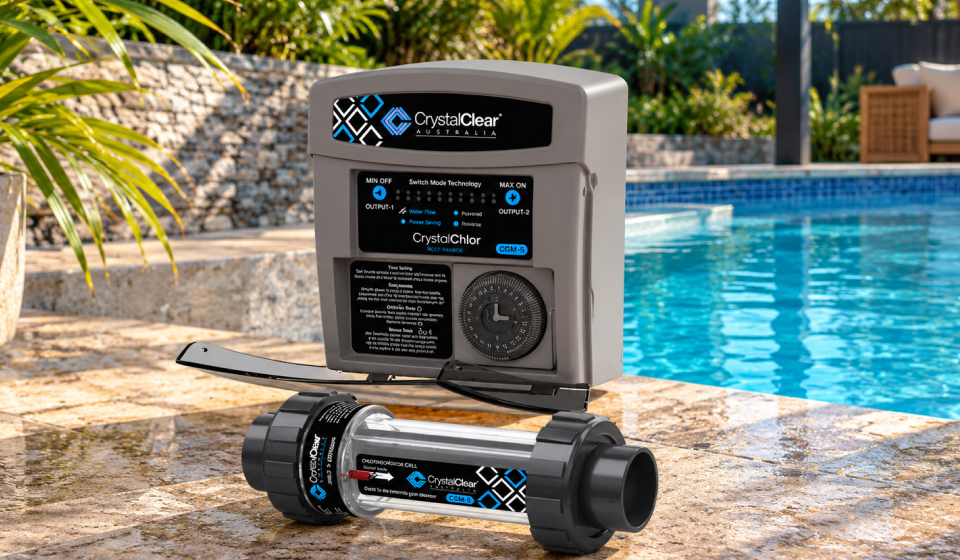
A salt water pool chlorinator helps keep pool water clean by converting dissolved salt into chlorine through an electrolytic cell. Like any pool equipment, it needs regular care to operate properly. Incorrect salt levels, unbalanced water chemistry, restricted water flow and calcium build-up can all affect chlorine production. A simple maintenance routine can help keep the system working efficiently, reduce unnecessary wear and make it easier to spot problems before they become expensive repairs.
Why Regular Salt Water Chlorinator Maintenance Matters
A salt water chlorinator works as part of the wider pool circulation and sanitation system. When the cell, pump, filter and water chemistry are properly maintained, the chlorinator can produce chlorine at the required rate.
Neglecting maintenance can lead to calcium deposits on the cell plates, reduced chlorine output and error messages from the control unit. Poor water balance may also increase scaling or place additional strain on pool equipment. Regular checks help maintain water quality while allowing potential faults to be identified early.
Salt Water Chlorinator Maintenance Tips for Better Performance
Keep the Correct Salt Level
Check the salt concentration regularly and keep it within the range specified by the chlorinator manufacturer. A level that is too low may reduce chlorine production, while excessive salt can affect equipment operation and make the water unpleasant.
Salt levels can change after heavy rainfall, backwashing, draining or adding fresh water. Testing the water after these events can help confirm that the concentration remains suitable.
Balance Pool Water Chemistry
Water chemistry has a direct effect on chlorinator performance. Test the pH, alkalinity and chlorine levels regularly and make adjustments when required.
Keeping the water balanced can help limit calcium scaling and protect the salt cell. It also supports effective sanitation and helps prevent unnecessary stress on other pool equipment.
Monitor the Salt Cell Condition
Inspect the salt cell regularly for calcium build-up, debris or signs of damage. Clean it when needed according to the manufacturer’s instructions to maintain effective chlorine production.
Check the cell during routine pool maintenance to catch build-up early. Replace the cell if it is worn or no longer producing chlorine properly.
Ensure Proper Water Flow and Circulation
A chlorinator needs sufficient water flow to operate correctly. Check that the pool pump is running properly and that the filter is not excessively dirty or blocked.
Blocked skimmer baskets, clogged filters, closed valves, or other circulation issues can reduce flow through the cell. If the chlorinator displays a low-flow warning, investigate the circulation system rather than simply increasing the chlorine output.
Adjust Chlorinator Settings and Output
Chlorinator output should match the pool’s chlorine demand. Factors such as pool size, water temperature and how frequently the pool is used can affect the amount of chlorine required.
Running the system at maximum output all the time is not necessarily the best approach. Check chlorine levels and adjust the output according to actual pool conditions and the manufacturer’s recommendations.
Monitor the Control Unit and Connections
The control unit manages the chlorinator and provides information about its operation. Check the display for warning messages and inspect visible cables, plugs and connections for signs of wear or damage.
Electrical components should be handled carefully, and any damaged wiring or repeated error messages should be checked promptly to prevent further issues.
Replace Worn Salt Cell and Components
Salt cells wear down over time, which can reduce chlorine production and affect chlorinator performance. Regular maintenance, including checking the cell for calcium build-up, monitoring salt levels and keeping the pool water balanced, can help extend its service life.
When replacing a salt cell or upgrading the chlorination system, professional installation can help ensure the equipment is fitted correctly and operates as intended. Experienced pool builders in Geelong can assist with installing suitable pool equipment and ensuring it is compatible with the existing system.
Factors That Affect Salt Water Chlorinator Performance
- Pool Size and Water Volume: Larger pools require more chlorine production, so the chlorinator should be suitable for the pool’s water volume.
- Water Temperature: Warmer water can increase chlorine demand and contribute to calcium build-up, making regular monitoring more important.
- Salt Concentration: Incorrect salt levels can affect chlorine production and the overall operation of the chlorinator.
- Pool Water Chemistry: High pH, incorrect alkalinity and unbalanced water can contribute to scaling and affect sanitation.
- Pool Usage: Frequent swimming can increase chlorine demand as more contaminants enter the water.
- Pump and Filter Performance: Poor pump performance or a blocked filter can restrict water flow and reduce chlorine production.
Conclusion
Maintaining a salt water chlorinator does not have to be complicated. Regularly checking salt levels, balancing water chemistry, inspecting the cell, maintaining good water flow and monitoring the control unit can help support reliable operation. Keeping an eye on the cell’s condition is particularly important, as cleaning or replacing it at the appropriate time can prevent a decline in chlorine production. A consistent maintenance routine can also help protect the wider pool system and keep water ready for swimming.
Frequently Asked Questions
How often should a salt water chlorinator be maintained?
A salt water chlorinator should be checked regularly to ensure it is operating properly. Water chemistry, salt levels, filtration and the cell condition should be monitored as part of routine pool care. Follow the manufacturer’s maintenance schedule for servicing intervals.
When Should a Salt Chlorinator Cell Be Cleaned?
Clean the salt cell when visible calcium deposits or other buildup are affecting its performance. Avoid cleaning it unnecessarily, as frequent cleaning can cause wear and shorten the cell’s service life. Always follow the manufacturer’s cleaning instructions.
How long does a salt water chlorinator cell usually last?
The service life of a salt cell varies depending on factors such as water chemistry, operating hours, temperature and maintenance. Manufacturer specifications provide the best indication for a particular model.
Can poor water flow affect salt chlorinator performance?
Yes. Restricted water flow can prevent the chlorinator from operating correctly and may trigger low-flow warnings. Checking the pump, filter, valves, baskets and plumbing can help identify circulation problems.
What Can Reduce the Performance of a Salt Water Chlorinator?
Low or excessive salt levels, poor water chemistry, calcium build-up, inadequate water flow, high chlorine demand and an ageing salt cell can all reduce performance. Regular testing and inspection can help identify these issues early.
About the Author

Peter Makeshoff
Peter Makeshoff is the founder and main author of Designer Daily.