
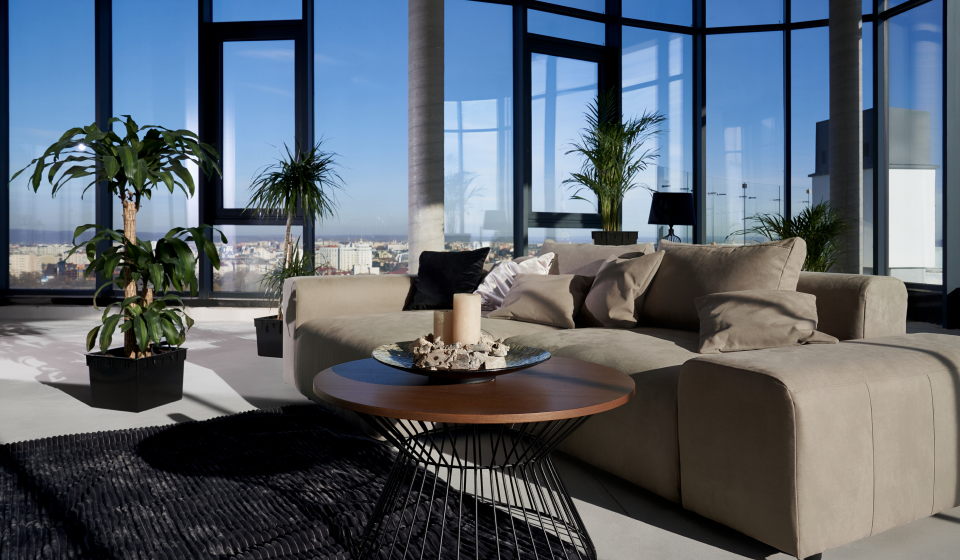
A living room needs seating that works with the way the space is used, whether that means relaxing after work, hosting friends or making room for family movie nights. A modular lounge can make those changes easier by allowing different sections to be arranged around the room. When choosing a modular lounge in Osborne Park, consider the size of the room, seating requirements, comfort, upholstery and how easily the configuration can adapt to future needs.
What Is a Modular Lounge?
A modular lounge is made up of separate seating sections that can be connected or positioned in different ways. Depending on the design, these sections may include corner pieces, armless seats, chaise sections and ottomans.
Compared with a fixed sofa, a modular design allows greater flexibility when arranging the living room. Sections can form an L-shape, a U-shape or a longer straight arrangement, depending on the room and available pieces.
Why Choose a Modular Lounge for Your Home?
Adapt the Layout to Your Space
One of the biggest advantages of modular seating is the ability to change its arrangement. A corner configuration can work well in a larger living room, while a more compact setup may suit an apartment or open-plan area.
The flexibility also helps when furniture needs to work around doorways, windows, entertainment units or walkways.
Create More Seating When Needed
Extra sections can provide additional seating when family or guests visit. Instead of relying entirely on separate chairs, a modular lounge can create a larger shared seating area.
This makes it easier to accommodate different group sizes without overcrowding the room.
Adjust the Configuration Over Time
Living room needs can change over time, whether following a renovation, a change in household requirements or a preference for a new arrangement. Modular seating allows individual sections to be moved and repositioned as needed, helping adapt the lounge without replacing the entire set.
Suit Different Living Styles
Some households prefer a large shared area for watching television, while others may want defined spaces for reading, conversation or entertaining. Modular lounges can be configured to support different activities without requiring several unrelated pieces of furniture.
How to Choose the Right Modular Lounge for Flexible Seating
Measure Your Living Room
Start with the available floor area rather than choosing a lounge based on appearance alone. Measure the room’s length and width, then check doorways, hallways and other access points.
Leave sufficient space around the lounge for easy movement, and factor in coffee tables, entertainment units, side tables and floor rugs when planning the overall room layout.
Consider Your Seating Needs
Think about how the lounge will be used each day. A household that regularly hosts guests may benefit from a larger configuration, while a smaller household may prefer fewer sections with a chaise for relaxing.
Consider whether the main priority is stretching out, watching television, socialising or providing flexible seating for visitors.
Choose a Configuration That Matches the Room
L-shaped modular lounges are useful for defining a corner or separating a living area within an open-plan space. U-shaped arrangements can provide extensive seating but generally require more floor area.
For smaller rooms, a straight configuration or compact chaise arrangement may leave more space for movement.
Think About Future Flexibility
Before purchasing, consider whether additional sections can be purchased later and whether existing pieces can be separated or reconfigured. This can be particularly useful when moving to a larger home or changing the way the room is used.
A modular lounge with interchangeable sections can provide more options over its lifespan.
Select the Right Upholstery
Upholstery should match both the room and the household’s everyday needs. Fabric can offer a broad range of colours and textures, while leather is known for its durability and easy cleaning.
For busy households, consider materials that are practical to maintain and suitable for regular use. Always check the manufacturer’s care instructions before choosing a particular finish.
Consider Comfort and Cushioning
Comfort depends on more than the appearance of the cushions. Look at seat depth, back support, cushion firmness and the overall height of the lounge.
Those who enjoy reclining may prefer deeper seats, while households that use the lounge for conversation may favour a more upright design. Testing the seating before purchase can help determine whether the cushioning provides the right level of support.
Choose a Colour and Style That Complements the Room
The lounge is often one of the largest pieces in a living room, so its colour and shape can influence the overall look. Neutral upholstery can provide greater flexibility when decorating, while a stronger colour can create a more noticeable focal point.
Consider existing flooring, wall colours, curtains and furniture before making a final decision.
How to Arrange a Modular Lounge for Better Functionality
Begin by identifying the main purpose of the living room. Position the lounge so people can communicate easily without blocking key walkways. In an open-plan home, an L-shaped arrangement can help define the living zone without adding a physical divider.
Keep enough space around coffee tables and other furniture for people to move comfortably. Floor rugs can also help define the seating area, particularly in larger open-plan rooms. A rug should be large enough to visually connect the main seating pieces without making the area feel cramped.
Try different configurations before settling on one arrangement. Even moving one section or changing the direction of a chaise can improve circulation and make the room more practical.
Conclusion
A modular lounge offers a practical way to create seating that can change with the home. From adapting the layout to accommodating guests, its separate sections provide options that a fixed sofa may not offer.
Choosing the right design starts with accurate measurements, followed by consideration of seating requirements, configuration, upholstery, cushioning and future needs. With careful planning, modular seating can become a practical part of a living room that works well for everyday life and changing occasions.
Frequently Asked Questions
Are modular lounges suitable for small living rooms?
Yes. A compact modular lounge can be a practical choice for a smaller living room when its size and configuration suit the available space. A two- or three-section design can offer comfortable seating while leaving enough room for movement.
Can modular lounges be rearranged?
Many modular lounges are designed to allow sections to be moved into different configurations. However, the exact options depend on the construction and connection system, so it is worth checking the manufacturer’s specifications before purchase.
Can modular lounge sections be added later?
Some modular lounge ranges allow additional sections to be purchased separately. Availability can vary between designs, so check whether matching modules can be added in the future before choosing a particular model.
Are modular lounges comfortable for everyday use?
Yes. Modular lounges can provide everyday comfort when the seat depth, cushioning, back support and upholstery suit the people using them. Personal preference is important, so testing the lounge before purchase is recommended where possible.
How do you measure a room for a modular lounge?
Measure the length and width of the available area, then measure doorways, hallways and other access points the lounge must pass through. Mark the proposed lounge dimensions on the floor with masking tape to check walking space and ensure nearby furniture can still be used comfortably.
About the Author

Peter Makeshoff
Peter Makeshoff is the founder and main author of Designer Daily.