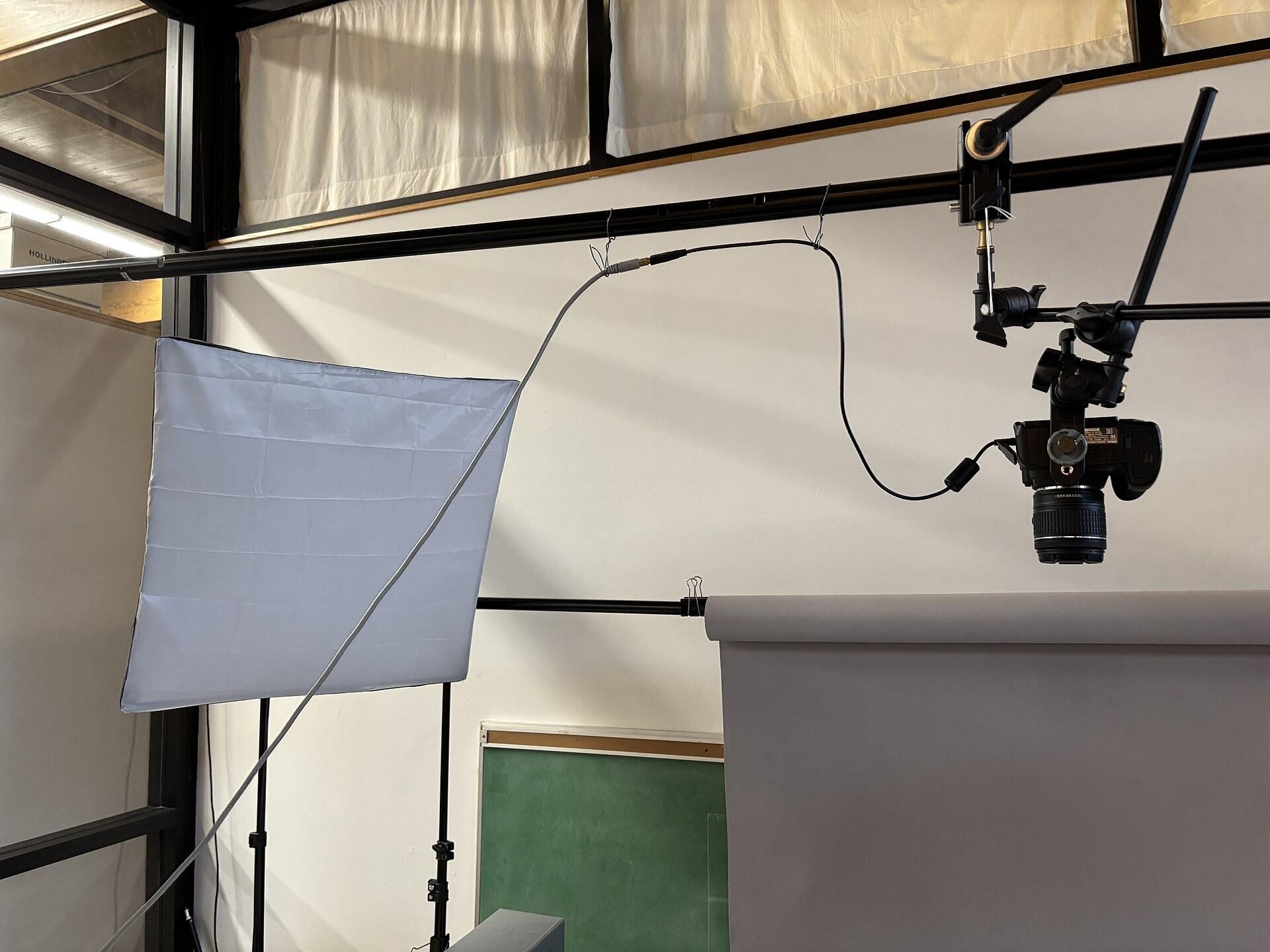
Designers do far more than work on screens. Brand identity projects often end with photo shoots of business cards, packaging and stationery. Product designers need studio-quality images of prototypes. Agencies present work to clients on large displays, in meeting rooms or at pitch events. All of this requires equipment: cameras, lenses, lighting, backdrops, projectors and screens.
Few design studios own a complete photo studio or AV setup. Renting gear when you need it is often the smartest option. This guide covers what designers commonly rent, how to plan shoots and presentations and tips for getting professional results.
Why Designers Rent Gear
- Occasional use: many studios shoot or present a few times a month at most.
- High cost: professional cameras, lenses and lighting are expensive.
- Rapid change: camera and display technology evolves quickly.
- Project variety: different projects need different setups.
- Space: small studios rarely have room for permanent sets.
Gear Commonly Rented for Design Shoots
Cameras and lenses
- Full-frame or medium format cameras for high-resolution images
- Macro lenses for close-up details like embossing, foil and texture
- Tilt-shift lenses for perspective control in product and architectural shots
Lighting
- Strobes or continuous LED lights
- Softboxes and diffusers for soft, even light
- Reflectors and flags for shaping light
Support and backdrops
- Tripods and copy stands for flat-lay shots
- Seamless paper or vinyl backdrops
- Shooting tables and light tents
Tethering and capture
- Tethering cables and laptops for real-time review
- Colour calibration targets
Showcasing Print and Stationery Work
Business cards, letterheads and packaging are some of the most popular items in design portfolios. Capturing details like paper texture, letterpress depth and foil reflections requires careful lighting and macro photography. For inspiration, the BaristaLab business cards feature is a good example of how thoughtful photography brings print design to life.
Gear for Client Presentations
Displays
- Large monitors or LED screens for presenting work
- Projectors and screens for larger rooms
- Colour-accurate displays for critical reviews
Audio and connectivity
- Wireless presentation systems
- Microphones and speakers for larger audiences
- Video conferencing equipment for remote clients
Physical presentation
- Display stands and easels for printed boards
- Lighting to showcase physical samples
Designing for the Viewer
Whether presenting on screen or in print, usability principles matter. Research from the Nielsen Norman Group on visual hierarchy, readability and attention applies directly to how designers present work to clients. Clear structure and focused visuals help clients understand and approve concepts faster.
Planning a Shoot
- Define the shot list: what items, angles and details are needed.
- Choose a style: clean white background, styled flat-lay or lifestyle scene.
- Book gear early, especially for busy periods.
- Test lighting before the shoot day if possible.
- Prepare props and samples, ensuring items are clean and undamaged.
- Shoot tethered to review images in real time.
- Back up files immediately.
Choosing a Rental House
Look for rental companies that:
- Offer well-maintained, current equipment
- Provide clear pricing and flexible rental periods
- Have knowledgeable staff who can recommend setups
- Offer delivery or convenient pickup
- Let you check availability and book online
Well-organised rental houses typically run on studio gear rental software that tracks every item, its condition and booking history. That organisation means gear arrives complete, tested and on time.
Budget Tips
- Rent packages that bundle camera, lenses and lighting.
- Book weekend rates, which often cover multiple days for the price of one.
- Combine shoots for several projects into one rental period.
- Share rentals with other designers or studios.
- Return gear on time to avoid extra fees.
Building In-House Capability Over Time
As your studio grows, track how often you rent each item. If a specific lens or light is rented every month, buying may become more cost-effective. Many studios build a small core kit and rent specialist items as needed.
Frequently Asked Questions
Does rental help with sustainability?
Rental keeps equipment in use for longer and reduces the number of items that are bought, used briefly and stored or thrown away. Well-maintained rental fleets also allow customers to access newer, more efficient models without each business buying its own.
What should a rental agreement include?
A clear agreement should cover the rental period, rates and deposits, who is responsible for damage and loss, permitted use, insurance requirements, late return charges, cancellation terms and the condition of the equipment at handover. Signed digital agreements with photos attached make disputes much easier to resolve.
How often should rental equipment be serviced?
It depends on the equipment and the manufacturer’s guidance, but most rental items should be checked after every hire and serviced on a schedule based on hours, mileage or rental days. Removing faulty items from availability immediately prevents breakdowns on customer sites.
How can rental companies reduce damage costs?
Clear operating instructions, short handover briefings, condition photos, deposits and optional damage waivers all help. Tracking damage by customer and equipment type also reveals patterns, such as items that need better protective cases or customers who need extra guidance.
Conclusion
Renting studio and presentation gear gives designers access to professional equipment without large investments or storage headaches. Plan shoots carefully, choose reliable rental houses and focus on showcasing the details that make your work special. With the right gear for each project, your portfolio and presentations can look as good as your designs.
About the Author
Peter Makeshoff
Peter Makeshoff is the founder and main author of Designer Daily.