
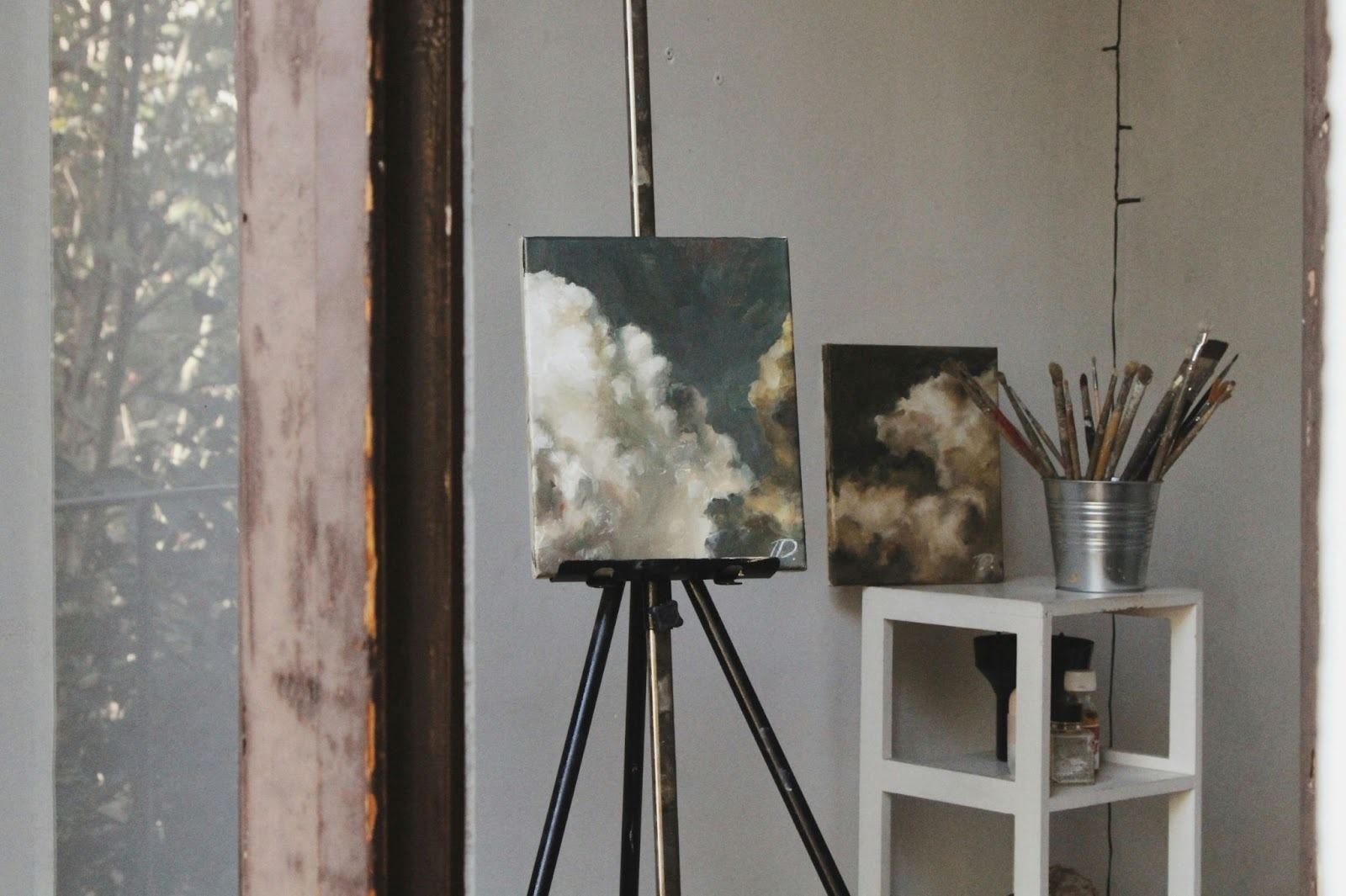
Art has always reflected how people relate to resources, time, and meaning. From early pigments ground by hand to contemporary studio practices, creative work mirrors broader social habits. In recent years, questions around sustainability have entered artistic conversations with growing urgency. Viewers now look beyond surface appeal, asking how art is made, what materials shape it, and how long it is meant to last. Creative expression still thrives, yet expectations have shifted. Disposable visuals no longer satisfy audiences seeking depth and accountability.
Sustainable art and design explore whether imagination can flourish while respecting material limits and human labor. This approach does not restrict creativity; it reframes it. When artists and collectors slow their pace and reflect on choices, art regains its power to communicate meaning rather than excess, building cultural value that extends well beyond the moment of creation.
Rethinking Materials and Artistic Processes
Artistic practice begins with materials. Long before a piece reaches a wall or gallery, decisions around tools, surfaces, and methods shape both creative direction and environmental impact. Sustainable processes value restraint, clarity, and thoughtful preparation. This shift does not demand abandonment of tradition or technique. Instead, it restores focus on longevity and purpose.
Artists who work with care understand that materials carry stories of sourcing, labor, and intention. When those stories align with ethical awareness, the work gains quiet strength. Creative processes rooted in patience often produce pieces that invite repeated engagement rather than brief attention.
Quality Over Quantity in Creative Tools
Material excess often results from rushed workflows. Thoughtful selection reduces waste while supporting deeper engagement.
- Durable supplies: Long-lasting tools support extended practice rather than frequent replacement
- Intentional preparation: Clear planning limits discarded materials
- Respect for craft: High standards reinforce commitment to skill
Within this framework, premium painting kits reflect a return to structured, mindful creation. Their emphasis on quality materials and guided pacing supports focused work rather than hurried output, encouraging artists to invest time rather than accumulate unfinished attempts.
Process as an Ethical Statement
How art is created communicates values as clearly as the finished piece.
- Slower production rhythms: Time allows ideas to mature naturally
- Skill development: Repetition builds confidence and consistency
- Material awareness: Each choice reflects responsibility toward resources
Sustainable processes invite artists to reconnect with foundational practices, reinforcing care at every stage of creation.
Ethical Design in Art Display and Living Spaces
Art continues its ethical journey once it enters a living environment. Display choices influence how long a piece remains relevant and how it interacts with daily life. Thoughtful design avoids treating art as temporary decoration. Instead, it becomes part of a shared visual language between space and viewer. Ethical display respects scale, form, and durability, favoring pieces that evolve with their surroundings. When art integrates seamlessly into living spaces, it reduces the impulse for constant replacement and supports lasting connections.
Form, Depth, and Longevity
Dimensional art encourages sustained interaction through physical presence.
- Shifting perception: Depth changes with light and movement
- Tactile appeal: Texture invites closer attention
- Spatial balance: Three-dimensional form interacts with architecture
In this context, unique 3d wall art demonstrates how ethical design merges visual interest with durability. Its layered structure creates engagement without relying on novelty, supporting long-term placement rather than short-term display.
Display as Care, Not Consumption
Ethical art displays values of harmony over volume.
- Thoughtful spacing: Art benefits from room to breathe
- Stable placement: Pieces remain relevant across changing interiors
- Emotional continuity: Art grows familiar rather than fading
Living spaces shaped by such choices reflect respect for both art and environment.
The Responsibility of Artists and Art Collectors
Sustainable creativity relies on shared accountability. Artists shape production practices, while collectors influence demand. When both parties value intention, ethical standards gain strength. Responsible collecting shifts focus away from accumulation and status. It emphasizes connection, story, and durability. Collectors become caretakers rather than consumers, supporting practices that respect time and labor. This partnership encourages artistic ecosystems grounded in mutual respect rather than exploitation.
Collecting With Awareness
Ethical collecting centers on understanding rather than impulse.
- Attention to origin: Knowledge of process deepens appreciation
- Support for craftsmanship: Skill and effort receive recognition
- Long-term relevance: Pieces retain meaning beyond trends
Stewardship Through Display
Ownership carries responsibility long after acquisition.
- Careful placement: Art remains protected and visible
- Maintenance over replacement: Preservation replaces disposability
- Ongoing engagement: Meaning deepens through familiarity
Such practices strengthen cultural value while reducing unnecessary consumption.
Conclusion
Sustainable art and design demonstrate that creativity thrives within thoughtful boundaries. When materials, processes, and display choices align with awareness, art gains durability and meaning. Responsible creation and collecting slows the cycle of excess, allowing work to mature alongside its audience. Ethical creativity does not restrict expression; it refines it. Through patience, care, and shared responsibility, art continues to inspire without drawing from exploitation, reinforcing its role as a lasting reflection of human values.
About the Author

Peter Makeshoff
Peter Makeshoff is the founder and main author of Designer Daily.