
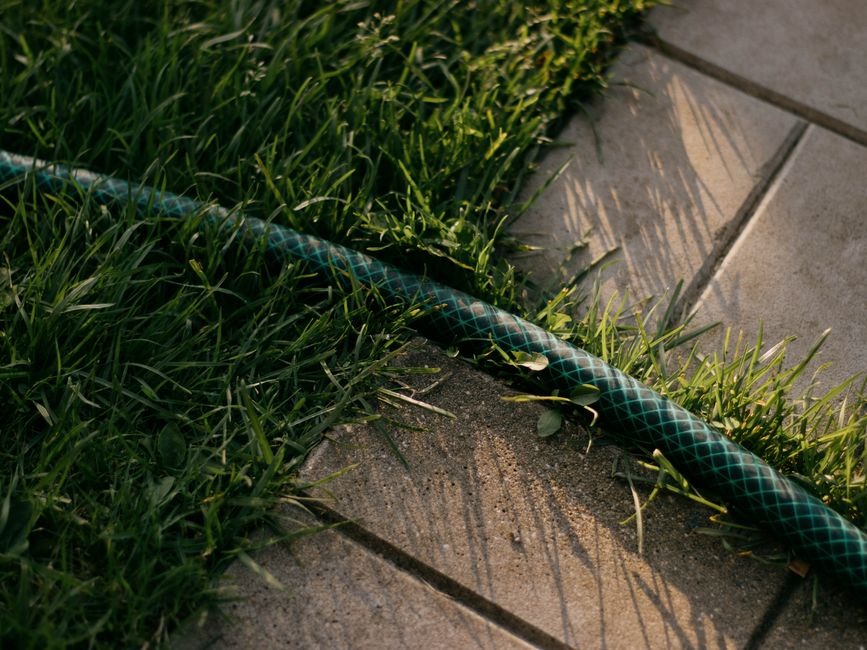
A well-designed home is shaped by more than its furniture, lighting, and color palette. The condition of the surrounding landscape can influence how an interior looks, feels, and functions over time. Water management, drainage, and the health of outdoor spaces all play a role in protecting a property’s materials and maintaining its overall appearance. According to the U.S. Environmental Protection Agency, residential outdoor water use across the country accounts for nearly 8 billion gallons daily, primarily for landscape irrigation. This highlights how much water flows through the spaces surrounding our homes—and why thoughtful planning matters.
Great Interior Design Begins Outside
Interior design is often treated as a separate discipline from landscaping, but the two are closely connected. The garden, pathways, exterior walls, and entrance establish the setting for everything inside. When these elements work together, a home feels cohesive rather than like a collection of unrelated design choices.
Consider a house with carefully selected flooring, beautifully finished walls, and expensive furnishings. If the entrance is surrounded by muddy patches, uneven paving, or struggling plants, the overall impression can feel incomplete. The same applies when water collects near doorways or leaves persistent dampness around exterior walls.
A thoughtful design process considers these details early. Landscape planning, surface drainage, and irrigation should complement the property’s architecture rather than compete with it. This coordination can help preserve exterior finishes while creating a more inviting transition from the outdoors to the interior.
Moisture Control Protects Materials and Finishes
Water is essential for maintaining healthy plants, but poorly managed irrigation can create problems around a home. Excessive watering may leave soil saturated, encourage water to collect near foundations, or send moisture toward entrances and exterior walls. Over time, these conditions can affect paint, wood, masonry, and other building materials.
Inside, moisture-related problems may appear as peeling finishes, musty odors, damaged trim, or flooring that begins to warp. Not every indoor moisture issue originates outdoors, but irrigation and drainage are worth checking when problems occur near exterior walls or ground-level entrances.
A useful starting point is to inspect the property after the irrigation system runs. Look for puddles, unusually wet soil, water hitting walls, or sprinklers spraying paved surfaces. These signs can indicate that the system needs adjustment or repair.
When damaged components or uneven water distribution are responsible, addressing the issue early may prevent waste and reduce the risk of avoidable property damage. Homeowners researching sprinkler repair services can use that step as part of a broader effort to keep outdoor systems functioning properly. The goal is not simply to maintain green grass, but to deliver water where it is needed without creating problems elsewhere.
Entryways Reveal Whether the Design Works
The entrance sets expectations for the rest of a home. A clean pathway, healthy planting, balanced lighting, and a well-maintained doorway create a welcoming first impression. These features also need to function properly in everyday conditions.
For example, a sprinkler that regularly sprays a walkway can leave surfaces wet, encourage staining, and make an entrance inconvenient to use. Water collecting beside steps or near a threshold may also create slipping hazards. Even small maintenance issues can undermine an otherwise attractive design.
The solution begins with coordinating irrigation zones with the property’s layout. Sprinkler heads should direct water toward planting areas, while paved paths and entrances remain as dry as practical. Plant selection matters, too: grouping plants with similar watering needs can make irrigation easier to manage.
For additional guidance, the U.S. Environmental Protection Agency’s watering tips for efficient irrigation explain practical ways to adjust watering schedules, inspect equipment, and keep water on the landscape rather than pavement.
These details may not be the most noticeable part of a design plan, but they contribute to a home that looks polished and remains comfortable to use.
Indoor-Outdoor Design Needs a Shared Plan
Modern homes often blur the boundaries between indoor and outdoor living. Large windows, sliding doors, patios, and garden-facing living areas make the landscape feel like an extension of the interior. This connection can create a sense of openness, bring natural views into everyday spaces, and make smaller rooms feel more expansive.
However, the effect depends on the condition of the outdoor environment. A beautiful view can lose its appeal when the lawn is patchy, plants are struggling, or water repeatedly splashes against glass and exterior finishes. Poor drainage can also make patios and adjacent rooms feel less connected to the landscape because the outdoor area becomes difficult to enjoy.
Designers and homeowners can avoid these problems by coordinating planting, irrigation, drainage, and exterior materials before construction or renovation is complete. The placement of sprinkler heads should account for windows, seating areas, walkways, and outdoor furniture. Watering schedules should reflect plant needs and weather conditions instead of following an inflexible routine.
This approach makes the landscape more than a decorative backdrop. It becomes a functional part of the home’s overall design.
Hidden Maintenance Costs Can Affect Renovation Budgets
Renovation budgets often prioritize visible upgrades, including cabinetry, flooring, lighting, and decorative finishes. Outdoor systems may receive less attention because their problems are not always obvious during an initial walkthrough.
Yet overlooking irrigation can lead to recurring expenses. A leaking sprinkler line may waste water, while a blocked or misaligned head can leave some plants dry and others oversaturated. If excess water reaches building materials, repairs may extend beyond the irrigation system itself.
Including a basic irrigation inspection in renovation planning can help identify these concerns before new finishes are installed. It is also sensible to check drainage patterns, examine areas near the foundation, and confirm that watering zones suit the existing planting.
The U.S. Environmental Protection Agency’s water-use statistics and conservation guidance provide further context on household water waste and the potential benefits of more efficient irrigation equipment.
These checks do not need to turn a renovation into a complicated engineering project. They simply ensure that the property’s underlying systems receive attention alongside its visible improvements.
A Beautiful Home Feels Intentional From Every Angle
A successful home design is not defined by interior finishes alone. It comes from the way every part of the property supports the others, from the entrance and garden to the rooms where people spend their time.
Thoughtful irrigation helps maintain healthy planting, limits unnecessary water waste, and reduces the chance of moisture-related issues around the home. When paired with appropriate drainage and well-planned landscaping, it supports a cleaner, more cohesive living environment.
The most effective design decisions often address practical needs before they become visible problems. By treating outdoor water management as part of the wider design process, homeowners can protect their investment and create spaces that look considered, function comfortably, and remain appealing over time.
About the Author

Peter Makeshoff
Peter Makeshoff is the founder and main author of Designer Daily.