
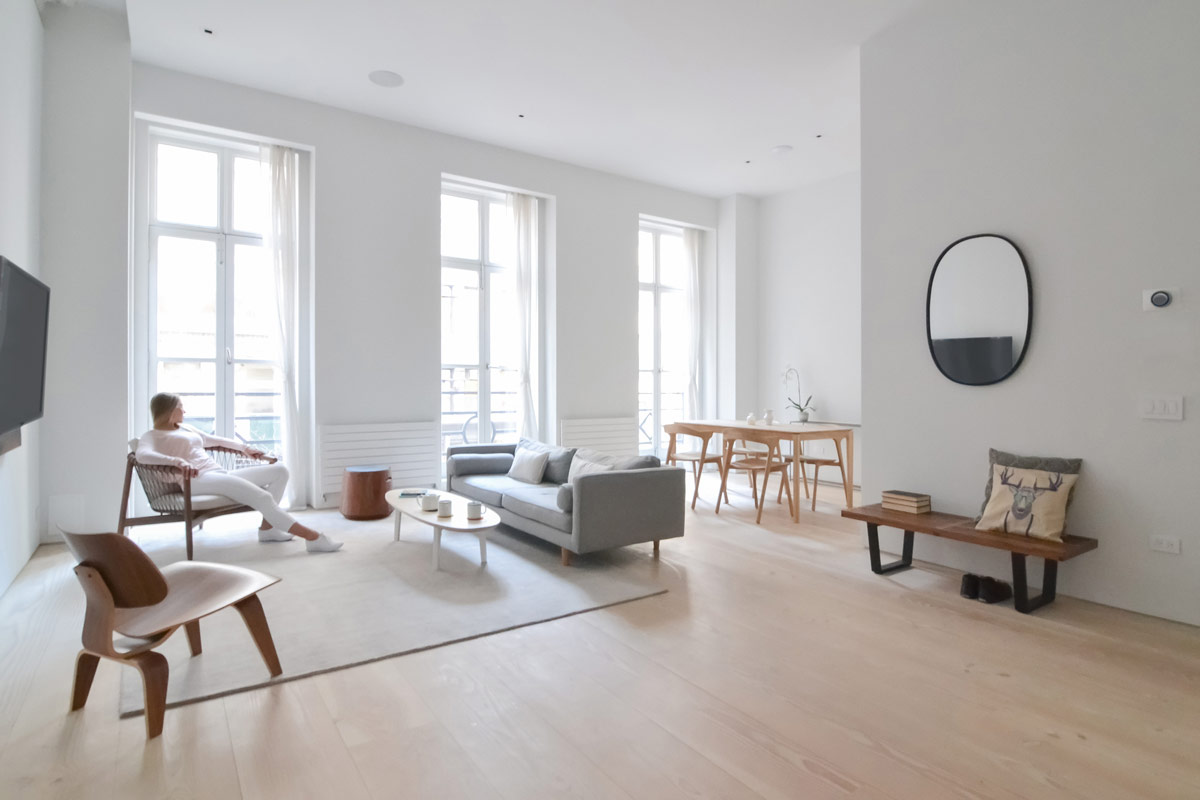
It is a lesson that contradicts every instinct of the collector and the decorator. We are taught to fill, to curate, and to accumulate. A room is meant to be lived in, and living requires objects. Yet there is a strange, powerful truth that emerges from the act of subtraction: some rooms work better empty. Not abandoned, but deliberate in their emptiness. The space becomes the primary object.
This is not minimalism in the sense of a design style. It is a functional realization. The room that works better empty is not a room that is trying to be fashionable. It is a room that is doing its job with less interference.
The Noise of Objects
Every object in a room is a voice. It demands attention, asks for interpretation, and often competes for the viewer’s eye. A well-designed room with many objects can create a complex, layered experience that rewards close attention. But many rooms are not layered. They are cluttered. They are collections of objects that do not speak to each other, that were accumulated without intent. The noise becomes a distraction.
When you remove the objects, the room begins to speak in a different way. The architecture becomes visible. The proportions of the space, the quality of the light, and the texture of the materials are no longer competing for attention. The room itself becomes the focus. The air in the room becomes a tangible element.
The Primacy of Space
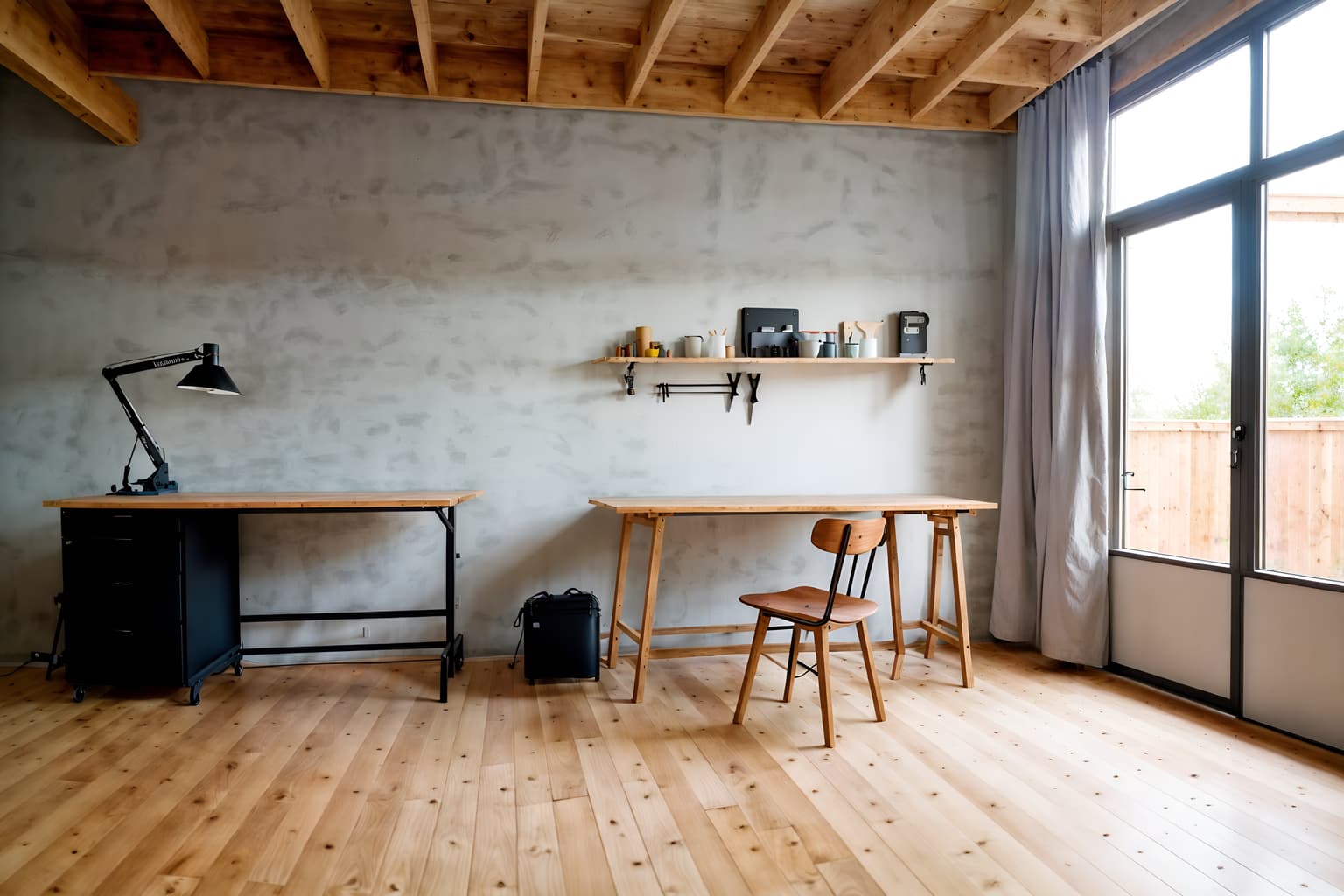
An empty room is not a void. It is a volume that defines the boundary of what is possible. When a room is filled, you are limited by the objects you have chosen. When it is empty, you are limited only by the dimensions of the room itself. This can be an unsettling experience for those who are accustomed to the comfort of ownership. It can also be liberating.
A room that works better empty is a room that reveals the relationship between the floor, the walls, and the ceiling. It highlights the quality of the light. It gives you permission to move differently, to think differently, and to see the potential in the space. It transforms the room from a container for things into a place for experience.
The Function of Unfurnished Space
Empty space is not useless. It is a spatial technology for managing time and attention. When you remove all the usual distractions, what remains is a room that forces you to be present. This might be because the lack of furnishings makes you hyper-aware of your own presence in the room, or because the silence becomes the primary element. An empty room can be a place to think, to breathe, and to dream.
The Art of Subtraction
The designer’s instinct is often to add. The client’s expectation is often to fill. The art of subtraction is the recognition that the act of removing is as important as the act of adding. It requires confidence and patience. It also requires a willingness to trust the space.
The room that works better empty is a room that can be lived in without being owned. It is a room that can be used without being consumed. It is a room where the emptiness is not a lack. It is a presence. The spaces in our homes that are deliberately left empty are not voids. They are pauses. They are the silence that makes the music audible. The absence of things becomes a presence in itself.
About the Author

Peter Makeshoff
Peter Makeshoff is the founder and main author of Designer Daily.