
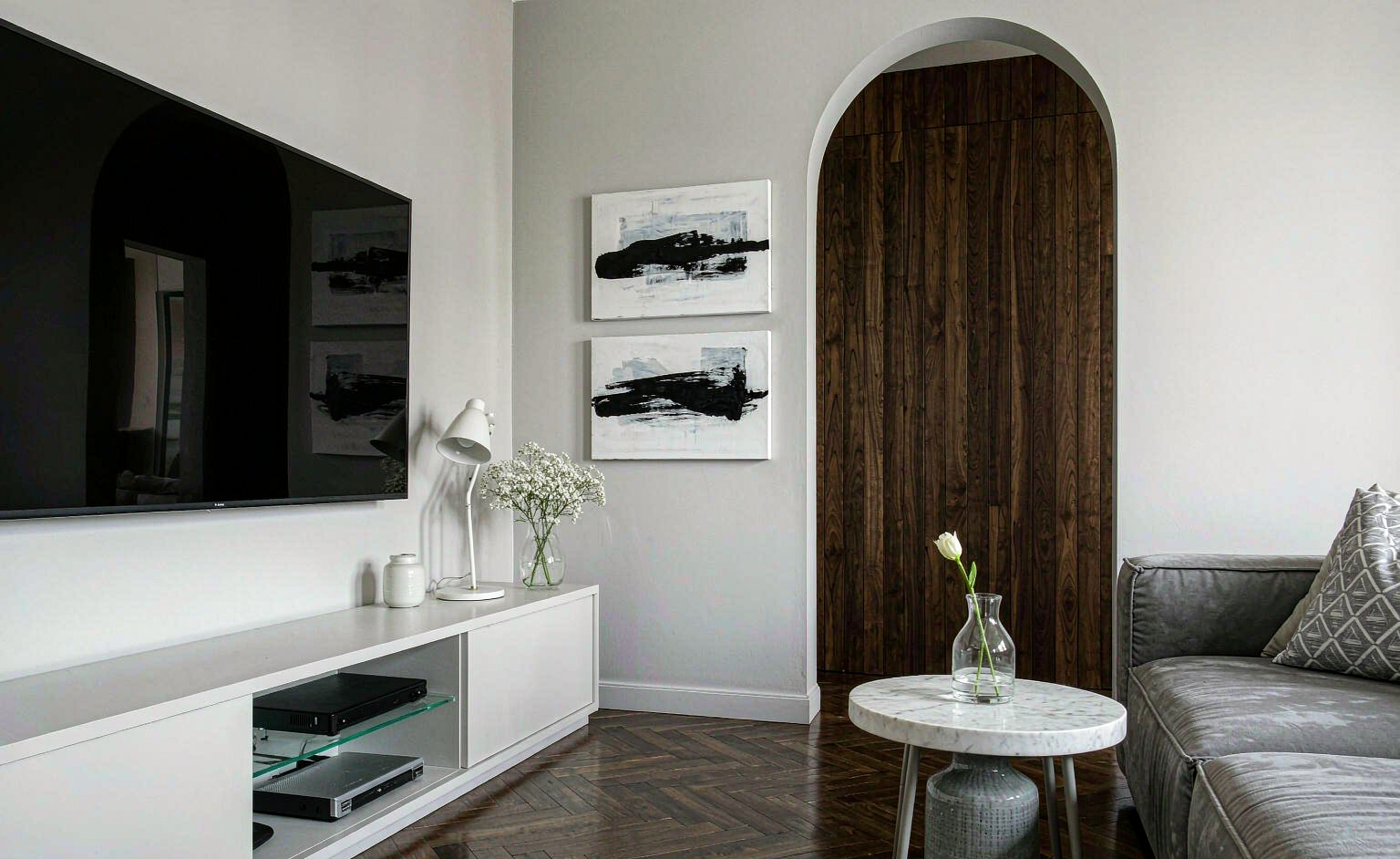
Every lounge has that one corner where the cables escape, a snarl of HDMI and power leads no styling trick can fully hide, and functional tv stands with storage answer that problem with real drawers and real routing, not a pretty shelf that still leaves the tangle behind it for everyone to see.
I have styled enough media corners to know the stand either solves the mess or becomes part of it. A shallow cabinet looks neat from the front and chaos from the side, which is the gap most buyers only notice after the install is finished and the cords start their slow migration into view. Function means the drawers actually hold the remotes and the boxes, and the back actually routes the wires. That is the difference between a corner that photographs well and a corner that lives well through the week. Most people only notice the gap after the furniture arrives, and the cheaper stand stops looking like a bargain the moment the cables creep back into the light of the room.
Storage Is the Real Function
A stand without storage is just a shelf with legs, and a shelf with legs collects the same clutter a bare wall does in the home. The functional version gives you drawers for the remotes, the manuals, the spare leads nobody admits to keeping. I look for a piece with at least two closed compartments, because the open ones always fill with the stuff you would rather not see during a film. Depth matters too, because the gear needs a home behind the doors rather than a perch on top of the unit for all to view. When the storage is real, the corner goes calm and the screen becomes the only thing you notice. That is the whole point of a TV stand, yet most of them fail because nobody planned what would actually live inside the cabinet before the purchase was made by the buyer.
Routing Beats the Duct Tape
Good cable management is a series of small decisions, not one miracle product that fixes everything at once for the corner. Pre cut routes behind the back panel help more than people expect when they first set up the room. A channel for power and a slot for each device add up to a sense of order that lasts through the years. I like stands with an open rear and adjustable shelves, because gear changes and the furniture should adapt with it as the family grows. The aim is to run every wire along a clear path and clip it there so nothing dangles into the room where a child might pull. When the back is as considered as the front, the whole corner feels intentional rather than improvised by someone in a hurry. You stop dreading the moment a guest asks what all those wires are for behind the screen on the wall above.
Ventilation Keeps the Gear Calm
Tucking electronics into drawers only works if they can breathe through the day and night without a complaint. Heat shortens the life of a receiver and invites fan noise you will hear during a film after dark in the lounge. A stand with vented back panels lets air move while the doors stay shut on the front of the piece for a clean look. I check that the design includes real airflow, not just a closed box with a painted slit that does nothing at all for the heat. The gear runs cooler and lasts longer when air can rise behind it and leave the cabinet. It stays silent, which is the point of hiding it, because a humming stand defeats the calm you bought the furniture to create in the first place for the family.
Finish That Fits the Room
A TV stand sits below the screen and above the floor, right in the sightline of everyone in the room who looks up to watch. It has to look like it belongs with the decor you chose with care over the years of living there. I choose clean lines and a finish that matches the woodwork so the piece frames the TV without competing with it for attention from the sofa. The hardware stays subtle and the stand reads as one decision rather than a stack of boxes nobody meant to show to visitors. When the stand matches the rest of the room, the storage story disappears into the design entirely for good. You get the function without the industrial look that ruins a lounge. That is the standard worth holding when you buy for a living room rather than a den or a spare room nobody uses during the day with the family around.
The Small Habits That Help
Even the best stand benefits from a little care from the people who live with it daily in the home. I keep the rear area clear of stray boxes and cables that block the path of the air through the cabinet. Blockage is blockage regardless of how good the panel is on the outside of the unit. A quick dust of the vents each season keeps airflow honest and free of buildup that slows the gear. I also avoid stacking components directly on top of each other, because that blocks the rise path the heat needs to escape from the back. These are small moves, but they keep the system running cool years after the install when the excitement has worn off for the family. The furniture sets the baseline and the habits protect it from slow decline through the seasons.
What to Verify Before Buying
Before you hand over the money, ask whether the storage is real or merely decorative on the front of the stand. Look for actual drawers with a path to the gear, not a flat face that hides an empty shell behind it for show. Confirm the rear is accessible for routing power and signal without a struggle on the day of install. Check that the shelves adjust so you can create clearance where the components sit during use. A confident product shows the interior in the listing with a photo you can read clearly. If the seller cannot explain how the wires route, assume they do not and walk away from the purchase before it is too late to change your mind.
Why Function Pays Off
A functional stand costs a little more than a bare shelf for the corner. It returns far more than the difference in the long run of ownership through the years. Your gear stays put and runs without complaint through every season of use by the family. The room stays calm during the scenes that matter most to you on a still night at home. You stop opening the cabinet to check if things are melting behind the doors of the unit. That peace is the real value of the purchase, because the right furniture turns a hot, messy corner into a cool, finished wall. You get to enjoy the setup instead of worrying about it every time the credits roll on a film you love with the people you live with in the house each evening together.
Pick a stand built around storage and routing, and the cable snarl becomes someone else’s problem to solve. Yours is a clean corner and a calm room that finally does what you bought it to do. It disappears into the background of a life you actually enjoy instead of a chore you keep postponing for another weekend with the family at home.
About the Author

Peter Makeshoff
Peter Makeshoff is the founder and main author of Designer Daily.