
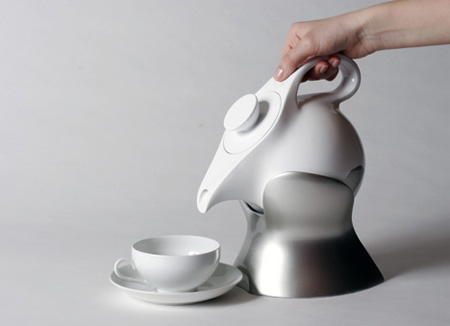
The kettle sits on the stove. It is a simple object. It has a handle, a spout, and a lid. It does exactly what it was designed to do: it boils water. There is nothing complicated about it. Yet, watching people use it reveals something profound about human behavior. The kettle is not just a tool. It is a mirror.
The Whistle
The first thing you notice about a tea kettle is the whistle. When the water boils, the kettle makes a sound. It is a signal. It tells the user that the water is ready. It is a simple, effective piece of design. But watch how people respond to it.
Some people rush to the stove the moment they hear the whistle. They drop what they are doing and attend to the kettle immediately. The whistle is a command. They obey.
Others ignore it. They let the kettle whistle for a minute, two minutes, five. They are in the middle of something. They will get to it when they get to it. The whistle is not a command. It is an interruption.
The same signal produces different behaviors. The difference is not the kettle. It is the person.
The Pour
Now watch how people pour the water. Some people pour with precision. They measure the water. They fill the cup to a specific level. They are careful and deliberate.
Others pour with abandon. They let the water flow until the cup is full, not caring about the exact amount. They are casual and relaxed.
The same action produces different results. The difference is not the kettle. It is the person.
The Handle
The handle is where the kettle meets the hand. Some people grip it tightly. They are afraid of dropping the kettle. They are cautious and tense. Others grip it lightly. They trust the handle. They are relaxed and confident.
The same handle produces different grips. The difference is not the kettle. It is the person.
The Lesson
The kettle is a constant. The person is a variable. The kettle does not change. The person does. This is a fundamental truth about human behavior. We like to think that we are reacting to the world as it is. We are actually reacting to the world as we are.
The designer who understands this has a superpower. They understand that the same design will be used differently by different people. The same button will be pressed with different intentions. The same interface will be navigated with different expectations. The same kettle will be poured with different hands.
The design is not the experience. The design is the starting point. The experience is what the user brings to it.
The Bottom Line
The tea kettle is a simple object. It is also a profound teacher. It teaches us that human behavior is not determined by the object. It is determined by the person. The designer who ignores this will design for themselves. The designer who understands this will design for the range of human behavior.
The next time you watch someone use your design, do not look at the design. Look at the person. The design is the constant. The person is the variable. The variable is where the truth lives.
The kettle taught me this. It sits on the stove, waiting to be used. It does not care who uses it or how. It just boils water. The rest is up to the person. And that is the lesson.
About the Author
Peter Makeshoff
Peter Makeshoff is the founder and main author of Designer Daily.