
The matching furniture set is a promise. Buy the sofa, the loveseat, the coffee table, and the armchair from the same collection, and the room will look finished. Cohesive. Designed. It is the easiest path to a furnished home, and it is the reason so many living rooms feel like showrooms rather than living spaces.
The matching set is not a design choice. It is a shortcut. And like most shortcuts, it comes with a cost.
The Catalog Aesthetic
A matching furniture set is designed to sell together. The pieces are scaled, styled, and finished to look appealing in a catalog photograph. In the showroom, under the coordinated lighting, with the coordinated accessories, the set looks complete. It looks like a room.
But a showroom is not a home. The moment the set arrives in a real space, with real light, real proportions, and real life, it begins to feel flat. The uniformity that looked cohesive in the catalog feels monotonous in reality. Every piece repeats the same wood tone, the same silhouette, the same design language. The eye has nowhere to rest, no contrast to enjoy, no surprises to discover.
The catalog aesthetic is not a failure of design. It is a success of marketing. The set is designed to be photographed, not lived in.
The Problem with Perfect
The matching set creates a different problem: it makes the room feel impersonal. A space that looks like it was purchased in one transaction feels like it was purchased in one transaction. There is no evidence of a journey, no accumulation of meaning, no story of how the pieces came together.
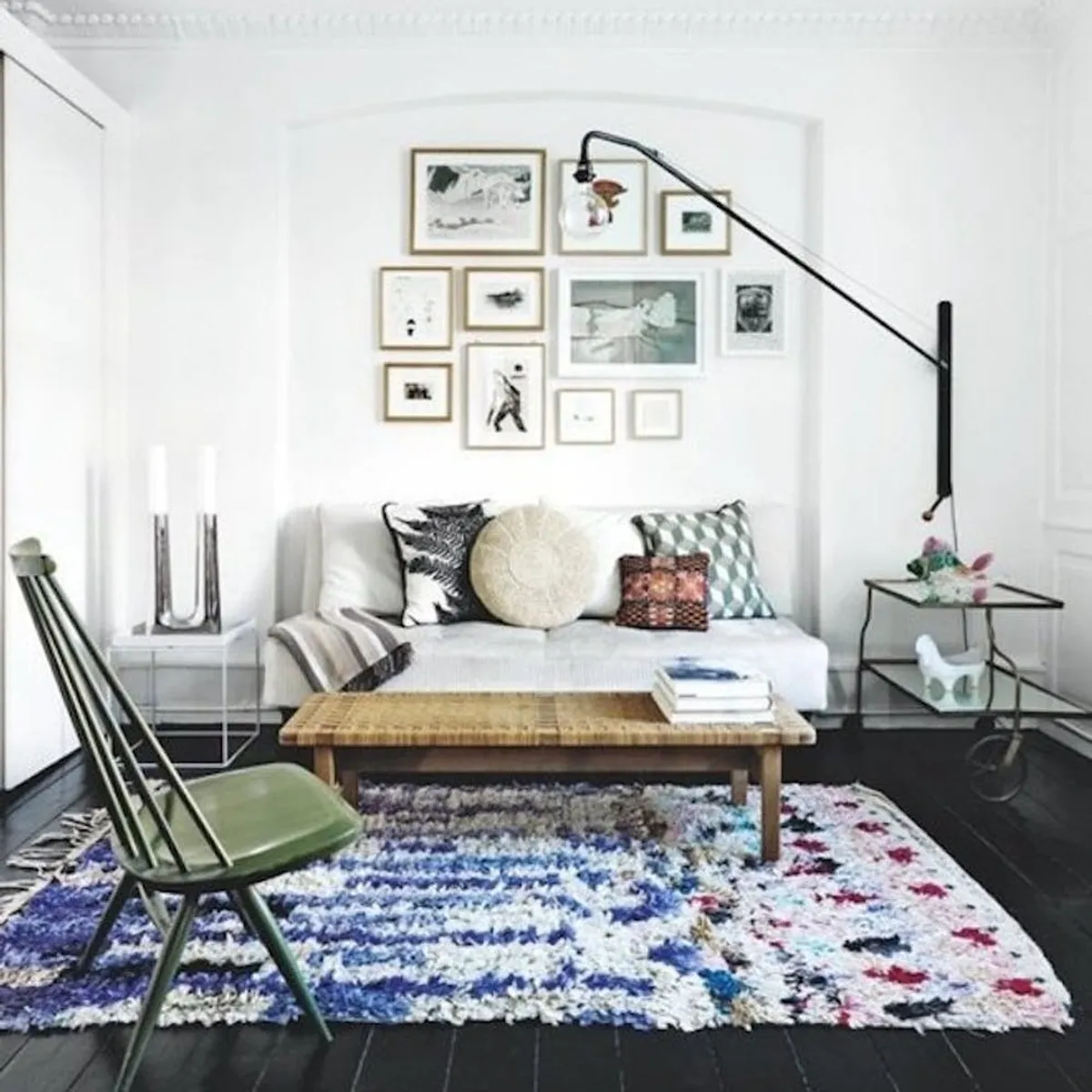
The most interesting rooms are the ones that have evolved. A chair inherited from a grandmother. A lamp found at a flea market. A rug purchased on a trip. A table built by a friend. These pieces do not match. They do not need to. They share a common thread: they were chosen, not assembled.
The Art of the Mix
The alternative to the matching set is not chaos. It is intentional juxtaposition. The goal is not to create a random collection of furniture. It is to create a room that feels layered, personal, and alive.
The designers who master this approach follow a few principles. They mix periods: a mid-century chair with a traditional sofa. They mix materials: a leather ottoman with a linen couch. They mix scales: a delicate side table next to a substantial armchair. They mix sources: a new piece from a retail store with a vintage find from an estate sale.
The result is a room that feels curated rather than purchased. The pieces do not match. They belong.
The Cohesion Question
The fear of abandoning the matching set is the fear of losing cohesion. If the furniture does not match, will the room feel disjointed? Will it look like a collection of random objects?
The answer is no, as long as there is a unifying thread. The thread can be color. A palette of warm neutrals can tie together pieces of different periods and materials. The thread can be scale. A room full of similarly scaled pieces, regardless of style, can feel coherent. The thread can be contrast. A room of black and white pieces, regardless of shape, can feel intentional.
Cohesion does not come from matching furniture. It comes from a clear point of view. The designer who knows what they want the room to feel like will find pieces that serve that feeling, regardless of whether they match.
The Bottom Line
Matching furniture is convenient. It is safe. It is also boring. The matching set erases the evidence of human choice. It removes the story. It replaces the personal with the catalog.
Stopping the matching is not about creating chaos. It is about creating a room that reflects the people who live in it. A room that has evolved. A room that has a point of view. A room that feels like a home, not a showroom.
The next time you furnish a room, do not buy the set. Buy the piece you love. Then find the next piece. Let the room grow. Let it tell a story. Let it become yours.
About the Author

Peter Makeshoff
Peter Makeshoff is the founder and main author of Designer Daily.