
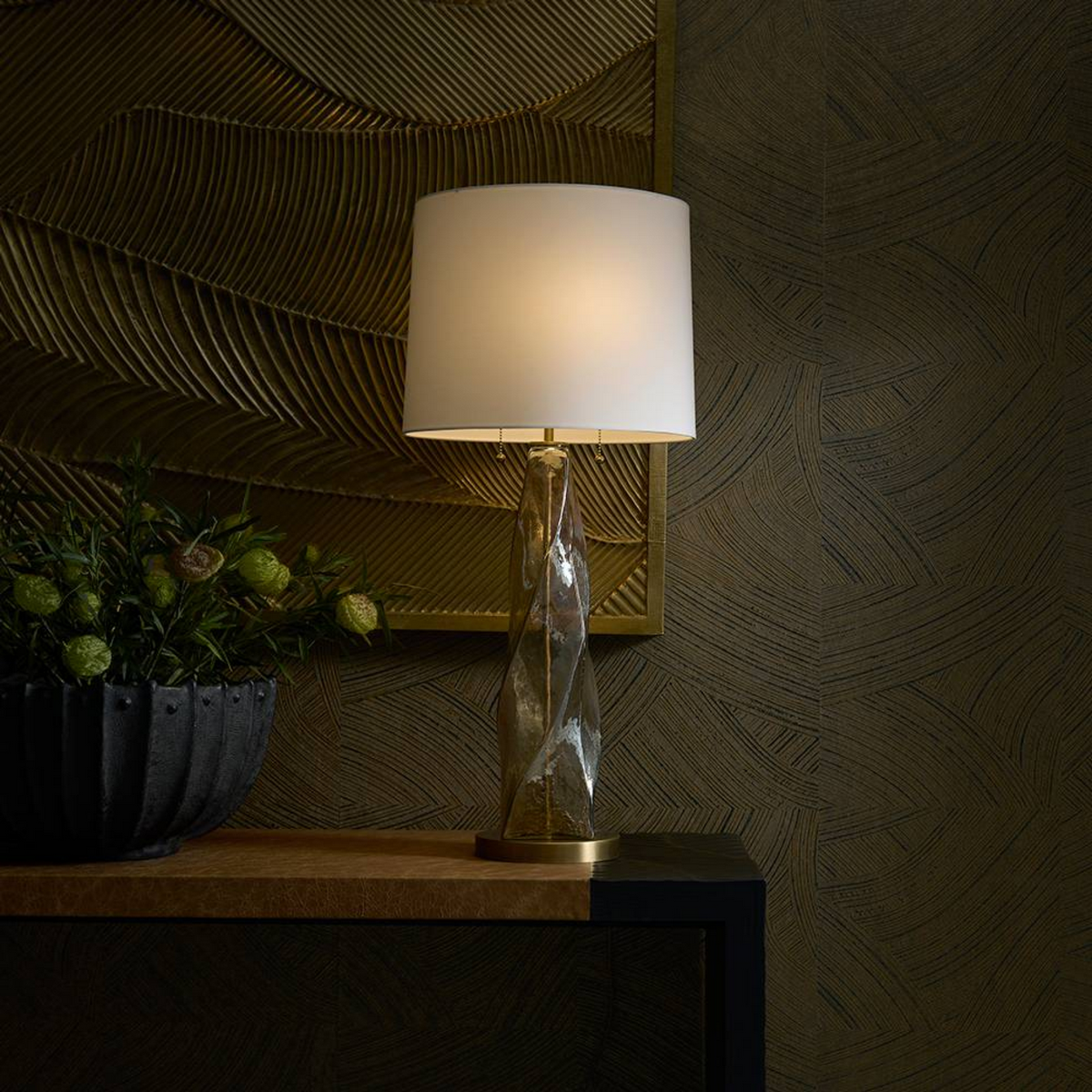
Good lighting does more than brighten a room. It shapes mood, adds depth, and helps each space work well through the day. A thoughtful mix of ceiling lights, wall lights, floor lamps, and Arteriors table lamps can make a room feel balanced, useful, and visually rich.
Layered lighting matters because no single light source can do every job. A bright ceiling light may help with cleaning or tasks, yet it can feel too harsh during a quiet evening. A small lamp may create warmth, yet it may not give enough light for the whole room. When several light sources work together, the room becomes more flexible and more comfortable.
Interior designers often think about lighting in layers because each layer serves a purpose. Some lighting helps people see clearly. Some lighting draws attention to art, texture, or architecture. Some lighting creates a soft glow that helps people relax. The best rooms use all of these ideas in a simple, natural way.
Start With the Room’s Purpose
Before choosing fixtures, think about how the room is used. A living room may need light for reading, conversation, and movie nights. A dining room may need a warm glow over the table and soft light around the edges. A bedroom may need bedside lamps, closet lighting, and a gentle source of light for evening routines.
When you start with purpose, lighting choices become easier. You can place light where people need it most. You can also avoid making the room too bright or too dim.
A well planned room supports many moments. Morning light may need to feel fresh and clear. Evening light may need to feel calm. Layered lighting gives you that range.
Use Ambient Light as the Base
Ambient light is the general light in a room. It often comes from ceiling fixtures, recessed lights, pendants, or large floor lamps. This layer helps the room feel open and easy to move through.
Ambient light should not feel flat. A room with only one overhead fixture can cast hard shadows or make the space feel cold. To soften the effect, use warm bulbs and add other light sources at different heights.
Think of ambient light as the foundation. It sets the overall level of brightness, then other layers bring comfort and detail.
Add Task Lighting Where It Helps
Task lighting supports specific activities. A desk lamp helps with work. A bedside lamp helps with reading. A lamp near a lounge chair creates a comfortable place to unwind with a book. Under cabinet lights in a kitchen make prep areas safer and easier to use.
Task lighting should feel close enough to be useful without creating glare. The best task lights make an activity easier while still fitting the room’s style.
This layer also helps a room feel more personal. A lamp beside a favorite chair suggests how the space is meant to be used. It creates a small zone within the larger room.
Bring in Accent Lighting for Depth
Accent lighting adds interest. It can highlight a painting, a textured wall, a shelf, or a sculptural object. This layer does not need to be bright. In many rooms, a soft highlight works better than a strong beam.
Accent lighting gives the eye places to pause. It can make materials look richer and help architecture feel more defined. A wall sconce near art, a small lamp on a console, or a light inside a cabinet can all add quiet drama.
This layer can also change how large a room feels. Lighting the corners or edges of a space can make it feel wider and more open.
Think About Height and Placement
Layered lighting works best when light comes from more than one level. Ceiling lights shine from above. Table lamps bring light closer to eye level. Floor lamps add height and help fill empty corners. Wall lights can frame a room and add rhythm.
When all light comes from the ceiling, the room can feel one note. When light appears at several heights, the space feels fuller and more inviting.
Placement also matters. A lamp on a side table can make a seating area feel grounded. A pair of lamps on a console can create balance. A fixture above a dining table can mark the center of the room.
Choose Fixtures as Design Objects
Lighting is functional, yet it also adds shape, color, and texture. A lamp can act like a small sculpture. A shade can soften the look of a room. A ceramic, metal, glass, or wood base can add material depth.
This is why lighting often plays such a strong role in interior design. It affects both how a space looks and how it feels. A simple room can gain character from one well chosen lamp. A bold room can feel calmer when lighting adds balance.
Choose fixtures that support the room’s mood. Clean lines can feel modern. Curved forms can feel soft. Natural materials can feel warm. Polished finishes can add a refined note.
Pay Attention to Bulb Temperature
The bulb matters as much as the fixture. Warm light tends to feel relaxed and welcoming. Cool light can feel sharp in living spaces, especially at night.
For most homes, warm white bulbs work well in living rooms, dining rooms, bedrooms, and entryways. They help skin tones, wood, fabric, and paint colors look natural. In work areas, a slightly clearer light may be useful, yet it should still feel comfortable.
Dimmers can make lighting more flexible. They let a room shift from bright and practical to soft and calm without changing the fixtures.
Let Lighting Support Texture and Color
Light changes the way surfaces appear. A woven shade, a plaster wall, a velvet chair, or a stone table can look more interesting when light falls across it. Soft light can reveal texture without making it feel harsh.
Color also changes under different bulbs. A paint color that looks warm during the day may feel dull under the wrong light at night. Testing bulbs before committing can help keep the room’s palette consistent.
Good lighting does not compete with the design. It supports it. It helps materials, colors, and forms show their best qualities.
Create Small Moments of Warmth
Some of the best lighting choices are small. A lamp on a shelf, a glow beside the sofa, or a soft light in the entry can make a home feel cared for. These moments guide people through the room and create a sense of ease.
Small lights also help during quiet parts of the day. In the evening, you may not want every ceiling light on. A few lower light sources can make the room feel peaceful while still giving enough brightness to move around.
Keep the Look Balanced
Layered lighting should feel planned, not crowded. Each light should have a reason to be there. Too many fixtures can make a room feel busy. Too few can make it feel unfinished.
Look at the room as a whole. Check where light already falls. Notice dark corners, task areas, and places that need focus. Then choose lighting that solves those needs while adding beauty.
A layered plan makes interiors feel complete. It supports daily life, adds visual depth, and helps every room shift with ease from day to night.
About the Author

Peter Makeshoff
Peter Makeshoff is the founder and main author of Designer Daily.