
Outdoor advertising in the United States has evolved rapidly over the last decade. As cities grow denser and audiences become more visually selective, traditional billboards are no longer enough to capture sustained attention. An outdoor led wall has emerged as a modern alternative, offering greater flexibility, stronger visual impact, and better adaptation to today’s fast-paced urban environments.
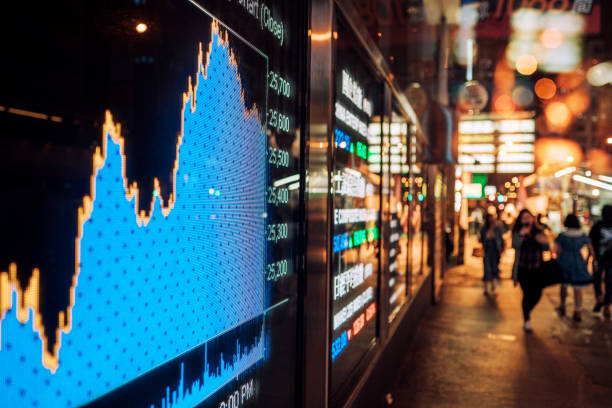
The limitations of traditional billboards
Traditional billboards rely on static images that remain unchanged for weeks or even months. While this approach once worked in less saturated markets, it now struggles to compete with the constant flow of digital content people experience every day. In high-traffic areas, static messages are often overlooked, especially by audiences accustomed to dynamic screens and real-time information.
Another limitation is the lack of adaptability. Once a billboard is printed and installed, changing the message requires additional production time and cost. This makes it difficult for brands to respond to seasonal trends, local events, or time-sensitive campaigns. As a result, many billboard messages feel outdated before the campaign even ends.
Digital flexibility as a key advantage
Outdoor LED walls address these limitations by allowing brands to update content instantly. Messaging can be changed remotely, scheduled by time of day, or adjusted to match specific campaigns. This flexibility gives advertisers full control over what is displayed and when, without the logistical challenges associated with printed billboards.
For example, a brand can promote different products during morning and evening rush hours or adjust messaging based on weekdays versus weekends. This level of control helps campaigns stay relevant and aligned with audience behavior, something traditional billboards cannot offer.
Multiple messages in the same space
Unlike static billboards that display a single image, LED walls can rotate multiple pieces of content within the same location. This allows brands to communicate more information without increasing physical footprint. In competitive urban areas where space is limited and expensive, this efficiency is a major advantage.
Stronger visibility in all lighting conditions
Outdoor environments present constant lighting challenges, from direct sunlight to nighttime glare. LED wall technology is designed to maintain high brightness and contrast, ensuring visibility throughout the day and in varying weather conditions.
Traditional billboards rely heavily on external lighting, which can be inconsistent or ineffective in certain conditions. LED walls, on the other hand, produce their own light, delivering consistent clarity regardless of ambient brightness. This reliability helps ensure that advertising messages are always readable and visually appealing.
Motion and attention capture
Human attention is naturally drawn to movement. Outdoor LED walls use motion graphics, video, and smooth transitions to capture interest in ways static billboards cannot. In busy streets or highways, this motion helps messages stand out from the surrounding visual noise.
Even subtle animation can significantly increase the likelihood that passersby notice and remember a message. This is especially important in environments where viewers may only have a few seconds to process what they see, such as from a moving vehicle or while walking through a crowded area.
Better alignment with modern brand strategies
Modern brands focus on storytelling, consistency, and engagement rather than one-dimensional promotion. LED walls support these strategies by allowing brands to present cohesive visual narratives over time. Instead of repeating a single image, advertisers can show sequences that reinforce brand identity, values, or product benefits.
This approach creates a more immersive brand presence and helps build recognition through repeated exposure to consistent visual elements. Traditional billboards, by contrast, often lack the flexibility needed to support these evolving branding strategies.
Data-driven and time-based messaging
Another reason outdoor LED walls are replacing traditional billboards is their ability to support data-driven content. Messaging can be scheduled or adjusted based on traffic patterns, time of day, or specific audience segments. This ensures that content is not only visible but also contextually relevant.
For example, advertising can be tailored for commuters during peak hours and adjusted for leisure audiences later in the day. This strategic use of timing increases the effectiveness of campaigns and maximizes return on investment for advertisers.
Reduced long-term production costs
While the initial investment in LED wall technology may be higher than printing a billboard, the long-term cost structure is often more efficient. Traditional billboards require repeated printing, installation, and removal for each new campaign. These recurring costs add up over time.
LED walls eliminate the need for physical replacements. Content updates are digital, reducing material waste and ongoing production expenses. For brands that run frequent campaigns or need to update messaging regularly, this model offers clear economic advantages.
Supporting sustainable advertising practices
Sustainability has become an important consideration for many brands. Outdoor LED walls support more environmentally conscious advertising by reducing paper use, printing waste, and transportation associated with traditional billboards.
Modern LED technology is also designed to be energy-efficient, using less power than older digital display systems. This aligns with the growing demand for advertising solutions that balance performance with environmental responsibility.
Integration into modern urban design
Cities are increasingly focused on aesthetics, smart infrastructure, and digital integration. Outdoor LED walls fit naturally into this vision, blending technology with architecture and public space design. They can be integrated into building facades, public plazas, or transportation hubs without disrupting the surrounding environment.
This integration helps cities maintain a modern visual identity while giving brands high-impact advertising opportunities. Traditional billboards, which often appear bulky or outdated, struggle to meet these design expectations.
A shift driven by audience expectations
The replacement of traditional billboards is ultimately driven by changing audience behavior. People expect content to be dynamic, relevant, and visually engaging. Outdoor LED walls meet these expectations by delivering adaptable, high-quality visuals that align with how people consume information today.
As advertising continues to compete for attention in crowded outdoor spaces, brands are increasingly turning to LED wall solutions that offer flexibility, visibility, and long-term value. This shift reflects a broader transformation in how outdoor communication is designed, delivered, and experienced across the United States.
About the Author

Peter Makeshoff
Peter Makeshoff is the founder and main author of Designer Daily.