
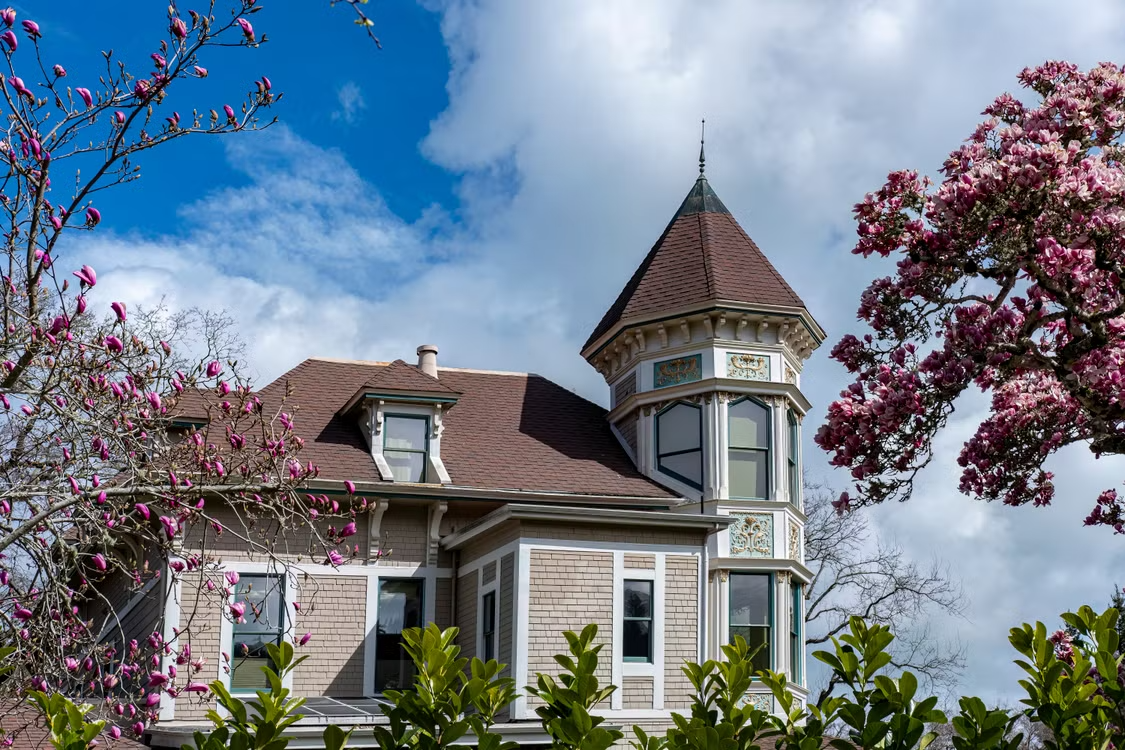
Heritage materials are having a serious moment in modern interiors.
Tile – particularly plastic-looking tile – can look fake. When designers and homeowners have been living with shiny, mass-produced everything, they’re starting to crave texture with authentic patina. Think antiquity and age-old materials like weathered wood and worn finishes.
The result?
Spaces that feel rooted. Rooms that look like they always belonged. Interiors with authentic soul.
The guide tells you precisely how to incorporate antiques and vintage finds into your contemporary home without creating a set or museum atmosphere.
Let’s get into it…
Here’s what’s inside:
- Why Heritage Materials Are Trending Again
- The Power Of Natural Stone Floor Tiles
- Mixing Old And New The Right Way
- Heritage Materials That Belong In Every Modern Home
- Common Mistakes To Avoid
Why Heritage Materials Are Trending Again
People are tired of disposable design.
Truth can be found in the numbers as well. The global natural stone market is growing at a 7.63% CAGR through 2035, driven by consumer demand for sustainable and long-lasting materials that are built to last.
That’s a huge shift.
For years, the design world chased trends like:
- Ultra-modern minimalism
- Polished synthetic surfaces
- Quick-fix laminates
One thing people began to realise… Certain materials look dated almost as soon as they are installed. Tiles and certain composite siding materials chip, scratch and show their age within years. Heritage materials age gracefully.
Why? Because:
- Stone develops a beautiful patina
- Reclaimed timber gains character
- Aged metals look more authentic year after year
It’s a long-term investment in your home, not a quick refresh.
The Power Of Natural Stone Floor Tiles
Want the easiest way to bring old-world charm into a modern space?
Natural stone floor tiles are low maintenance; they do most of the work by themselves. They take a room from “just built” to “built centuries ago” — even on a new build property.
It’s because stone is one of the most ancient building materials known to man. It has been used in cottages, châteaux and farmhouses for centuries. When you lay natural stone floor tiles, you’re bringing centuries of history into your home.
If you want floors that look authentically heritage, it’s hard to beat rustic limestone floors. Their muted, warm colours and gentle flaws and weathered textures make any space feel cosy and grounded. Add underfloor heating, and suddenly you have a floor that looks great AND feels great.
Other great heritage stone options include:
- Travertine — cream tones with pitted texture
- Slate — dark, rich and dramatic
- Sandstone — golden, earthy and warm
The trick is choosing a stone that matches the mood you’re going for.
Mixing Old And New The Right Way
Here’s where most people get it wrong…
They commit HARD TO the vintage aesthetic and overshoot to a set-piece throne room. The appeal of rustic-charming decor is CAPITALIZED ON by juxtaposition with modern elements.
You want the old and the new to play off each other.
Take exposed stone floors from centuries ago looking fantastic with sleek modern cabinets. Or how about original exposed ceiling beams in a kitchen with handle-less drawers and an induction hob.
The 70/30 rule works well here:
- 70% one era, 30% the other
- Most rooms feel best with modern bones and heritage accents
- Keep colour palettes consistent throughout
Architects and designers are dubbing it “archaic modernity” and it’s hot news all over the design press. Recent trend reports are overflowing with news about aging natural materials becoming a key interior design trend for the moment; think stone, timber and metals that gain character with a patina.
If you go heavy on the heritage materials, balance them with:
- Minimalist furniture
- Clean lines
- Neutral walls
- Modern lighting fixtures
This keeps the space feeling fresh — not stuck in another century.
Heritage Materials That Belong In Every Modern Home
Not all heritage materials are equal.
Some work effortlessly in contemporary homes. Others feel wrong, no matter what you do. These are the heritage materials that just won’t let you down:
Reclaimed Timber
Reclaimed wood has a depth and patina that new lumber cannot rival. Knots, nail holes and the weathered finish speak volumes adding instant personality to any room.
It works brilliantly for:
- Exposed ceiling beams
- Wide plank flooring
- Kitchen islands
- Feature walls
Aged Brass And Copper
Say goodbye to chrome finishes. Older homes have dull metals that naturally patina over time. The best part? You can purchase these aged finishes right now instead of waiting 50+ years.
Lime Plaster Walls
It is one of the oldest wall finishes available. Lime plaster has a chalky texture that creates depth and warmth in a room. Lime plaster also breathes helping control humidity naturally.
Handmade Tiles
Machine made tiles are flawless. Handmade tiles have slight variations in colour, size and shape — and that’s what makes them beautiful. They work beautifully on kitchen splashbacks, bathrooms and feature walls.
Common Mistakes To Avoid
Digitizing heritage assets into a new environment seems easy. However, there are some pitfalls that can compromise your entire scheme.
Mistake #1: Going too matchy-matchy
If everything is reclaimed/weathered, it looks too staged. You need some modern to make the old stand out.
Mistake #2: Skimping on quality
Cheap stone and faux reclaimed wood and “weathered” finishes look just like…cheap stone and faux reclaimed wood. Treat heritage materials like the investment they are.
Mistake #3: Ignoring the floor
The floor is everything in a room. Nail down the floor and every other piece is easier. Get the floor wrong and no styling trick will save it.
Mistake #4: Forgetting about practicality
Heritage materials look amazing. But they come with upkeep. Seal your stone. Oil your timber. Understand the commitment before you buy.
Bringing It All Together
Old-world aesthetics aren’t going anywhere.
Actually, the worldwide market size for stone flooring is expected to reach $23.65 billion by 2029, so homeowners really do appreciate materials with stories and substance over temporary design fads.
To bring heritage materials into a modern home successfully:
- Start with the floor — natural stone floor tiles set the foundation
- Layer in reclaimed timber, aged metals and lime plaster
- Balance heritage materials with modern lines and minimalism
- Use the 70/30 rule to avoid overdoing it
- Invest in quality — cheap heritage looks worse than no heritage at all
Materials communicate heritage. Heritage makes your home feel grounded, occupied and charismatic.
And the best part?
They only get better with time.
About the Author

Peter Makeshoff
Peter Makeshoff is the founder and main author of Designer Daily.