
Choosing a design style for your home isn’t just about aesthetics. It’s about how you want to feel in your space. Each style carries its own philosophy, material palette, and emotional temperature. Here’s a practical guide to the most popular residential interior design styles in 2026, what defines them, and who they’re for.
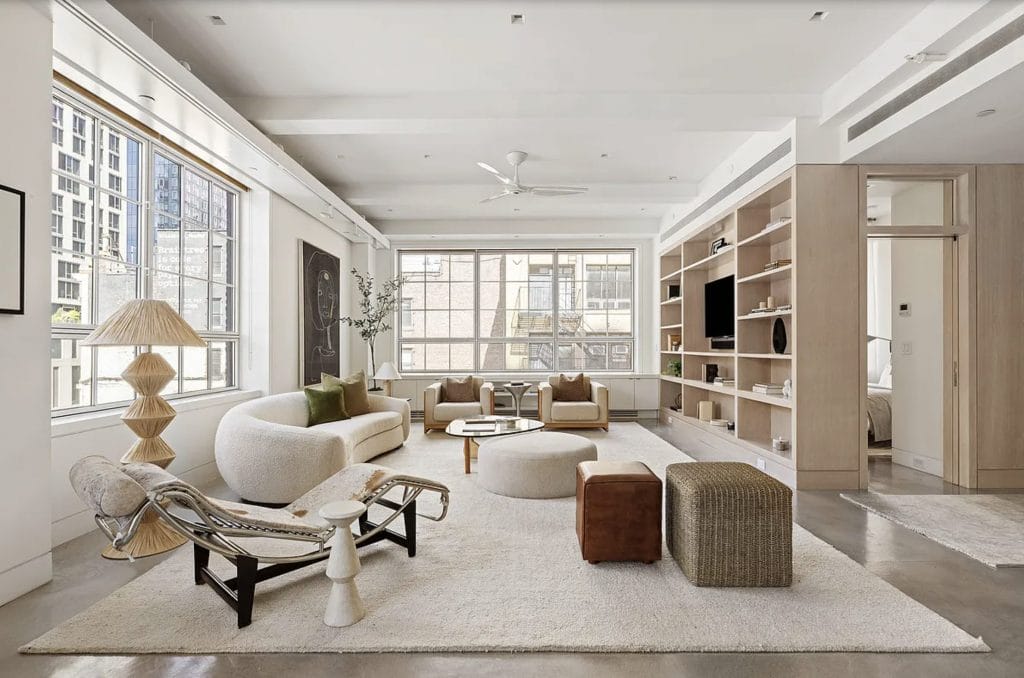
Modern
Modern design is often confused with contemporary, but they’re different. Modern refers to a specific historical movement (early to mid-20th century) emphasizing form follows function, clean lines, and an absence of ornament.
The philosophy: Beauty emerges from utility. Every object should earn its place.
Key characteristics:
- Open floor plans with minimal interior walls
- Large windows bringing in natural light
- Emphasis on horizontal and vertical lines
- Asymmetrical compositions
- No clutter, no fuss, no decoration for decoration’s sake
Materials: Glass, steel, concrete, leather, lacquer. Natural materials are used but not rustic ones—think polished, refined.
Colors: Neutral base (white, gray, black) with occasional primary color accents (red, blue, yellow) used sparingly.
Who it’s for: People who feel calmed by order and clarity. Those who prefer function over sentimentality in their surroundings.
Scandinavian
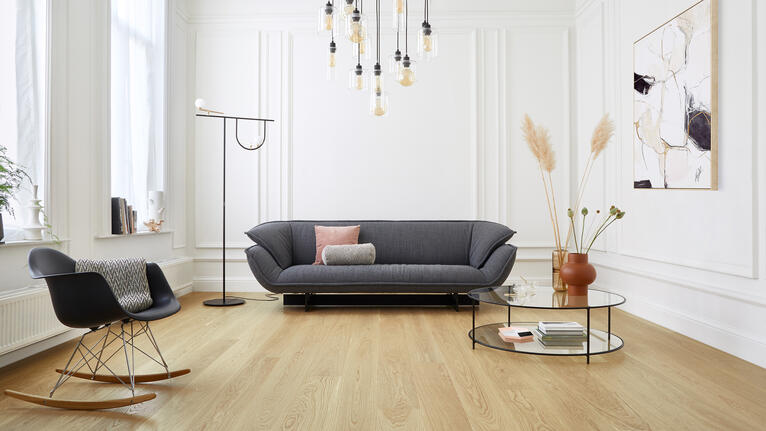
Often described as “modern with warmth,” Scandinavian design shares modernism’s minimalism but adds coziness (hygge), natural light, and a softer material palette.
The philosophy: Beautiful objects should be functional, and homes should support well-being, not just aesthetics.
Key characteristics:
- Light, airy spaces with white or pale gray walls
- Light-toned wood floors (pine, ash, birch)
- Simple, functional furniture with clean lines
- Layered textiles (sheepskin throws, wool blankets, linen curtains)
- Abundant natural light; mirrors strategically placed to reflect it
Materials: Light wood, wool, sheepskin, linen, leather, glass, ceramic.
Colors: White, pale gray, beige, muted blues and greens. Pops of color come from textiles, not walls.
Who it’s for: Families needing durable, functional spaces that don’t feel cold. People who want minimalism with warmth.
Industrial
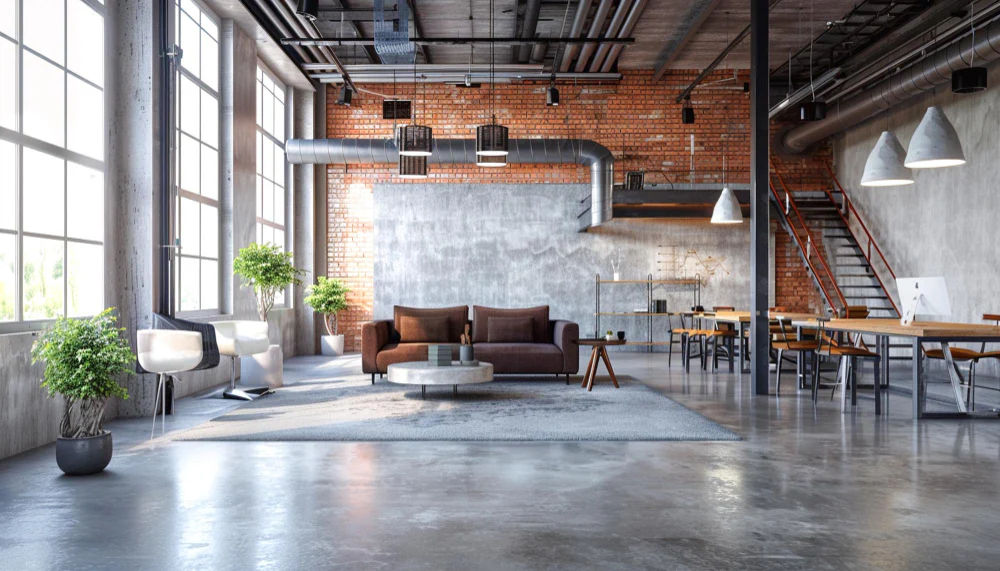
Industrial design celebrates the raw, unfinished beauty of buildings originally constructed for manufacturing or warehousing.
The philosophy: Honesty over polish. Expose what’s normally hidden. Let materials speak for themselves.
Key characteristics:
- Exposed brick, concrete, or cinder block walls
- Open ceilings with visible ductwork, pipes, and sprinklers
- Large metal-framed windows
- Concrete or polished epoxy floors
- Open floor plans with minimal interior divisions
Materials: Brick, concrete, steel, iron, reclaimed wood, leather, glass.
Colors: Grays, blacks, browns, white. Accent colors are typically muted, faded reds, army greens, ochre.
Who it’s for: Creatives, urban dwellers, anyone who finds polish oppressive and authenticity appealing.
Mid-Century Modern
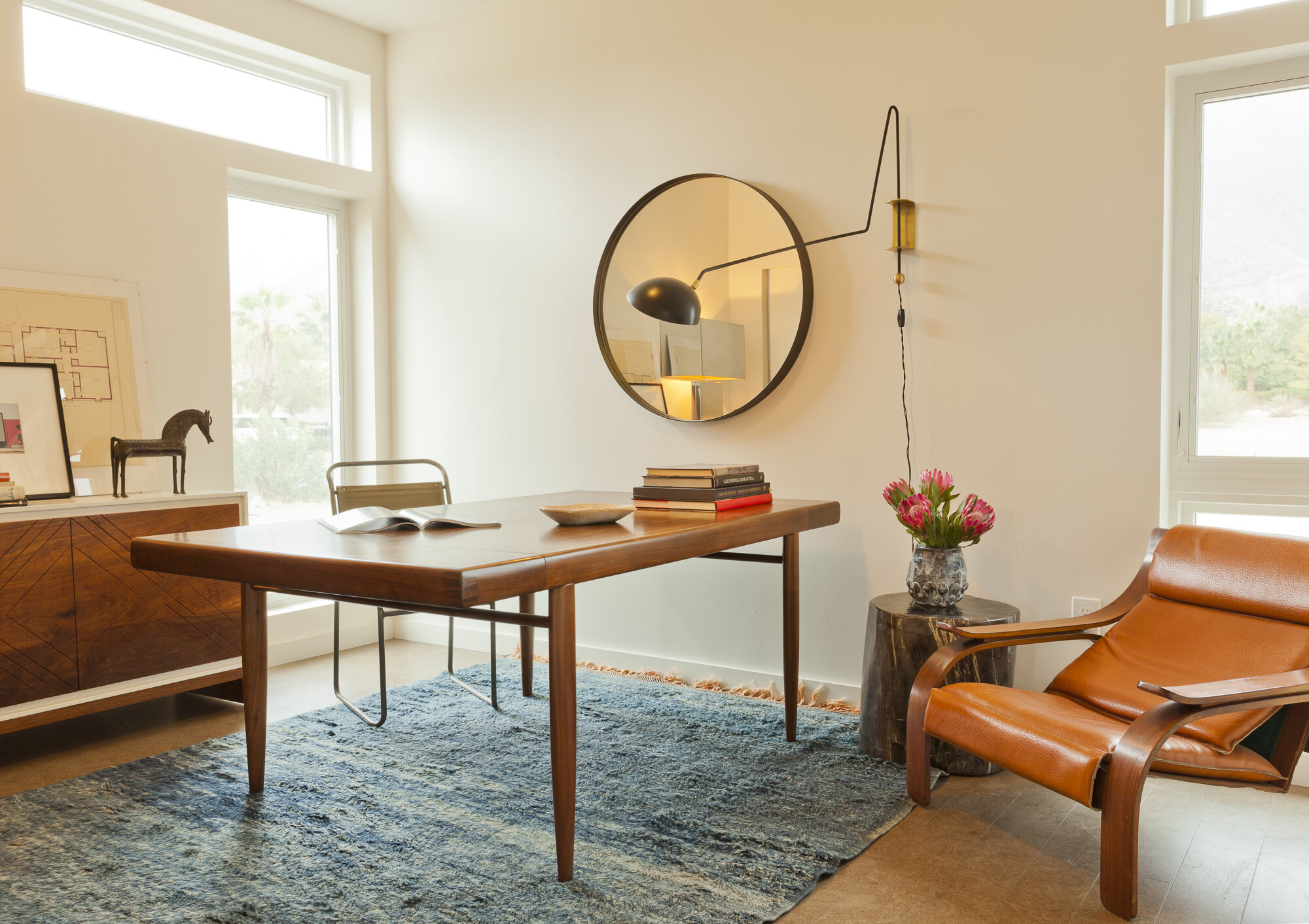
Mid-Century Modern (roughly 1945-1969) has never gone out of style. Its iconic furniture pieces, Eames lounge chair, Noguchi table, Nelson bench, remain in continuous production.
The philosophy: Good design is accessible, not elitist. Furniture should be beautiful, functional, and mass-producible.
Key characteristics:
- Clean lines with gentle organic curves
- Tapered legs on furniture (the “pegged” look)
- Geometric shapes used playfully
- Integration with nature through large windows and indoor plants
- Patterned textiles (atomic, abstract, starburst)
Materials: Teak, walnut, rosewood, molded plywood, fiberglass, vinyl, chrome, glass.
Colors: Warm wood tones paired with bold accent colors, mustard yellow, avocado green, teal, orange.
Who it’s for: Design purists, collectors, anyone who appreciates that great design from 60 years ago still looks fresh today.
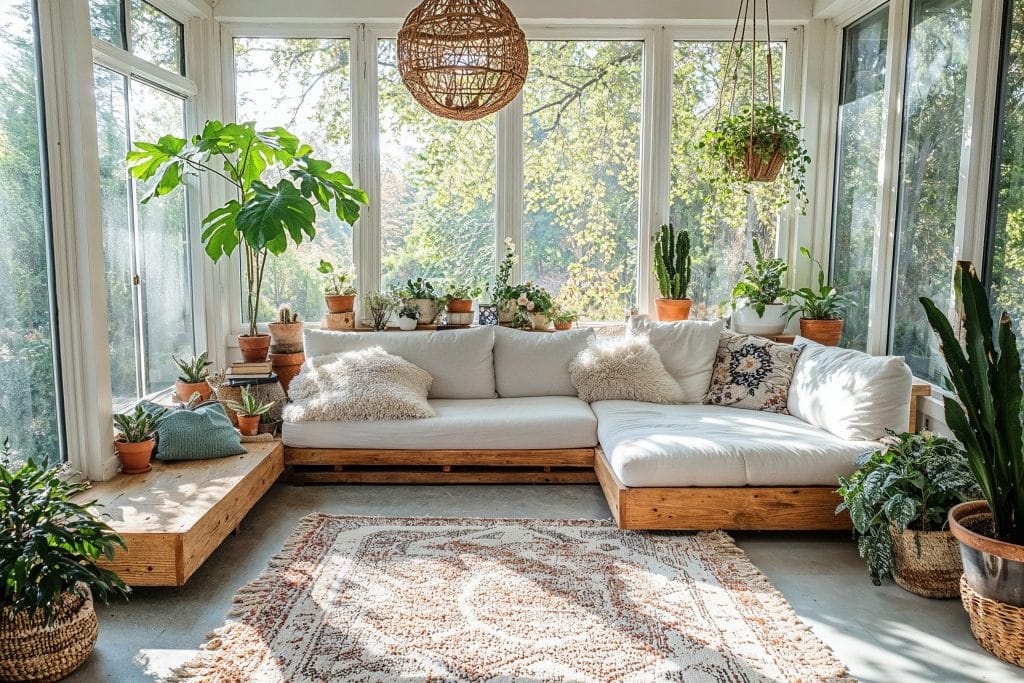
Bohemian (Boho)
Bohemian design rejects rules in favor of expression. It’s layered, global, collected over time, and deeply personal.
The philosophy: Your home should tell your story, not follow a catalog.
Key characteristics:
- Layered textiles (rugs on rugs, multiple throw pillows, macramé wall hangings)
- Low, casual seating (floor cushions, poufs, daybeds)
- Abundant plants, often hanging
- Collected objects from travel or thrift stores
- Mixed patterns that shouldn’t work together but somehow do
Materials: Rattan, cane, jute, macramé cotton, velvet, wool, clay, brass.
Colors: Warm, earthy tones with jewel accents, terracotta, mustard, emerald, sapphire, magenta. White walls are common as a neutral backdrop.
Who it’s for: Renters (it’s renter-friendly), travelers, creatives, anyone who hates matching furniture sets.
Farmhouse
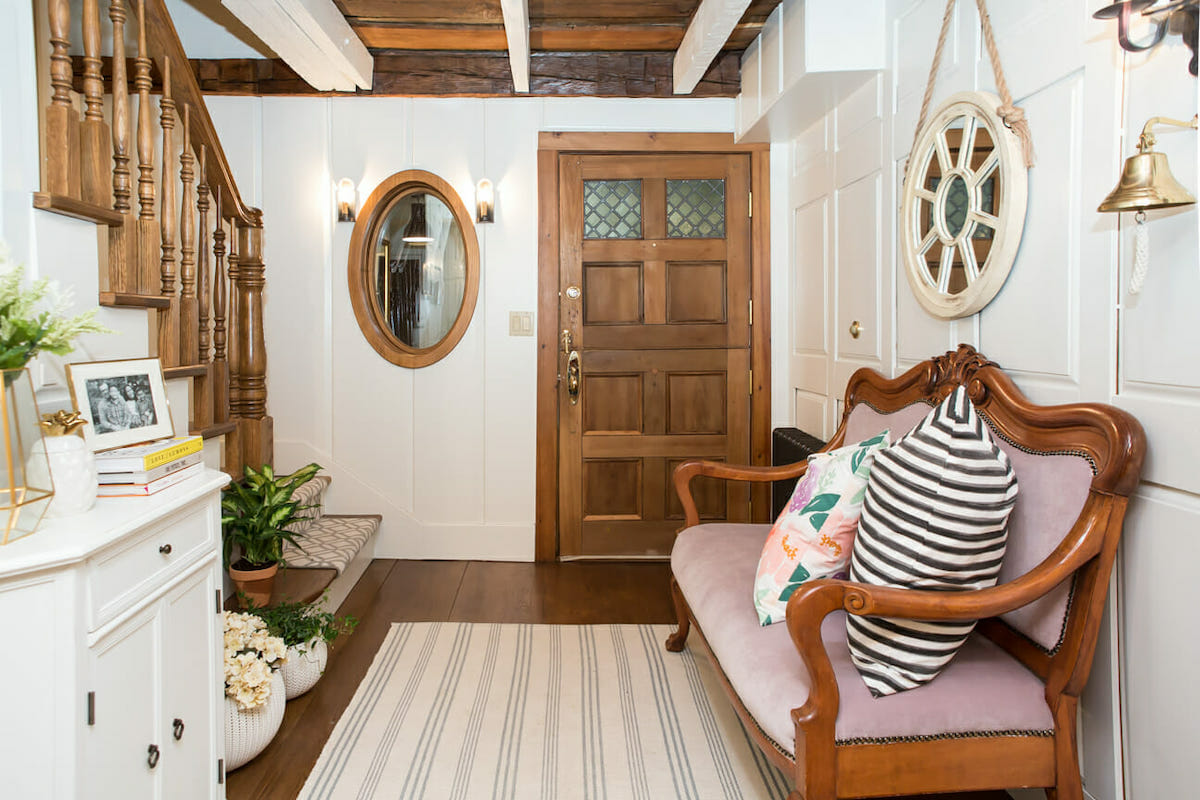
Farmhouse design romanticizes rural living. The modern version (sometimes called “modern farmhouse”) strips away frills while keeping warmth and nostalgia.
The philosophy: Simple, honest, comfortable. A place where muddy boots are welcome but everything has its place.
Key characteristics:
- Shiplap walls (horizontal or vertical)
- Apron-front farmhouse sinks
- Open shelving in kitchens
- Barn doors on sliding hardware
- Large, sturdy dining tables
- Neutral, relaxed upholstery
Materials: Reclaimed wood, shiplap, beadboard, galvanized metal, linen, cotton, wool, stone.
Colors: White, cream, gray, beige, black. Accent colors are muted, sage green, navy blue, deep red.
Who it’s for: Families, suburban homeowners, anyone doing a renovation who wants approachable, livable style.
Transitional
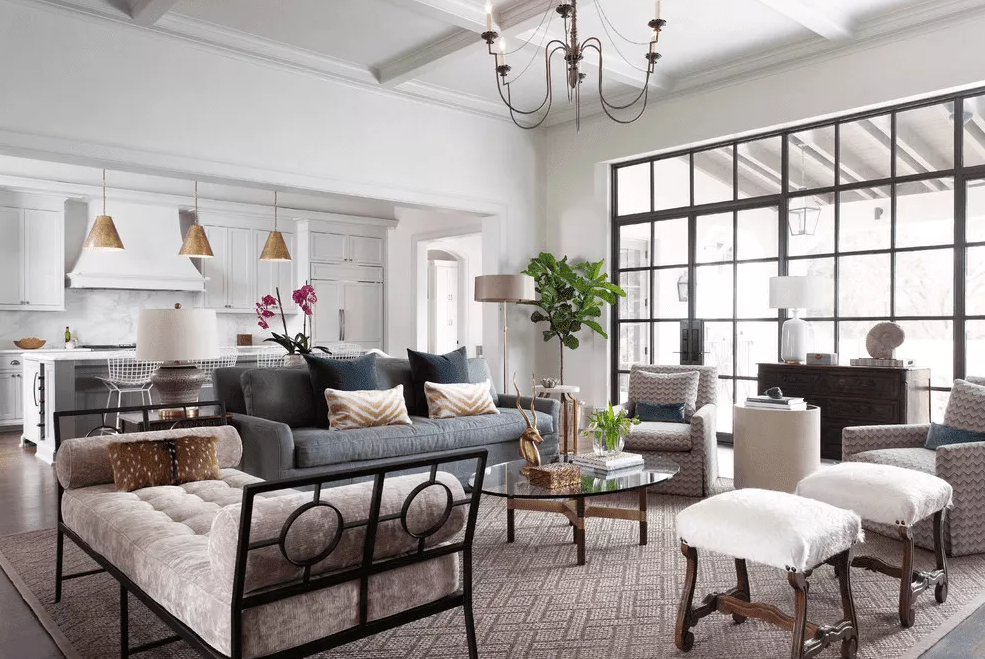
Transitional design bridges traditional and contemporary. It’s the style for people who want something that won’t look dated in five years.
The philosophy: Balance. Not too ornate, not too stark. Comfortable now, comfortable later.
Key characteristics:
- Neutral color palette with texture doing the heavy lifting
- Traditional furniture shapes in cleaner, simpler profiles
- Mix of materials (wood, metal, glass, stone) without any dominating
- Symmetrical arrangements balanced with organic accents
- Curves paired with straight lines
Materials: Wood, linen, wool, leather, stone, glass, brushed metals.
Colors: Beige, cream, gray, taupe, navy, sage. Pops of color are subtle and sophisticated.
Who it’s for: Homeowners who want longevity. People who like traditional comfort but don’t want their home to feel like their grandmother’s.
Japandi
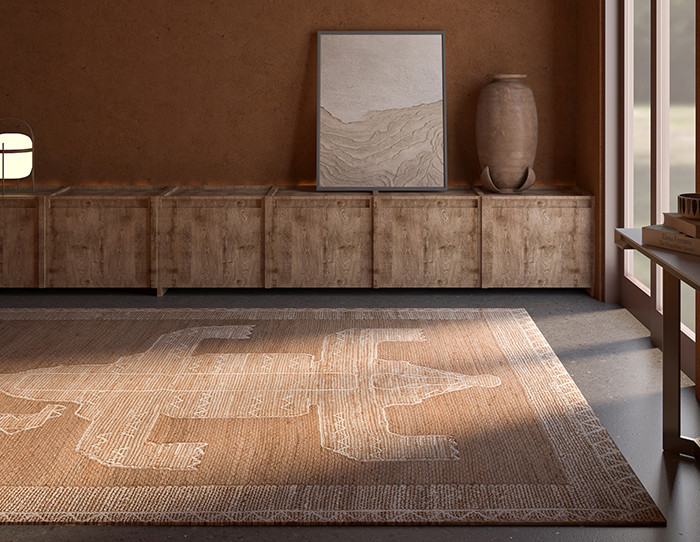
Japandi is the hybrid of Japanese minimalism and Scandinavian warmth. It’s emerged as one of the most influential styles of the 2020s.
The philosophy: Enough is enough. Quality over quantity. Space as a luxury.
Key characteristics:
- Low, simple furniture with clean lines
- Abundant negative space (nothing on surfaces)
- Natural light as a design feature, not just illumination
- Handcrafted objects with visible maker’s marks
- Wabi-sabi elements (imperfect, weathered, organic)
Materials: Bamboo, paper (shoji), light wood, stone, clay, linen, wool.
Colors: Warm neutrals, beige, cream, taupe, charcoal, soft black. Almost no saturated color.
Who it’s for: Zen seekers, quality-focused homeowners, people who find visual clutter genuinely stressful.
How to Choose Your Style
Start with how you want to feel. Calm and collected? Japandi or Scandinavian. Energized and creative? Bohemian or Mid-Century Modern. Grounded and sturdy? Industrial or Farmhouse.
Work with your architecture. A Victorian townhouse will fight Industrial. A concrete loft will fight Farmhouse. Let the building guide you.
Test before committing. Use paint samples, borrow furniture (many companies offer rental programs), and live with decisions before you scale up.
Mix intentionally. Most beautiful homes blend styles. The key is intentionality. Choose one dominant style (70%) and layer in one or two accents (30%). A Scandinavian room with a Mid-Century chair and a Bohemian rug isn’t confused. It’s collected.
The Bottom Line
Style is a tool, not a rulebook. The best interiors serve the people living in them, not the categories on a design blog. Use these descriptions as starting points, not prescriptions. Your home should feel like you. The rest is just vocabulary to help you get there.
About the Author

Peter Makeshoff
Peter Makeshoff is the founder and main author of Designer Daily.