
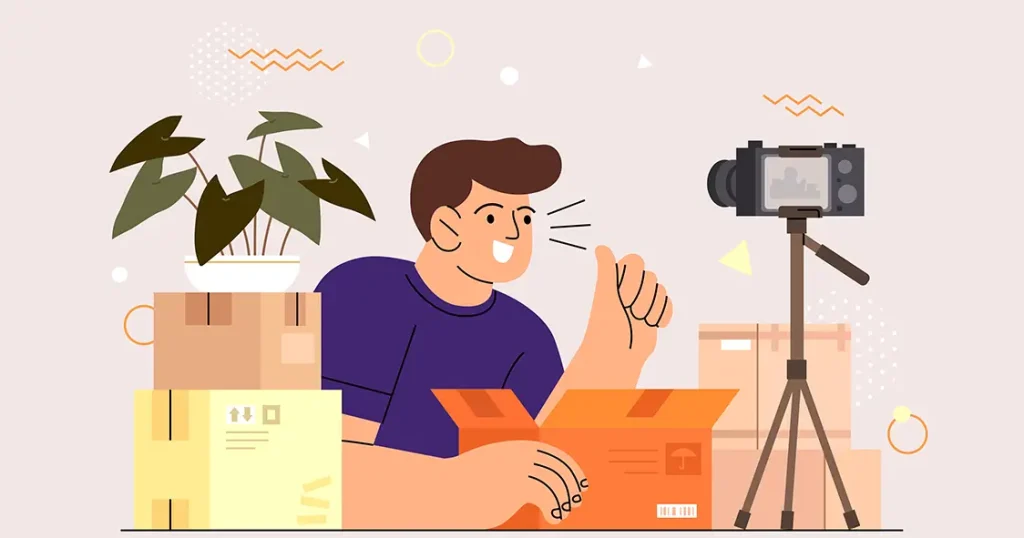
A product launch video has one job: make people want something they do not yet have. The product may still be in development. The release date may be months away. The features may not be finalized. None of that matters. The video must create anticipation, desire, and urgency.
Here is how to use motion design to build hype before a product even exists.
The Pre-Launch Paradox
You are selling something that cannot be bought. Not yet. The viewer cannot add it to their cart, test drive it, or read reviews. All they have is the promise of what it will be. The video must make that promise irresistible.
This requires a different approach than traditional product videography. You are not demonstrating features. You are demonstrating a feeling. The speed of the interface. The satisfaction of the interaction. The status of ownership. These are emotional promises, not functional claims.
The Three-Act Structure
A product launch video follows a tight narrative arc.
Act One: The Problem. Establish the frustration, inefficiency, or limitation that current solutions impose. Do not name competitors. Name the feeling. “You have been waiting long enough.” “Your creativity deserves better tools.” “The future should not feel this slow.”
Act Two: The Promise. Reveal your solution. Do not explain how it works. Show what it enables. Fast cuts of the product in use. A glimpse of the interface. A flash of the industrial design. The viewer does not need to understand the product. They need to want to understand it.
Act Three: The Invitation. Tell them what to do next. Sign up for updates. Join the waitlist. Pre-order now. The call to action is the only functional part of the video. Make it impossible to miss.
Motion as Metaphor
The way the product moves in the video communicates its personality before any text is read.
Fast, snappy motion suggests responsiveness, efficiency, and modernity. A product that animates with quick ease-in-out curves feels premium. A product that lags or stutters (even intentionally) feels dated.
Smooth, flowing motion suggests luxury, sophistication, and attention to detail. Long, elegant camera moves. Slow reveals. Soft transitions. This is the language of high-end automotive and fashion launches.
Energetic, chaotic motion suggests excitement, youth, and disruption. Rapid cuts. Kinetic typography. Unpredictable transitions. This appeals to audiences who are tired of polished, corporate communication.
Choose the motion language that matches the brand. Inconsistency between motion and message creates confusion.
Sound Design as Storytelling
Product launch videos are often watched without sound (social media autoplay) and with sound (website hero, presentations). Design for both, but prioritize the sound-on experience for the audience that matters most: investors, press, and committed fans.
The music sets the emotional baseline. A driving electronic track suggests urgency and innovation. A sweeping orchestral track suggests scale and importance. A minimalist piano track suggests intimacy and craftsmanship. Choose music before you storyboard. The visuals will follow the tempo.
Sound effects punctuate the motion. The click of a button. The slide of a hinge. The hum of a motor. These sounds are not realistic. They are heightened, designed to make the product feel tangible even on screen.
Silence is a tool. A sudden cut to silence before a reveal creates tension. A beat of silence after a dramatic statement lets the message land. Do not fill every moment with sound.
Reveal Techniques That Work
The moment the product appears on screen is the most important frame in the video. Do not waste it.
The slow reveal. The product is partially obscured by light, shadow, or another object. It slowly becomes fully visible. This works for products with beautiful industrial design.
The build reveal. The product appears in pieces, assembling as they move. A component flies in. Another attaches. The full product snaps into view. This works for products with modular design or complex engineering.
The context reveal. The product appears in use before the viewer realizes what they are seeing. A hand interacts with the interface. A car drives through a tunnel. The viewer understands the product by seeing what it does, not what it looks like.
The hero shot. The product fills the frame. Clean background. Dramatic lighting. No distractions. This works for products where the design is the primary differentiator.
Use one reveal technique per video. Multiple reveals compete with each other and diminish the impact of each.
Typography as Voice
Launch videos use text sparingly. Long sentences are not read. Short phrases are.
One idea per screen. “Introducing.” “The next generation.” “Available spring.” Each phrase appears alone, giving it weight.
Kinetic typography. Text that moves with the music. Words that scale, slide, or fade in rhythm. This keeps the viewer engaged even when they are reading.
Contrast is critical. White text on a dark background. Dark text on a light background. Never text on a busy background. The text is the message. Do not make the viewer work to find it.
The Teaser Campaign
One video is rarely enough. A teaser campaign builds anticipation over weeks or months.
Phase one: The mystery. Abstract visuals. No product visible. A date. A tagline. “Something is coming.”
Phase two: The hint. A partial reveal. The edge of the product. A silhouette. A single feature. “You have never seen anything like this.”
Phase three: The full reveal. The launch video. The product. The features. The price. The availability.
Each phase drives to a different call to action. Phase one: follow for updates. Phase two: join the waitlist. Phase three: pre-order now.
The Bottom Line
A product launch video is not a documentary. It is a promise. Do not explain everything. Do not show every feature. Do not answer every question. Leave them wanting more. The curiosity you create today is the purchase you close tomorrow.
Design for emotion first. Add information second. Use motion, sound, and typography to build anticipation. And remember: the best launch videos make people feel like they are missing out before the product even exists. That is the definition of hype.
About the Author
Peter Makeshoff
Peter Makeshoff is the founder and main author of Designer Daily.