
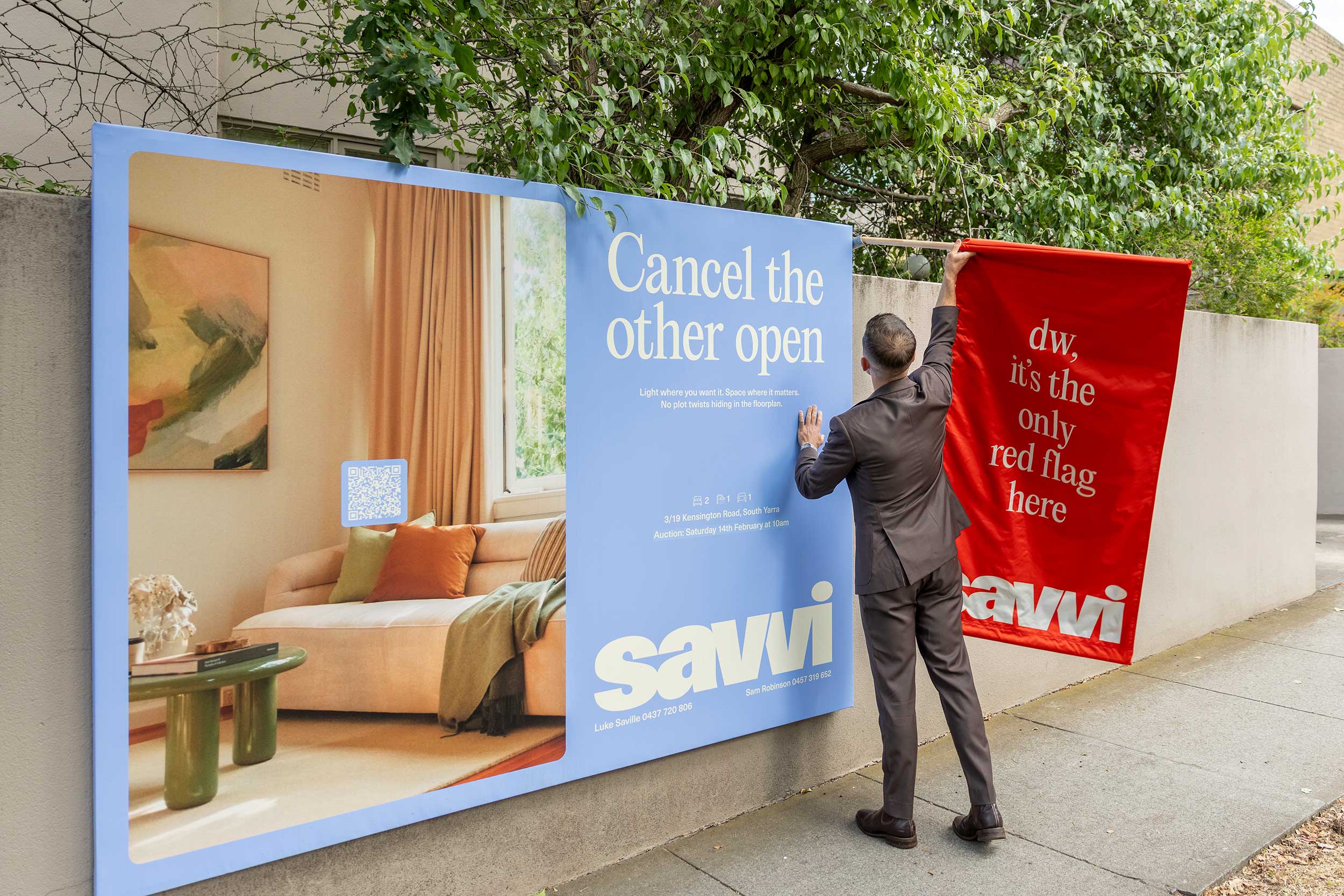
Real estate branding has changed dramatically. The days of flashy billboards, generic “Just Sold” postcards, and polished headshots dominating every bus stop are fading. In 2026, the agents and brokerages winning the market aren’t shouting louder, they’re listening better, telling better stories, and building referral engines that work while they sleep.
Here’s how to build a real estate brand that stands out in a crowded market.
The New Rules: What’s In and What’s Out
The agents growing fastest right now aren’t doing more, they’re doing what works now.
Photography Standards: Transparency Builds Trust
Photography is often the first interaction a potential client has with your brand. In 2026, that interaction comes with new legal requirements that directly affect your reputation.
California’s Assembly Bill 723, effective January 1, 2026, mandates that any digitally altered image used in real estate advertising must be labeled as such. The original, unaltered photo must be accessible within the same post or via a public link.
What this means for your brand:
Standard editing is still allowed, lighting adjustments, white balance, cropping, and exposure corrections are fine. These do not require disclosure. What does require disclosure? Adding or removing furniture, appliances, flooring, walls, paint colors, landscaping, or even streetlights and utility poles visible from the property .
Why does this matter for branding? A reputation for honest marketing is your most valuable asset. Buyers who walk through the door and find exactly what they expected become referrals. Buyers who feel misled become negative reviews. The line between “flattering” and “misleading” matters enormously for building long-term trust.
The brand opportunity: Position yourself as the agent who shows properties as they truly are. In a market where digital manipulation is common, honesty becomes your differentiation. A successful sale ends with the buyer walking through the doors of the home, not the photograph.
Signage Systems: The 24/7 Brand Ambassador
Your yard sign works for you every minute of every day. In 2026, the traditional yard sign has evolved into a digital engagement tool.
Oakley Signs recently partnered with Local Logic to transform standard real estate signage into interactive digital touchpoints through QR-enabled technology. Prospective buyers can instantly access neighborhood data, walkability scores, school information, lifestyle insights, and local market trends, directly from a property’s yard sign.
Why this matters for branding:
When you offer deeper neighborhood insights at the exact moment buyer interest is highest, you’re not just selling a house, you’re providing value. That value builds brand reputation. The data shows today’s buyers expect instant answers and deeper context.
Practical application: Every sign should include a QR code linking to a unique landing page for that property. Track scans. Follow up within minutes. The agent who calls while the buyer is still standing at the sign wins the conversation.
Bundle for consistency: Professional signage systems include consistent branding across yard signs, rider frames, directional arrows, and business cards. When all your marketing collateral shares the same visual language, you build recognition with every impression.
Direct Mail Design: What Still Works
Direct mail isn’t dead. But 80% of what agents mail is wasteful. The agents making money with direct mail in 2026 aren’t sending generic postcards to random zip codes. They’re targeting specific lists, using personalized design, and tracking every dollar.
Campaigns that still generate leads:
Just-Sold Postcards work when mailed to immediate neighbors, a 2-3 block radius, not the entire zip code. Those neighbors are curious about sale prices and more likely to be considering a move. Use the actual address and sale details: “478 Maple Ave Just Sold in 6 Days for $487,000.” Specificity signals insider knowledge.
Geographic Farming requires a 12+ month commitment to a tight farm of 300-500 homes, not 5,000. Mail every 6-8 weeks with useful local content, recent sales data, market trends, seasonal home tips. Smaller lists let you increase frequency and quality. The math works when your farm is tight and your frequency is high.
FSBO and Expired Mailers have the highest response rates when personalized. A generic “I can sell your home” template gets tossed. A personalized letter referencing their specific property gets read. Mail within 24 hours of expiration for expired listings. Reference their original list price and Days on Market. Offer a free CMA, not a sales pitch.
Design principles that get noticed:
Use oversized or odd-shaped mail, standard 4×6 postcards blend in with credit card offers. Go 6×9 or 6×11. Make it look personal, not corporate. Matte finish with handwritten-style fonts and a real stamp (instead of bulk mail indicia) increases open rates by 30% or more . Use a clear, single call to action: “Text HOME to 555-1234 for a free market report” or “Scan this QR code for instant home value” .
Tracking response rates:
Assign unique tracking phone numbers or QR codes to each campaign. Calculate cost per lead, not cost per piece. Benchmark cost per lead for real estate direct mail in 2026: $45-$85 for just-sold postcards, $60-$120 for farming campaigns, $30-$90 for FSBO/expired mailers.
The Referral Engine: Branding That Works Without Asking
Referrals are the lifeblood of a successful real estate career. According to the 2024 NAR Profile of Homebuyers and Sellers, 40% of all buyers found their agent through a referral, rising to 51% for first-time buyers. For sellers, the figure jumps to 66%. Most buyers and sellers only contact one agent before deciding.
Amy Stockberger’s team built a 90% repeat and referral business through a model called Lifetime Home Support. The approach has two financial pillars :
- The VIP Club: Clients get free, lifetime access to moving trucks, moving supplies, tools, and party equipment, all branded with the brokerage’s logo, making the brand omnipresent in the community.
- The Vendor Model: 110 local vendors pay the brokerage $3,500 annually to be part of the program, generating $385,000 in revenue. Vendors must give the brokerage access to their employees for events, which serves as a major referral lead source.
What this teaches about branding:
Your brand isn’t just your logo. It’s the experience you deliver after the sale. Stockberger’s model works because clients continue to interact with her brand through useful services, not just marketing messages.
Practical referral-building tactics:
- Host unique open house events, live music, local food vendors, or interactive features that make the property stand out
- Provide thoughtful extras: a curated neighborhood guide or a list of local favorites to help clients settle into their new community
- Celebrate milestones: a heartfelt “welcome home” package or an anniversary card one year after purchase
- Create custom “welcome home” drawings featuring their new property, clients share these on social media, tagging you organically
Authentic Marketing: The Shift Away from Perfection
For years, real estate marketing rewarded flash. Big production. Polished branding. Perfect lighting. That approach still has its place in true luxury markets, but for most agents, it’s no longer the differentiator it once was.
What wins now is authenticity.
The phone in your pocket today is as powerful as most cameras agents used five years ago. The real question isn’t how impressive your marketing looks, it’s whether it feels real. Does it reflect who you actually are? Does it match how you show up for clients in real life?
People don’t want perfection. They want connection.
Instead of highlighting a sale, highlight the story behind it. The family navigating downsizing after a child leaves for college. The buyers taking their first step into homeownership. When people recognize themselves in those stories, they begin to imagine you guiding them through a similar journey.
This also extends beyond transactions. Spotlight local businesses, new restaurants, community events, entrepreneurs in your market. When you consistently elevate others, attention and referrals come back to you organically.
Photography Checklist for Brand Consistency
The Bottom Line
Real estate branding in 2026 isn’t about the flashiest sign or the loudest campaign. It’s about consistency, authenticity, and building systems that deliver value at every touchpoint.
The agents who win are micro-famous in their chosen neighborhoods, not famous everywhere. They show properties honestly, earning trust before the transaction begins. Their signage engages buyers with useful information, not just phone numbers. Their direct mail targets specific lists with personalized design that gets opened. Their referral engines run on genuine service, not requests.
And their marketing tells stories that make the client the hero.
When your brand reflects the qualities people admire and rely on, they’ll have no hesitation in recommending you to others. Your goal isn’t to ask for referrals, it’s to make them inevitable.
About the Author

Peter Makeshoff
Peter Makeshoff is the founder and main author of Designer Daily.