
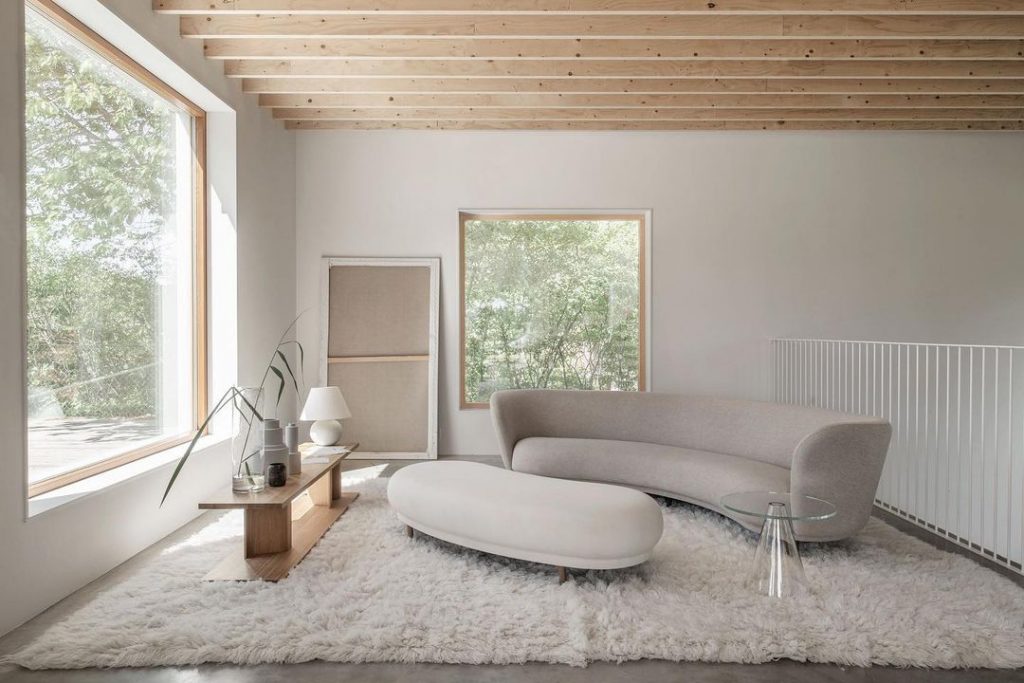
Scandinavian design has outlasted every trend of the past century. Minimalism faded. Maximalism had its moment. Industrial came and went. Yet the light woods, white walls, and functional forms of the Nordic aesthetic remain as sought after as ever. This is not a coincidence. It is not marketing. It is the result of a design philosophy built on genuine human needs rather than decorative whims.
Here is why the aesthetic endures and what other design movements can learn from it.
The Philosophy Beneath the Aesthetic
Scandinavian design is not about how things look. It is about how they function in a specific environment. The Nordic countries have long, dark winters and short, intense summers. Homes must feel bright when the sun barely rises and cozy when the wind howls outside.
The white walls are not a minimalist statement. They reflect scarce winter light into the room. The pale wood floors are not a trend. They keep interiors feeling warm without absorbing the little available daylight. The functional furniture is not a rejection of ornament. It is a response to small apartments and high heating costs.
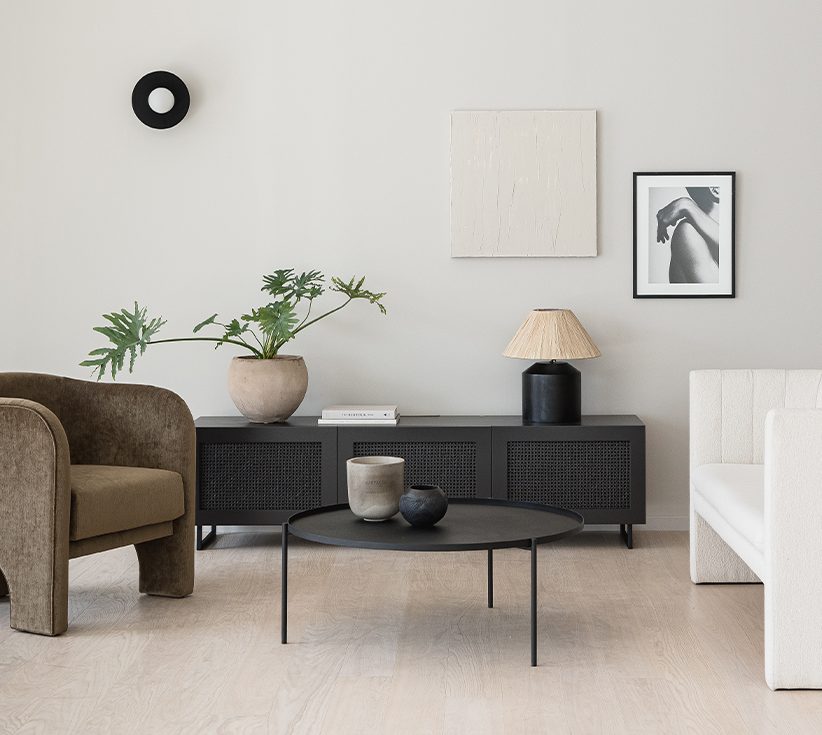
Form follows environment. This is the root of Scandinavian design, and it explains why the aesthetic translates so well to other climates. Everyone wants a home that feels bright, warm, and functional.
Light as a Material
In Scandinavian design, light is not just illumination. It is a building material. The white walls, large windows, and pale floors are all tools for manipulating daylight.
Matte white paint reflects light without creating glare. Glossy white paint creates hotspots that can feel harsh. The Scandinavian choice is almost always matte. It softens the light, scattering it evenly across the room.
Mirrors are placed opposite windows to double the incoming daylight. Not as decoration. As infrastructure. Wall sconces are positioned low, casting warm pools of light that mimic candle glow. Overhead lighting is rare and dimmable. The goal is layers of soft, warm light at human height, not a single blinding fixture on the ceiling.
This attention to light quality matters because it affects mood. A room that feels bright on a January afternoon is not just pleasant. It is emotionally sustaining.
The Role of Wood
Wood in Scandinavian interiors serves a specific purpose: thermal and visual warmth. White walls and pale floors are cool. Wood brings the temperature back up.
The wood is almost always light in color: beech, ash, birch, pine. These species have subtle grain patterns that add texture without competing with the room’s simplicity. The finish is matte or soap-finished, never glossy. Gloss would reflect light harshly. Matte absorbs and softens.
Wood appears where the body touches the room: floors, chairs, table tops, window sills. These are the surfaces that need to feel warm against the skin. Walls and ceilings are painted or plastered. The cold materials go where the body does not touch. The warm materials go where it does. This is not arbitrary. It is ergonomic.
Hygge: The Emotional Layer
Hygge (pronounced “hoo-gah”) is the Danish concept of cozy contentment. It is not a design style. It is a feeling that design supports. Candles, sheepskins, wool blankets, and warm drinks are all hygge technology.
Candles are particularly important. They provide the kind of low, flickering light that overhead fixtures cannot replicate. A Scandinavian home without candles feels incomplete. This is not sentimentality. It is an acknowledgment that emotional well-being requires specific environmental conditions.
The popularity of hygge outside Scandinavia is revealing. People everywhere crave calm, warmth, and comfort. The aesthetic that prioritizes these feelings will always have an audience.
The Swedish and Danish Difference
Swedish and Danish design share a common root but diverge in meaningful ways.
Swedish design is lighter, more minimalist, and more influenced by German Bauhaus. The palette is white, pale gray, and soft blue. Furniture is functional to the point of austerity. The Greta Grossman lamp is Swedish. So is the string shelving system. The aesthetic is restrained, almost academic.
Danish design is warmer, more organic, and more influenced by craft traditions. The palette includes deeper woods, warm beiges, and muted earth tones. Furniture is functional but sculptural. The Hans Wegner Wishbone Chair is Danish. So is the Arne Jacobsen Egg Chair. The aesthetic is inviting, almost indulgent.
Both are Scandinavian. Both are enduring. The difference is temperature. Swedish is cool. Danish is warm.
Why It Has Not Dated
The most remarkable thing about Scandinavian design is how little it has changed in a century. A 1925 Kaare Klint chair would not look out of place in a 2025 apartment. A 2025 IKEA cabinet would not look out of place in a 1950s photograph.
This stability comes from a focus on fundamentals. Good proportions do not age. Natural materials do not go out of style. Functional forms do not need updates. Scandinavian design is not chasing relevance because it was never about being current. It was about being correct.
Trends chase novelty. Scandinavian design chases timelessness. That is why one endures and the other fades.
Adapting Scandinavian Principles
You do not need to live in Stockholm to apply Scandinavian thinking to your work.
Ask what the environment demands. A home in Arizona needs different light handling than a home in Seattle. The principle of responding to context applies. The specific solutions will differ.
Prioritize warmth in places the body touches. Comfort should be tactile, not just visual. Cold materials look sleek. Warm materials feel like home.
Use light as infrastructure, not decoration. The fixtures are secondary. The quality and placement of illumination come first.
Remove what does not serve a function. Scandinavian design is not minimal for the sake of minimalism. It is minimal because unnecessary objects compete with necessary ones. Every item should earn its place.
The Bottom Line
Scandinavian design endures because it solves real problems. Dark winters require bright interiors. Cold climates require warm materials. Small spaces require functional furniture. These constraints are not limitations. They are the conditions that produced a timeless aesthetic.
The world has not stopped needing light, warmth, and function. So Scandinavian design has not stopped being relevant. Learn its principles. Apply them to your context. The results will outlast any trend.
About the Author

Peter Makeshoff
Peter Makeshoff is the founder and main author of Designer Daily.