
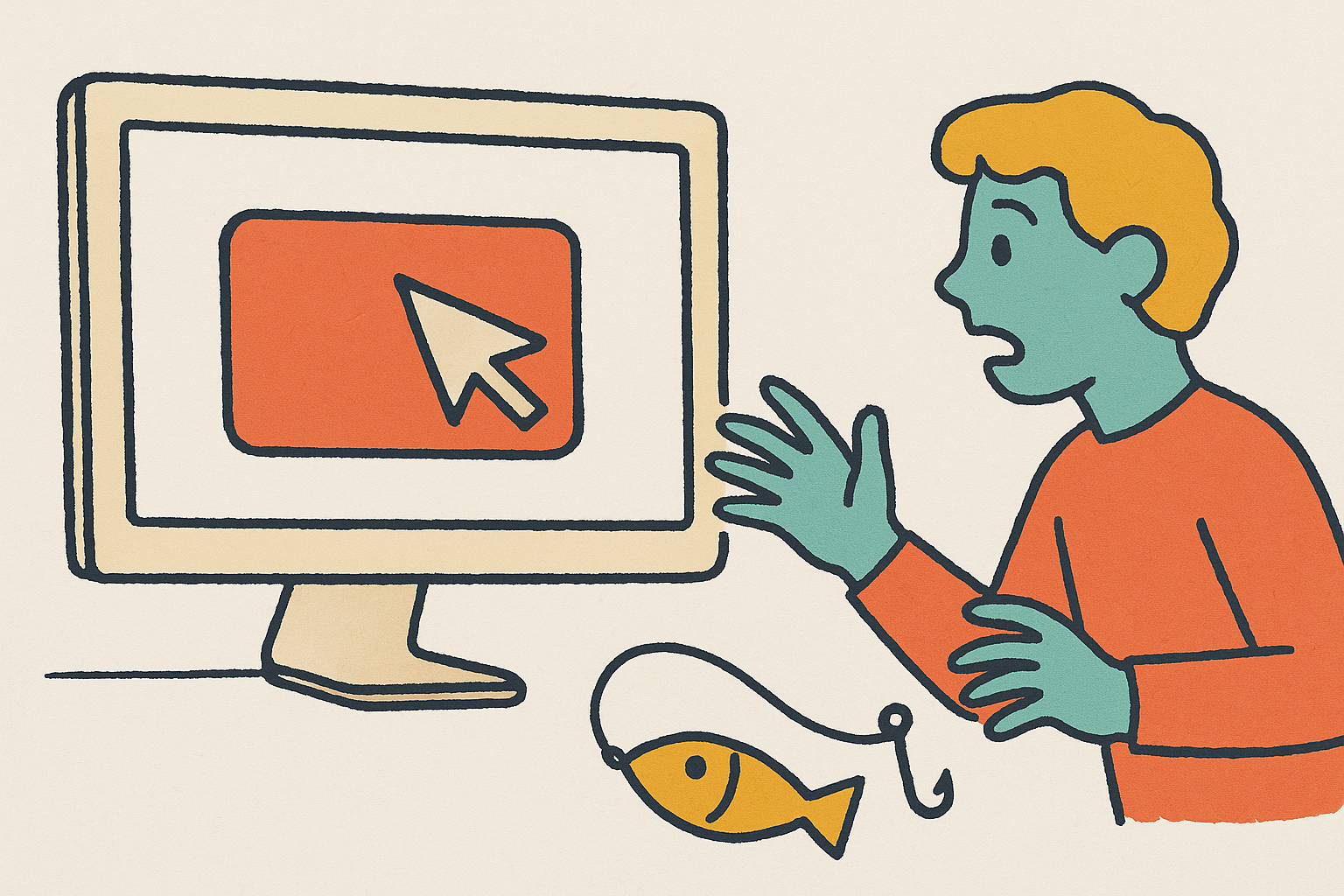
In the world of digital design, every click, swipe, and tap is the result of careful orchestration. We arrange elements, craft flows, and choose words not just to inform, but to influence. This is the realm of persuasive design, where psychology meets pixels to guide user behavior. But as designers wield increasing power over attention and action, a critical question emerges: When does helpful guidance become harmful manipulation?
The Spectrum of Influence: From Nudge to Shove
Let’s establish a spectrum. On one end, we have ethical persuasion: design that helps users achieve their goals while respecting their autonomy. On the other, dark patterns: design choices that trick users into actions they didn’t intend, benefiting the business at the user’s expense.
The philosophical line between them is thin but significant. It’s the difference between a librarian suggesting a book and a pickpocket distracting you while stealing your wallet.
The Ethical Nudge: Helpful Guidance
Ethical persuasive design operates on principles of transparency, benefit, and respect. These are the practices that constitute “good” UX:
1. The Roach Motel Principle (Made Positive)
The Original Sin: “Easy to get into, hard to get out of”think of subscriptions that are simple to start but require phone calls during business hours to cancel.
The Ethical Flip: “Easy in, easy out.” Streaming services like Netflix let you cancel with the same ease you subscribed. This builds long-term trust rather than trapping users through friction.
2. Defaults as Gentle Suggestions
Defaults are incredibly powerful, as people tend to stick with pre-selected options. The ethical question is: whose interests do they serve?
Manipulative: Pre-checked boxes for expensive insurance add-ons or newsletter subscriptions users don’t want.
Ethical: Apple’s App Tracking Transparency feature defaults to “Ask Apps Not to Track”, prioritizing user privacy over advertising revenue.
3. Social Proof Without Pressure
Showing what others are doing can guide decisions helpfully.
Manipulative: “15 people are looking at this hotel room right now!” (when they’re not) creating artificial scarcity.
Ethical: “Most popular” badges based on actual purchase data, helping users make informed choices without fabricated urgency.
The Dark Patterns: When Persuasion Becomes Coercion
Dark patterns exploit cognitive biases intentionally. Here’s where the line is clearly crossed:
1. Confirmshaming
Language that guilts users into an action: “No thanks, I’d rather waste money” instead of a simple “No, thanks.”
2. Privacy Zuckering
Named after Facebook’s CEO, this involves tricking users into sharing more information than they intended through confusing privacy settings.
3. Bait and Switch
The interface promises one thing but delivers another. Remember when Windows 10 updates would change the “X” button’s function from “cancel” to “agree to update now”?
4. Forced Continuity
Charging users for a renewal without clear reminders, then making cancellation difficult.
The Philosophical Framework: Three Guiding Questions
How do we navigate this gray area? Ask these questions during design reviews:
1. The Transparency Test
“Is the value exchange clear and honest?” If users understood exactly what they’re getting and giving up, would they still proceed? Dark patterns thrive on obscured information.
2. The User Benefit Test
“Who primarily benefits from this design choice: the user or the business?” Ethical persuasion creates alignment: when users win, the business wins. Dark patterns create conflict: business wins at user expense.
3. The Reversibility Test
“Can users easily change their mind?” Ethical design respects autonomy by making exits as clear as entrances. Manipulative design creates one-way doors.
Case Study: The Cookie Consent Paradox
The GDPR’s “cookie consent” requirement perfectly illustrates this tension. Many websites have turned what should be transparency into manipulation:
- Ethical: Clear options with equal visual weight for “Accept” and “Reject”
- Manipulative: Brightly colored “Accept All” button with gray, barely visible “Reject” option, sometimes buried in “Customize Settings”
The very regulation designed to empower users has been subverted into a dark pattern testing ground.
The Responsibility Equation
As designers, we operate under a fundamental responsibility equation:
Our Power Over Attention × Our Understanding of Psychology = Our Ethical Responsibility
The more sophisticated our methods of influence become, the greater our duty to wield them ethically. This isn’t just philosophical, it’s practical. Users burned by dark patterns develop “banner blindness,” ad-blockers, and subscription phobia that hurt ethical businesses too.
Toward Ethical Persuasion: A Manifesto
- Prioritize long-term trust over short-term conversion: manipulation might boost metrics today but destroys loyalty tomorrow.
- Design for the most vulnerable users: if your design wouldn’t trick your grandmother, it’s probably ethical.
- Create value alignment: find solutions where business goals and user needs genuinely intersect.
- Embrace radical transparency: be clearer than necessary about costs, commitments, and data usage.
- Establish ethical design reviews: make “would this feel manipulative?” a standard criterion in your design process.
The Path Forward: Designing with Conscience
The most profound shift occurs when we stop asking “How can we make users do X?” and start asking “How can we help users accomplish what they want to do?”
Consider Duolingo’s gamification: it uses streaks, notifications, and rewards to encourage learning, a goal users already have. Contrast this with mobile games designed explicitly to trigger compulsive spending on loot boxes, exploiting psychological vulnerabilities.
The line between persuasion and manipulation isn’t just about techniques, it’s about intent. Are we helping users become who they want to be, or are we exploiting psychological quirks for corporate gain?
In an age where digital interfaces mediate more of our lives each day, ethical design isn’t a nice-to-have, it’s our professional obligation. The most persuasive design isn’t what tricks users once, but what earns their trust repeatedly.
About the Author

Peter Makeshoff
Peter Makeshoff is the founder and main author of Designer Daily.