
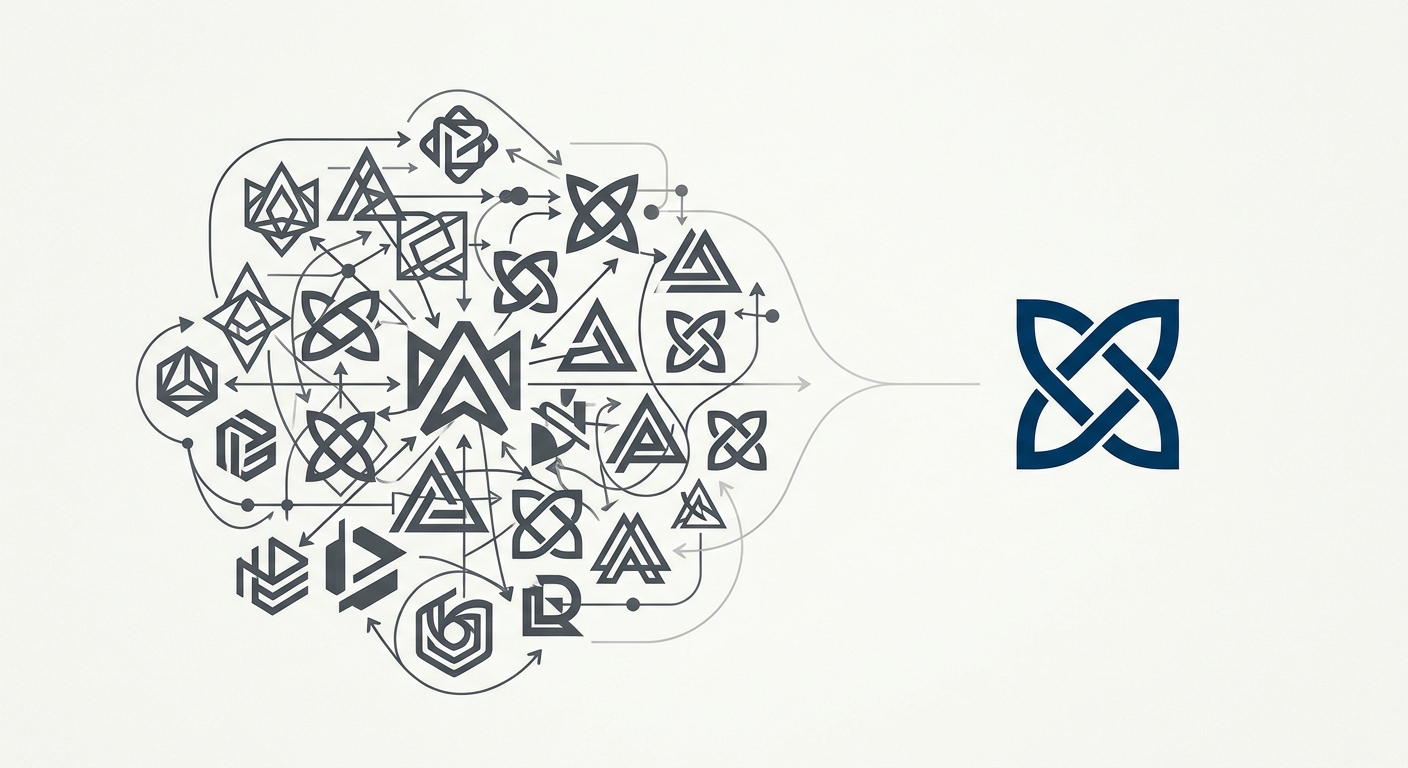
Every designer has a war story about a logo project that seemed to go on forever. Endless rounds of revisions, countless versions, and a client who was never quite satisfied. And then there are the rare projects that click into place almost immediately. The first sketch is the final sketch. The client says yes before you finish presenting. The difference is not luck. It is the alignment of client, designer, and brief.
The Logo That Took 100 Iterations
The project started with a brief that was ambitious but vague. The client wanted a logo that would “capture their values” and “stand out in a crowded market.” They did not know what those values were, or what “standing out” looked like to them. They wanted the designer to “figure it out.”
The designer produced a series of options. The client rejected them. The designer asked for more direction. The client gave vague feedback: “It’s not quite right,” “Make it pop,” “I’ll know it when I see it.” The designer produced more options. The client rejected them. The cycle repeated.
The problem was not the designer’s skill. It was the brief. Without a clear direction, the designer was guessing. Without a shared vision, the client could not agree. The iterations multiplied, and the project stalled.
The Logo That Took 2 Iterations
The second project started with a different approach. The designer spent the first meeting asking questions: What does your company do? Who is your audience? What do you want people to feel when they see your logo?
The client had answers. They had a clear vision of their brand, their market, and their goals. The designer took that vision and translated it into a few initial sketches. The client saw the first one, and they knew it was right. The designer refined it, and the project was done.
The difference was the brief. The client had done the work of clarifying their vision. The designer did the work of translating it. The iterations were minimal because the alignment was complete.
The Lesson
The difference between the two projects was not luck. It was preparation. The client who had done the work, who had clarified their vision, who had a clear sense of what they wanted, made the process easier. The designer who had the discipline to ask the right questions, to guide the client toward clarity, made the process more efficient.
The Bottom Line
The logo that takes 100 iterations is not a failure of design. It is a failure of the brief. The logo that takes 2 iterations is not a stroke of luck. It is the result of clarity, alignment, and collaboration.
Clients are not wrong when they cannot articulate their vision. They are simply not ready. The designer’s job is to help them get ready, to guide them toward clarity, to ask the questions that will lead to a shared vision. The designer who does not do this is the designer who will spend months on a project that should have taken weeks. The designer who does do this is the designer who will deliver a logo that the client loves on the first try.
The logo that took 100 iterations is a cautionary tale. The logo that took 2 is a template for the future. The brief is not a formality. It is the foundation. Get it right, and the iterations will follow. Get it wrong, and nothing else matters.
About the Author
Peter Makeshoff
Peter Makeshoff is the founder and main author of Designer Daily.