
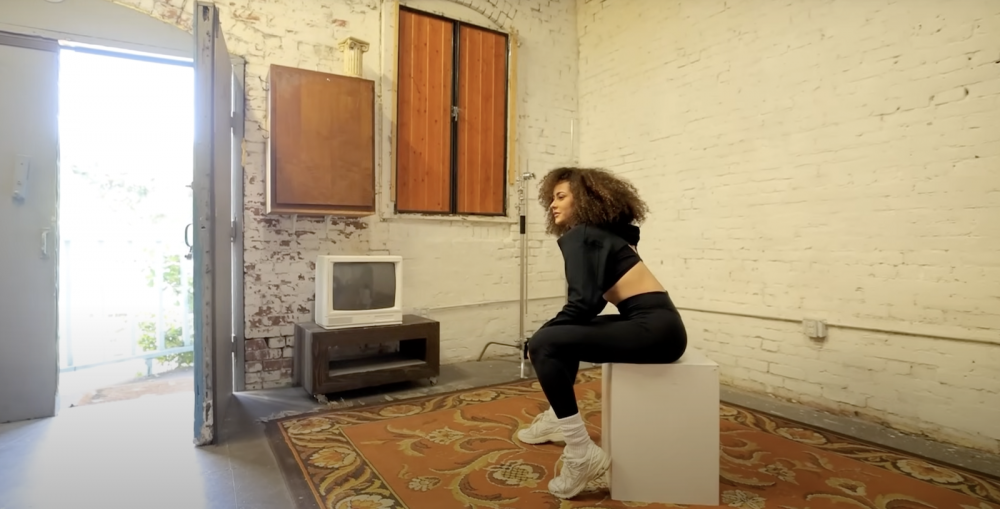
Studio light is controllable. It is predictable. It can be shaped, diffused, bounced, and directed with absolute precision. It is the tool of the professional, the foundation of the product shot, the portrait, the catalog image. Natural light is none of these things. It shifts. It surprises. It refuses to cooperate. And yet, it knows something that studio light can never fully replicate: the truth of a moment.
The Predictability Trap
Studio light is designed for consistency. A softbox produces the same quality of light every time. A strobe fires at the same intensity, the same color temperature, the same duration. This predictability is valuable. It allows photographers to produce reliable results at scale. It allows brands to maintain a consistent visual identity across thousands of images.
But predictability has a cost. When every image is lit the same way, every image begins to feel the same. The light becomes invisible. It stops being a creative element and becomes a technical requirement. The images are clean, professional, and utterly forgettable.
The Intelligence of Natural Light
Natural light is unpredictable. It changes from minute to minute. A cloud passes. The sun shifts. The color temperature drifts from warm to cool. This unpredictability is not a flaw. It is the source of natural light’s intelligence.
Natural light responds to the world. It filters through leaves, creating dappled patterns that no studio setup can replicate. It bounces off colored surfaces, picking up subtle tints that add depth and context. It creates shadows that are soft, gradual, and full of nuance. It tells the story of the place and the moment.
A portrait shot in natural light carries the memory of the location. The window that framed the subject. The time of day. The weather. The mood of the room. These details are embedded in the light itself. Studio light erases them. Natural light preserves them.
The Emotional Quality
The emotional difference between studio and natural light is profound. Studio light is neutral. It is designed to flatter without distracting. It removes the subject from the world and places it in a controlled environment.
Natural light is emotional. It is warm at sunrise, harsh at noon, golden at sunset, blue in the shade. Each quality of light carries its own emotional register. A portrait shot in the soft light of an overcast day feels contemplative. The same portrait shot in the harsh light of direct sun feels confrontational. The light is not just illuminating the subject. It is commenting on it.
This is what studio light cannot replicate. It can simulate the color temperature of golden hour. It can diffuse light to mimic an overcast day. But it cannot replicate the context. The viewer knows, on some level, that the light is artificial. The emotional register is borrowed, not earned.
The Case for Constraint
Working with natural light is an exercise in constraint. You cannot control the sun. You can only position yourself, your subject, and your reflectors to make the most of what is available. This constraint forces creativity. It forces you to see the light, to understand it, to work with it rather than against it.
Studio photographers control the light. Natural light photographers collaborate with it. The collaboration is unpredictable, frustrating, and often produces results that no amount of planning could have anticipated. The best natural light photographs are not planned. They are discovered.
The Bottom Line
Studio light is a tool. Natural light is a teacher. It teaches patience, observation, and humility. It teaches that the best light is not the light you create. It is the light you find.
The studio photographer who learns to see natural light becomes a better studio photographer. They understand the qualities that make light compelling. They know when to replicate those qualities and when to let the light be what it is.
Natural light knows what studio light cannot: that light is not just illumination. It is context. It is mood. It is time. It is the world. And the images that capture it are richer for it.
About the Author
Peter Makeshoff
Peter Makeshoff is the founder and main author of Designer Daily.