
For decades, office furniture followed a predictable formula. A desk was a work surface. Storage lived in separate cabinets. Furniture was expected to perform a function, occupy a space, and remain largely unnoticed. While architecture and interior design continued to evolve, office furniture often remained focused on practicality, efficiency, and cost.
That mindset is beginning to change. Across design-led workplaces in cities such as Dubai, Abu Dhabi, London, and New York, furniture is increasingly being viewed as part of a space’s architectural identity rather than simply an object placed within it. This shift is influencing architects, interior designers, and manufacturers alike, with companies such as Urban 411 office furniture exploring executive workspaces through structural forms, integrated storage, and architectural detailing that blur the line between furniture and built environments.
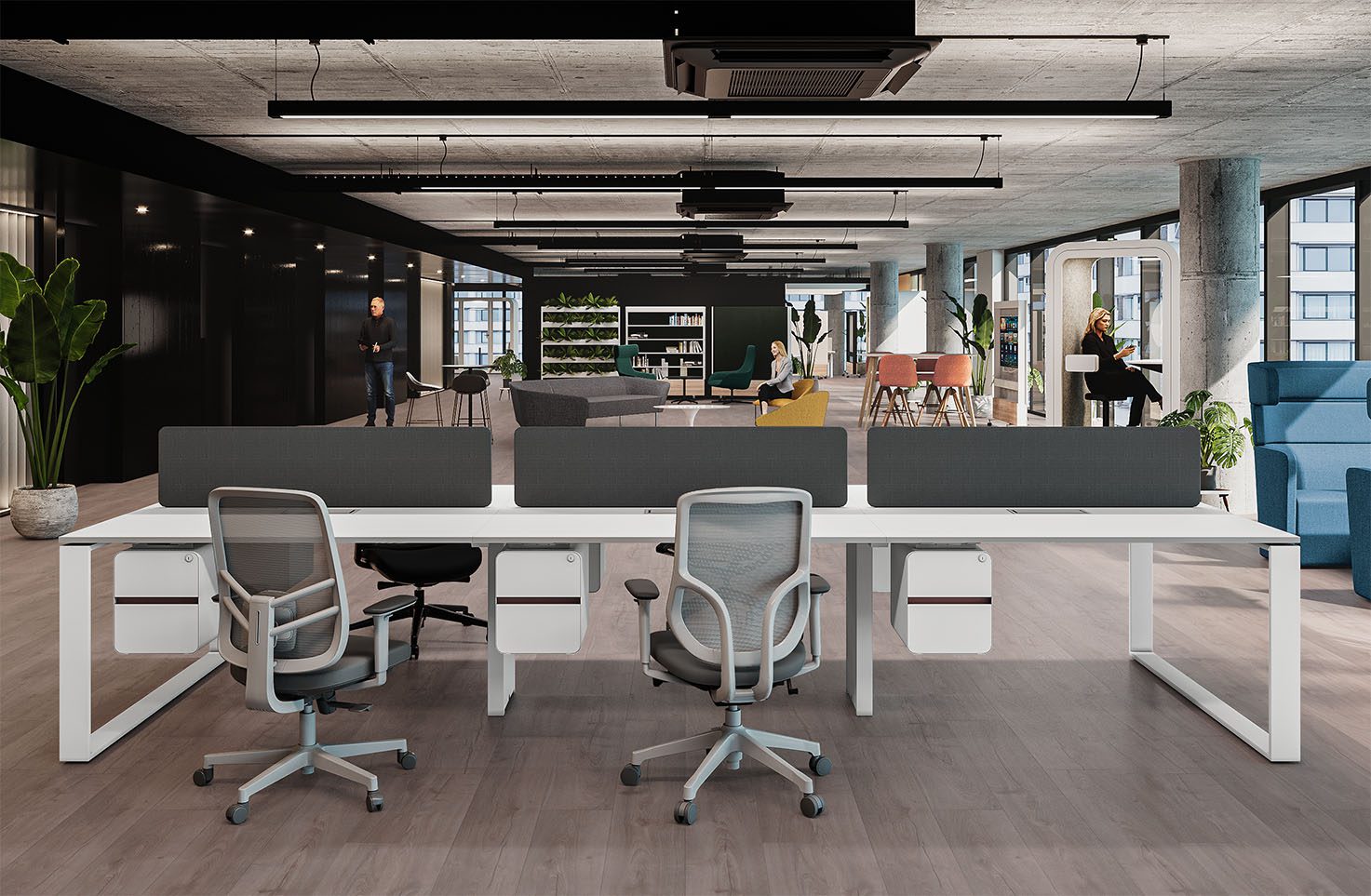
Furniture Is No Longer Just Filling Space
The most noticeable change is that furniture is starting to shape spaces rather than merely occupy them.
Traditionally, office design followed a simple sequence. Architects designed the building, interior designers planned the space, and furniture was selected later to fit the available floor plan. Today, that process is becoming more interconnected.
Designers are increasingly considering furniture as part of the overall composition from the beginning. Storage systems are integrated into walls. Workstations influence circulation. Executive desks establish visual hierarchy within a room. Furniture is becoming a design element that contributes to the architecture itself.
This shift reflects a broader movement toward creating workplaces that feel intentional rather than assembled.
Why Simplicity Requires More Design
Minimalism has dominated workplace design for more than a decade.
Open-plan layouts, neutral colours, and modular systems created cleaner and more flexible environments. However, as more offices adopted similar aesthetics, many workplaces began to feel interchangeable.
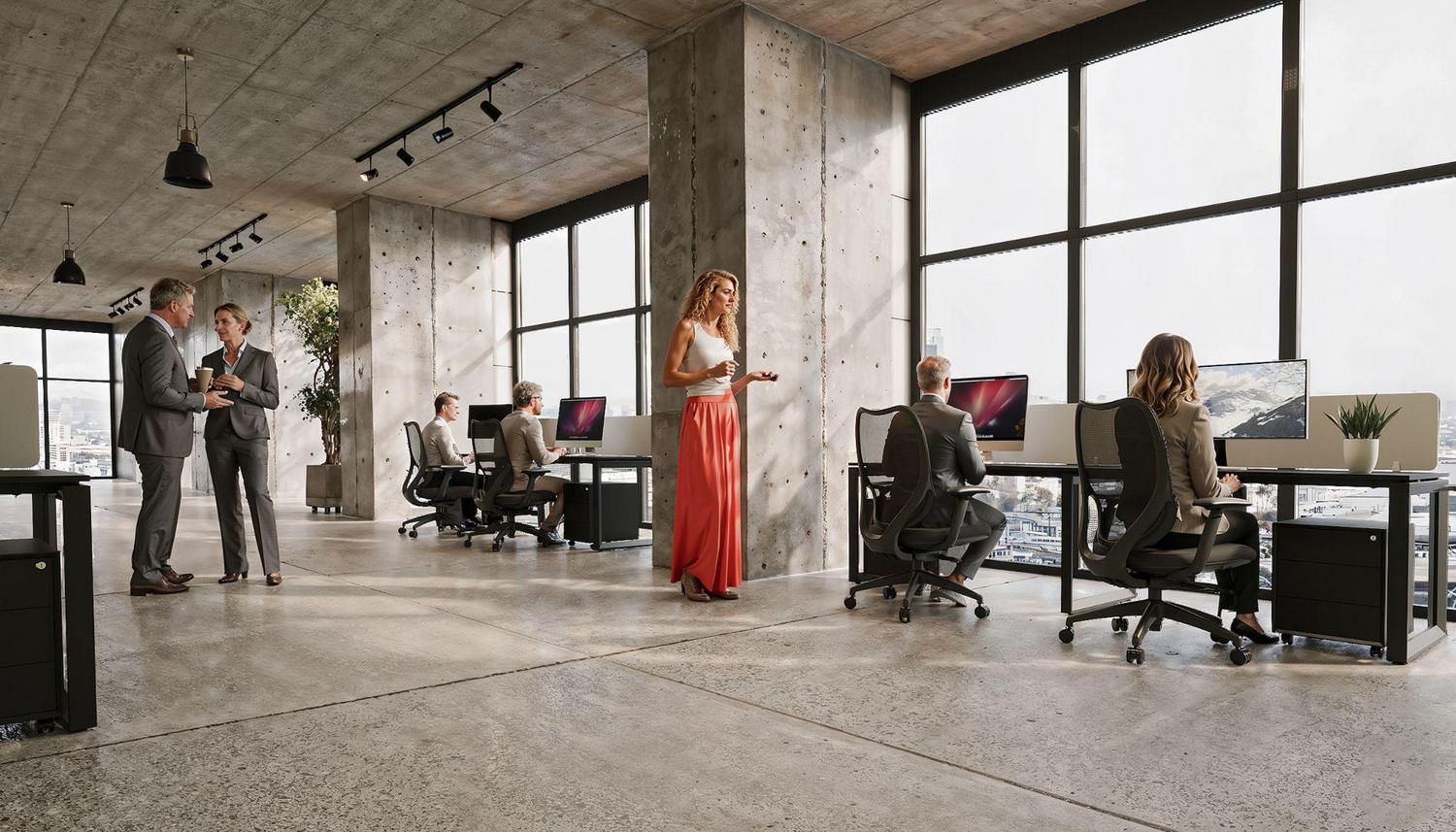
Designers responded by focusing on qualities that create a stronger sense of identity.
Instead of adding decorative elements, they began paying closer attention to proportion, materiality, craftsmanship, and structural expression. These are principles often associated with architecture rather than traditional office furniture.
The result is a new generation of workplace products that feel more permanent, more considered, and more connected to their surroundings.
The Rise of Architectural Furniture
Architectural furniture is not defined by a particular style.
Instead, it is characterised by how it interacts with a space.
These pieces often share several common qualities:
Structural Presence
Rather than relying on decorative features, they create visual impact through form and proportion.
Integrated Functionality
Storage, technology, and organisation become part of the design rather than separate additions.
Material Honesty
Natural materials, refined finishes, and visible craftsmanship play an important role.
Spatial Influence
The furniture contributes to the overall experience of a room rather than existing independently from it.
The best examples often feel as though they were designed specifically for the space they occupy.
A Contemporary Example: The Gravita Executive Desk
One example of this architectural approach can be seen in the Gravita Executive Desk by Urban 411.
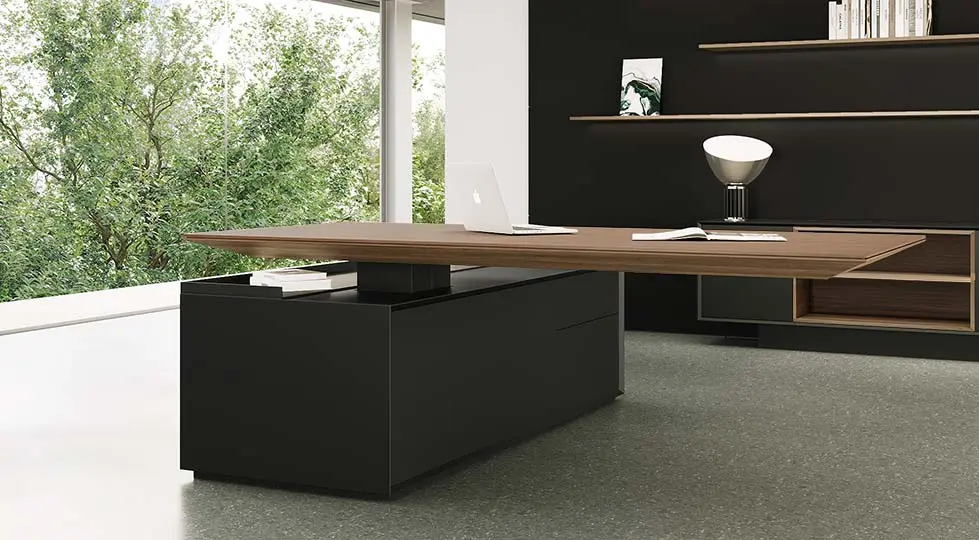
Rather than relying on visual mass to communicate authority, the design uses a suspended structure that creates a floating appearance. This single decision dramatically changes how the desk interacts with its environment.
Traditional executive desks often dominate a room through size and weight. Gravita achieves presence differently. Its floating form creates openness beneath the work surface, reducing visual heaviness while maintaining the scale expected from executive furniture.
The desk feels less like an object placed inside an office and more like a component of the interior architecture itself.
Materiality as a Design Language
Architectural design often relies on contrasts between materials to create visual interest.
The Gravita desk follows a similar approach.
A natural walnut veneer work surface introduces warmth, texture, and organic character. This is balanced by black lacquered structural elements that provide precision and visual definition.
The combination creates a dialogue between natural and engineered materials, reflecting a design language commonly seen in contemporary architecture and high-end interiors.
Even small details contribute to the overall experience. Bevelled edges soften the profile while protective edge finishes ensure durability without compromising aesthetics.
Designing Systems Rather Than Products
Perhaps the strongest architectural quality is not the desk itself but how it functions as part of a larger system.
Architects rarely think about individual objects in isolation. They think about relationships between elements.
This same philosophy is becoming increasingly common in furniture design.
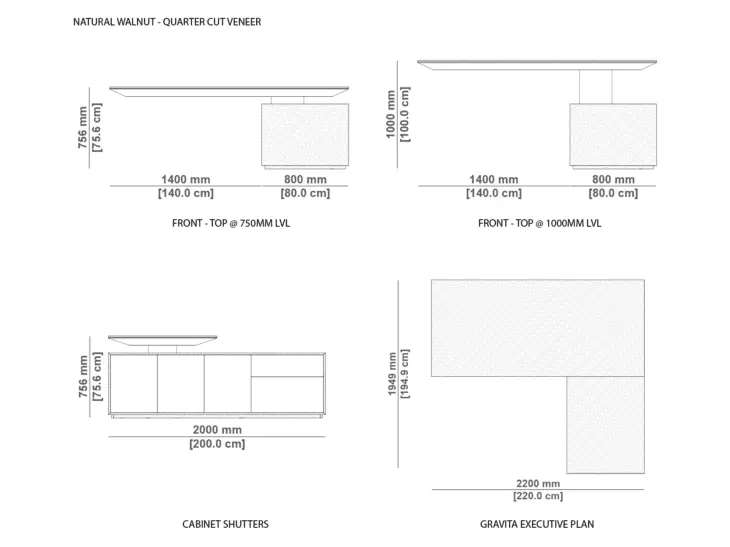
In the Gravita collection, storage is integrated directly into the structure through a coordinated side cabinet rather than added as a separate component. Technology features such as wireless charging, concealed cable management, and programmable height-adjustable functionality are incorporated seamlessly into the design.
Nothing appears unnecessary.
Every element serves a purpose while contributing to the overall composition.
Why This Matters for Workplace Design
Workplaces are changing rapidly.
Hybrid work, evolving employee expectations, and increasing attention to workplace experience have encouraged businesses to think differently about office environments.
As companies invest in smaller but higher-quality spaces, every design decision carries greater importance.
Furniture is no longer expected to simply support work. It is expected to contribute to culture, identity, comfort, and experience.
This is one reason architectural furniture is gaining attention among designers and workplace planners. It helps create environments that feel intentional, cohesive, and distinctive.
The Future of Office Furniture
The future workplace will likely contain fewer objects, but those objects will carry more responsibility.
Furniture will need to integrate technology, support wellbeing, adapt to changing work styles, and contribute to the visual character of a space. Products that achieve this balance will increasingly resemble architecture in both their design process and their impact.
The distinction between furniture and architecture may never disappear completely, but it is becoming increasingly difficult to separate the two.
Final Thoughts
The most interesting developments in workplace design are no longer happening solely at the architectural scale. They are happening at the intersection of architecture, interiors, and furniture.
As designers continue to create more thoughtful and experience-driven environments, furniture is becoming a critical part of the conversation. From integrated storage systems to floating executive workstations and carefully considered material palettes, today’s best designs contribute to the identity of a space rather than simply occupying it.
This evolution is reshaping expectations around executive office furniture, where craftsmanship, architectural thinking, and functional performance increasingly work together to create workplaces that feel both purposeful and enduring
About the Author

Peter Makeshoff
Peter Makeshoff is the founder and main author of Designer Daily.