
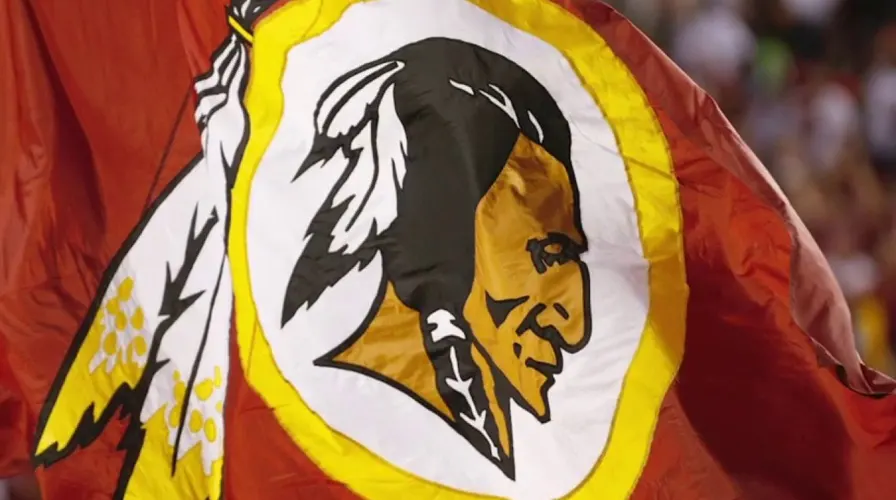
For a brand, a mascot is one of the most powerful visual assets it can own (but not always). It is a symbol of identity, a shortcut to recognition, and often a vessel for customer affection. When handled correctly, it becomes inseparable from the brand itself. When handled poorly, a mascot can transform from an asset into a very expensive liability .
The question is not whether a mascot can become a problem, but how. Mascots become liabilities when their meaning becomes contested, or when the actions taken to protect them generate more resentment than the protection is worth.
Cultural Misalignment: When “Pride” Becomes “Offense”
The most intractable liability occurs when a mascot’s meaning is fundamentally contested by a significant group of people. The long-running controversy over Native American mascots in American sports is a powerful example. Supporters often frame the mascot as a “point of pride, something to rally around” . To them, it is a symbol of honor.
However, to many Native Americans and their allies, the same images are seen as degrading racial stereotypes. The “Redskins” mascot, for instance, has been described by opponents as a “dictionary-defined racial slur designed from the beginning to promote hatred and bigotry” . This is not a minor disagreement about aesthetics; it is a fundamental dispute about identity and respect. This type of conflict can persist for decades, draining brand goodwill, alienating customers, and leading to legal and political pressure . In these cases, the mascot doesn’t just fail to be a unifying force; it becomes a symbol of division and controversy.
Aggressive Enforcement: The Legal Landmine
A mascot can also become a liability through the actions taken to defend it. Buc-ee’s, the Texas-based convenience store chain famous for its buck-toothed beaver mascot, provides a textbook case of this in 2026.
Buc-ee’s has a history of aggressively enforcing its trademark against other businesses using cartoon animal logos, including a moose, an alligator, and a bear . The strategy is simple: clear the field around a valuable mascot to prevent any “confusion” .
The trouble began when Buc-ee’s filed a federal trademark lawsuit against Beaver’s Mini Mart in Beavercreek, Ohio. The chain argued the small shop’s smiling beaver logo was too similar to its own brand . However, the two logos look quite different: Buc-ee’s beaver has buck teeth and wears a red cap, while Beaver’s beaver is a full-body, unclothed mascot .
The legal argument is one thing; the public perception is another. The backlash was immediate and severe, becoming a “full blown public relations headache” . A GoFundMe campaign for the mini mart’s legal fees raised tens of thousands of dollars . A local bakery sold cookies with the mini mart’s logo on them . A city council passed a resolution recognizing the beaver as part of the city’s history .
The outrage was framed by a stark sense of injustice. A massive national corporation, just one of its new Ohio locations boasting 74,000 square feet and 100 gas pumps, was seen as picking on a local family-run carryout . The local shop’s defense, a blunt “A moose is not a beaver” against a previous lawsuit, captured the sentiment . This was not seen as legitimate brand protection; it was perceived as bullying.
What Happens When Mascots “Die”
A different kind of liability can emerge from a deliberate attempt to create buzz. When Planters killed off Mr. Peanut in 2020 and Duolingo did the same with Duo the Owl in 2025, the stunts generated massive engagement . However, it is a high-risk strategy. It requires a brand personality and audience that can handle such edgy content .
For many mascots, there simply isn’t the deep emotional attachment to make the “death” feel like a significant cultural event. When the attachment is shallow, the stunt just feels like a cheap grab for attention, risking brand dilution rather than generating a conversation. As one expert noted, the “legend” of Duo the Owl only works because it’s already part of a bigger pop culture conversation .
The True Liability: The “Why”
Ultimately, a mascot becomes a liability when the meaning it holds for your audience clashes with the meaning it holds for you. The central conflict in the Buc-ee’s case is exactly this clash of meaning. Buc-ee’s views the lawsuit as standard brand protection, a legal necessity to defend its “valuable” logo . The people of Beavercreek see a national corporation attacking a “neighborhood business whose name and mascot reflect the community where it operates” . To the community, the beaver symbol is connected to local relationships and a proud history .
The legal case will be decided by a judge or jury on legal merits. But the court of public opinion has already ruled, and it found the mascot’s enforcement to be a liability. This mismatch, treating a symbol of local identity as a corporate asset to be legally defended, is what turns a mascot from a friend into a foe.
About the Author
Peter Makeshoff
Peter Makeshoff is the founder and main author of Designer Daily.