
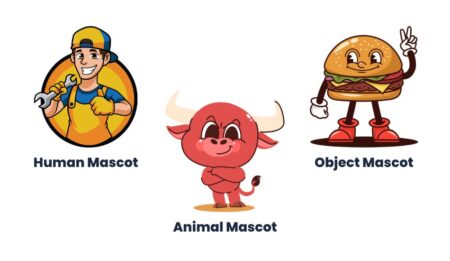
A mascot is a temptation. It is cute, memorable, and fun. It gives a brand a face and a personality. Every startup founder sees the Slack or Mailchimp mascots and thinks, “We need that too.” The reality is different. Most startups do not need a mascot. Most mascots are a distraction. Here is why.
The Mascot Distraction
A mascot is a character. Characters attract attention. Attention is precious on a landing page. The user’s eye goes to the mascot, not the headline. The mascot’s expression, not the value proposition. The user remembers the character, not the product.
This is fine if the character is the product. It is not fine if the product is a SaaS dashboard, a financial tool, or a B2B service. The user is not there to meet a character. They are there to solve a problem. The mascot is a detour.
The startups that use mascots effectively are the ones where the mascot is the brand. Mailchimp is a brand built around its monkey. The monkey is not an add-on. It is the identity. For most startups, the mascot is an afterthought. It is a design element that takes attention away from the message.
The Mascot Trap
Mascots are not cheap. A well-designed mascot requires illustration, animation, and integration. It needs to appear consistently across the website, the app, the emails, and the social channels. It needs to be updated, refined, and maintained.
The cost is not just financial. It is also cognitive. A mascot creates expectations. Users expect the mascot to have a personality, a voice, a role. If the mascot does not deliver on these expectations, it becomes a liability. Users will notice if the mascot is not consistent. They will feel the brand has not thought through its identity.
The startups that avoid mascots are not missing out. They are saving themselves from a long-term commitment that most do not need.
The Audience Mismatch
A mascot is a tool of emotional connection. It works best for consumer brands, lifestyle products, and anything where the relationship is personal. It works poorly for B2B, enterprise, and anything where the decision is rational.
A startup selling project management software to enterprise clients does not need a friendly character. The client is not looking for a friend. They are looking for reliability, efficiency, and security. A mascot signals the opposite: playfulness, informality, and perhaps a lack of seriousness.
The audience does not want a mascot. They want evidence. They want case studies, data, and clear pricing. A mascot is not evidence. It is decoration.
The Risky Signal
A mascot signals the brand’s view of itself. A brand with a cartoonish mascot signals that it does not take itself seriously. This is fine for some brands. It is a liability for others.
A fintech startup with a cartoon mascot signals that it is not a serious financial institution. A healthcare startup with a cartoon mascot signals that it is not a serious medical provider. A legal tech startup with a cartoon mascot signals that it is not a serious legal resource.
The mascot is not just a design choice. It is a positioning signal. It tells the audience how the brand views its own role. If the signal is wrong, the audience will not trust the brand.
What to Do Instead
The startups that succeed without mascots use other tools to build personality.
Tone of voice. The words are the personality. Clear, direct, and confident language communicates professionalism. Warm, approachable, and human language communicates empathy. The voice does not need a character to embody it. It speaks for itself.
Visual identity. A clean, distinctive visual identity communicates more than a mascot ever could. A well-chosen typeface, a consistent color palette, and a thoughtful layout signal attention to detail. They signal that the brand cares about its presentation.
Customer stories. The users are the best mascots. Real customer stories, with real names and real outcomes, are more compelling than any fictional character. They are evidence.
Founder presence. A founder who speaks directly to the audience, who shares their vision and their values, is more effective than a mascot. The founder is real. The founder is accountable.
The Exception
There is one case where a mascot makes sense. If the startup is building a consumer brand where the mascot is the brand. If the product is itself playful, like a game or a social platform. If the target audience is young and expects a character.
If these conditions are met, a mascot is worth considering. If they are not, skip it.
The Bottom Line
A mascot is not a shortcut to brand personality. It is a significant investment with a high risk of failure. Most startups do not need one. They need a clear value proposition, a consistent visual identity, and a confident voice.
The user does not need a friend. They need a solution. Give them the solution. The mascot can wait.
About the Author

Peter Makeshoff
Peter Makeshoff is the founder and main author of Designer Daily.