

You hand over your business card at a networking event. The recipient glances at it, nods, and slips it into their pocket. Three days later, it is in the trash. This happens to millions of cards every day. It is not because the recipient is rude. It is because your card did not give them a reason to keep it.
Here is why business cards fail and how to design one that survives.
The First Mistake: It Is Just Contact Information
A business card that says “name, title, phone, email, website” is a directory listing. The recipient already has your contact information. They just met you. They know who you are. They do not need a tiny printout of what they already know.
The card that gets kept is not a listing. It is a promise. It tells the recipient what they will get if they reach out. It gives them a reason to remember you, not just to find you.
The recipient does not need another business card. They need a reminder of why you are worth contacting.
The Second Mistake: It Is Forgettable
Most business cards look the same. White or cream stock. A logo. A name. A phone number. The recipient cannot tell your card from the other fifty cards in their drawer.
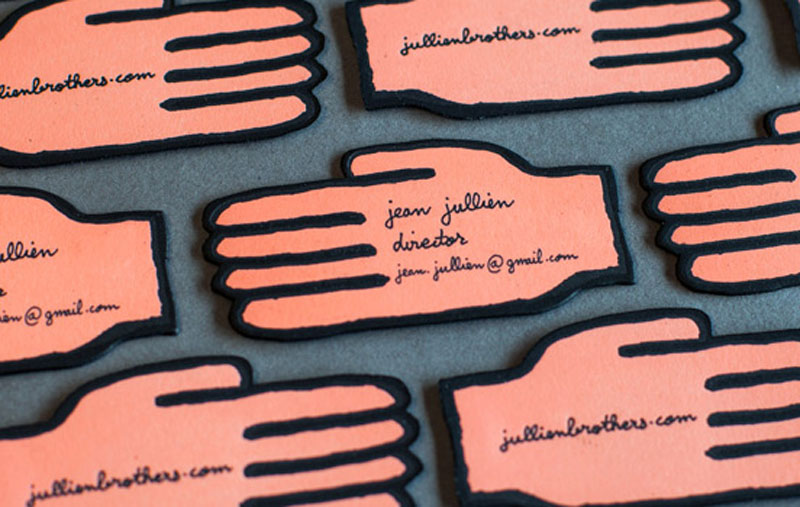
The card that gets kept is different. It is unexpected. It has a texture, a color, a shape that makes it stand out. It feels like something the recipient wants to hold onto.
The difference is not decoration. It is distinctiveness. A card that looks like every other card will be treated like every other card.
The Third Mistake: It Is Not Useful
A business card that is purely promotional is a burden. The recipient has to decide whether to keep it. Most decide to throw it away.
A business card that is useful is a gift. A card with a conversion chart, a tip list, a measurement guide, or a calendar is something the recipient wants to keep.
The recipient does not want your phone number. They want what your phone number can give them. Give them a taste of that value on the card itself.
The Fourth Mistake: It Is Not Connected
A business card is a physical object. The recipient is digital. If the card does not connect to the recipient’s digital life, it is a dead end.
A QR code that links to a video. A short URL that goes to a landing page. A social handle that is easy to remember and find. The card should be the starting point of a digital relationship, not the end point.
The recipient does not want to type your URL. They want to scan, click, or search. Make it easy.
The Fifth Mistake: It Is Not Personal
A generic business card treats the recipient as a stranger. A personalized card treats them as someone worth addressing.
A card with a handwritten note. A card with a specific offer for that person. A card that references the conversation you just had. The recipient is more likely to keep a card that feels like it was made for them.
The recipient does not want a generic card. They want evidence that you were paying attention.
What Actually Works
The business cards that survive are not the ones with the fanciest design. They are the ones that solve a problem for the recipient.
A useful card. A card that contains a tip list, a cheat sheet, a mini calendar, or a conversion chart. The recipient keeps it because it helps them.
A memorable card. A card with a unique texture, a distinctive shape, or an unexpected material. The recipient keeps it because it stands out.
A connected card. A card with a QR code, a short URL, or a social handle. The recipient keeps it because it leads somewhere.
A personal card. A card with a specific offer, a handwritten note, or a reference to the conversation. The recipient keeps it because it feels personal.
The Test
Before you print your next batch of business cards, ask yourself these questions.
- Would I keep this card? If you would not keep it, redesign it.
- Does it do something useful? If it just lists contact information, add utility.
- Is it memorable? If it looks like every other card, change it.
- Does it connect to a digital experience? If there is no QR code or short URL, add one.
- Is it personal? If it is generic, make it specific.
The Bottom Line
A business card is not a directory listing. It is a promise, a gift, and a connection. The card that fails is the card that only lists contact information. The card that succeeds is the card that gives the recipient a reason to keep it.
Design your card to be useful, memorable, connected, and personal. The recipient will not throw it away. They will keep it. And when they need what you offer, they will find you.
About the Author

Peter Makeshoff
Peter Makeshoff is the founder and main author of Designer Daily.